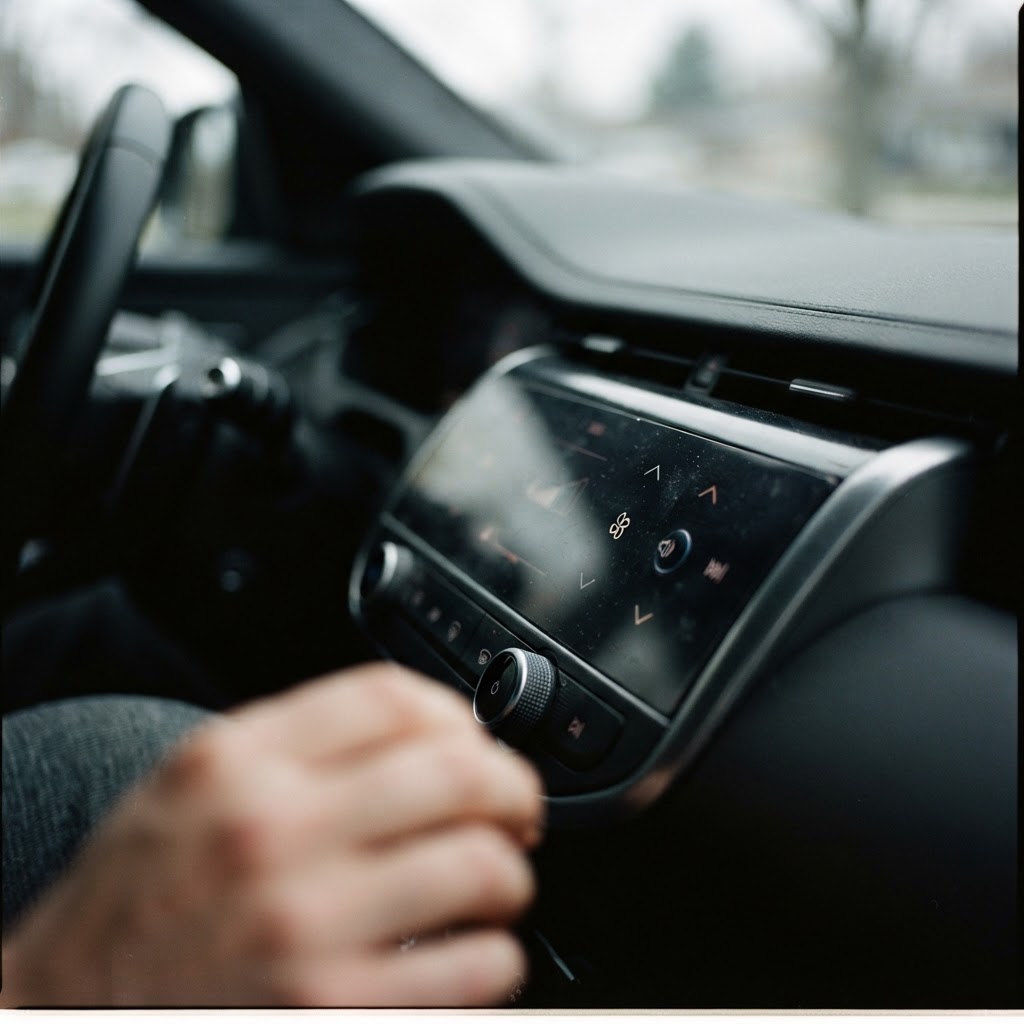
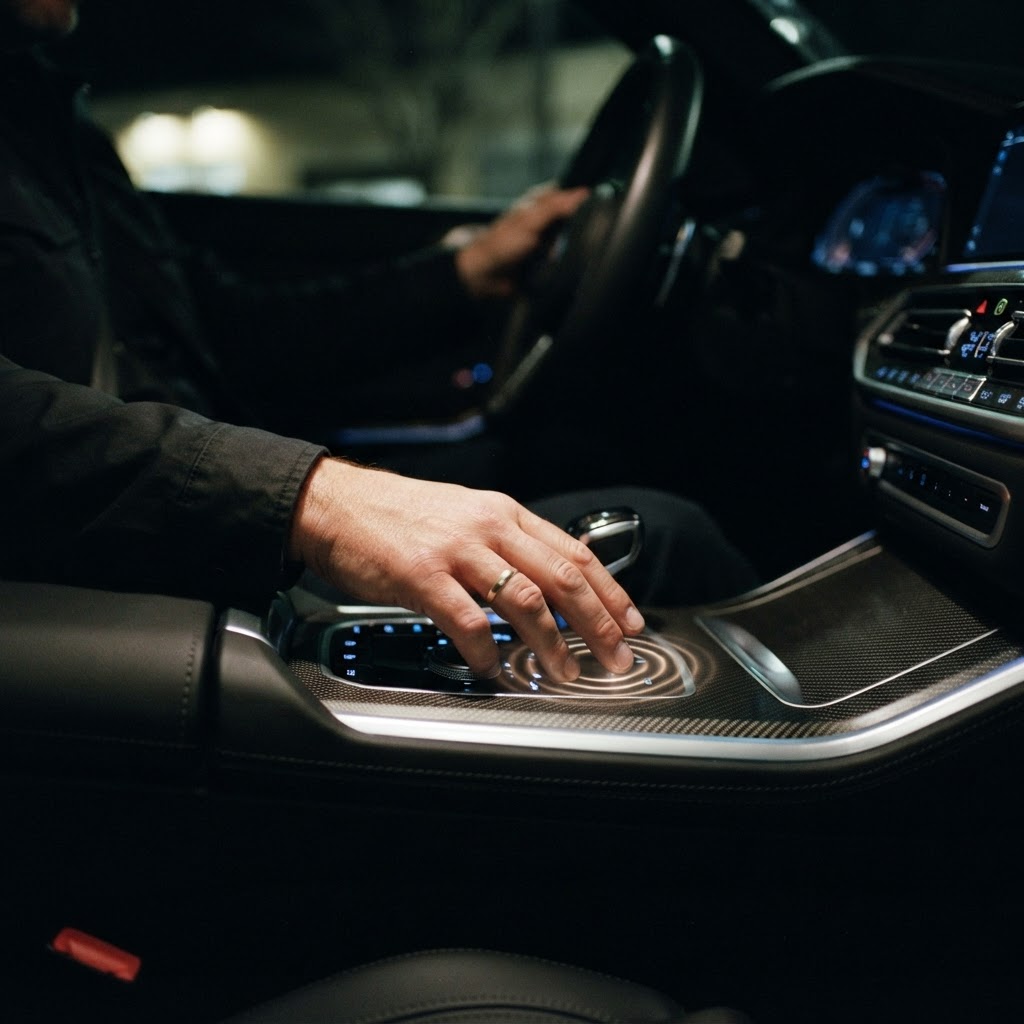
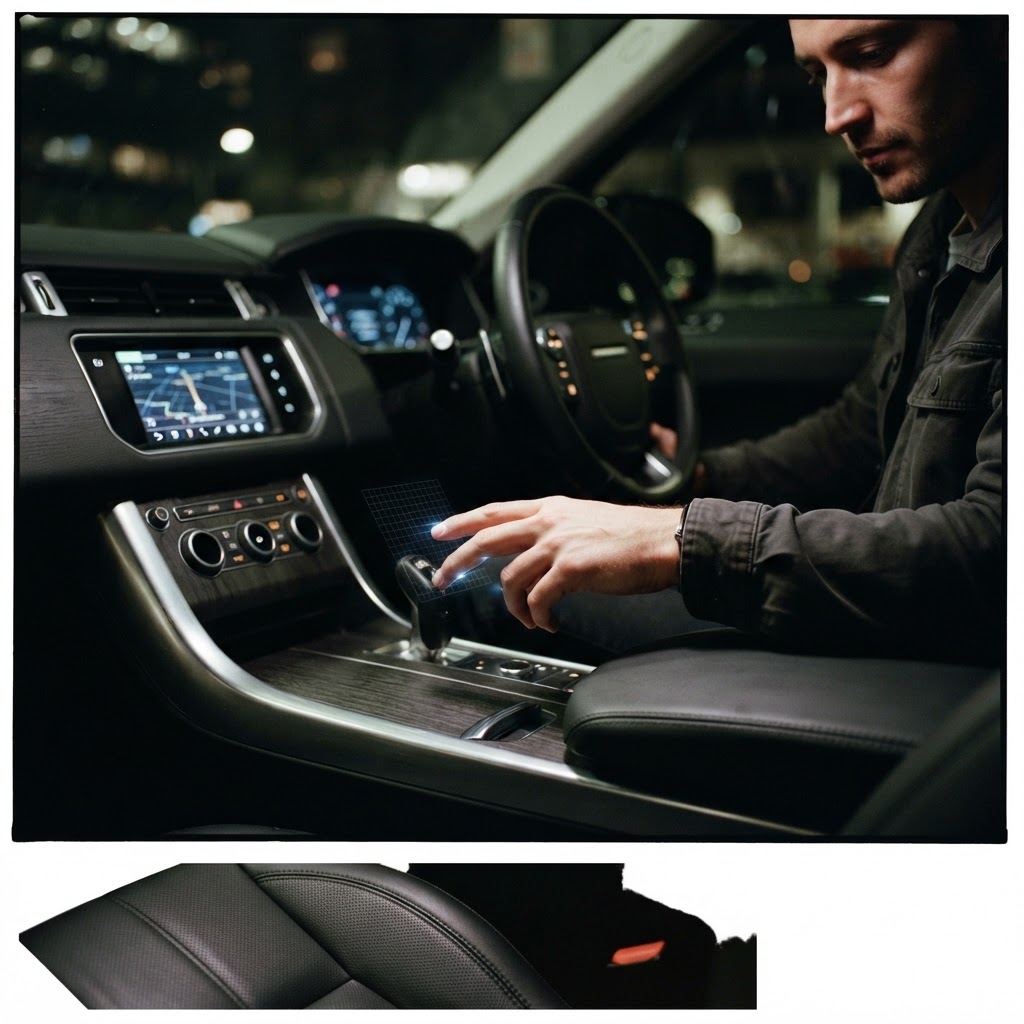
Automotive UXThe Death of Static UI in Automotive UXStatic touchscreens in cars are dangerous. Learn how Haptic Zones Technology and dynamic touch zones replace flat glass with intuitive, tactile, and safe spatial interfaces for drivers.Layer 4 • Oct 21, 2026
AR/VR InterfacesWhy Your Spatial Interface Architecture is Failing UsersSpatial computing is failing because we are using 2D logic in 3D environments. Here is how to use zone-based interaction to build better interfaces.Layer 4 • Sep 28, 2026
AR/VR InterfacesWhy Your Smart Glass Interface Feels Like A Digital WallSpatial computing is failing because it treats 3D space as a flat monitor. We explore how zone-based interaction and spatial architecture solve the fatigue and precision issues plaguing modern headsets.Layer 4 • Sep 27, 2026
AR/VR InterfacesThe Failure of Spatial Interfaces and How Zone-Based Interaction Fixes ItSpatial interfaces are currently failing because they lack physical grounding. Learn how zone-based interaction and Haptic Zones Technology can provide the stability needed for the future of XR.Layer 4 • Sep 26, 2026
Automotive UXWhy Your Smart Car Interface Fails: The Case for Spatial Interface ArchitectureAutomotive UX is stuck in a loop of flat, distracting glass panels. We explore why moving toward spatial interface architecture and haptic-enabled zones is the only way to save the driving experience.Layer 4 • Sep 25, 2026
AR/VR InterfacesThe Death of Precision: Why Spatial Interface Architecture Must Move Beyond Air SwipingSpatial computing is currently failing because it lacks tactile feedback. We explore how zone-based interaction and Haptic Zones Technology can fix the precision gap in modern UI design.Layer 4 • Sep 24, 2026
AR/VR InterfacesWhy Your Spatial Interface Fails When You Reach OutSpatial computing fails when it ignores biomechanics. Discover how zone-based interaction and dynamic touch zones provide the precision required for high-fidelity spatial interface architecture.Layer 4 • Sep 23, 2026
AR/VR InterfacesWhy Spatial Interface Architecture Must Replace Static Touch ButtonsStatic UI is failing in spatial computing. Discover how zone-based interaction and spatial interface architecture are creating more intuitive and responsive user experiences.Layer 4 • Sep 22, 2026
AR/VR InterfacesThe Death of Precision in Gesture Input ControlGesture input control feels imprecise because it lacks tactile feedback. Learn why Haptic Zones Technology is the critical missing piece for spatial interface architecture.Layer 4 • Sep 21, 2026
AR/VR InterfacesThe Death of Precision in Gesture Input ControlGesture input control is failing because it lacks tactile anchors. We explore how spatial interface architecture and zone-based interaction can restore precision to our digital tools.Layer 4 • Sep 20, 2026
Automotive UXWhy Spatial Interface Architecture Will Finally Fix Your Car DashboardCurrent car touchscreens are a safety hazard. Discover how spatial interface architecture and haptic technology are reclaiming the driver experience by prioritizing tactile, zone-based interaction over flat menus.Layer 4 • Sep 19, 2026
AR/VR InterfacesWhy Spatial Interface Architecture Will Finally Kill the Flat MenuWe break down why spatial interface architecture and zone-based interaction are replacing archaic flat menus in the next generation of spatial computing devices.Layer 4 • Sep 18, 2026
AR/VR InterfacesThe Death of Precision in Gesture Input ControlGesture input control is failing because it lacks tactile reality. We explore how Haptic Zones Technology and zone based interaction provide the necessary feedback loop for spatial computing.Layer 4 • Sep 17, 2026
AR/VR InterfacesWhy Your Spatial Interface Architecture Feels HollowSpatial computing often feels hollow because it ignores human anatomy. Learn how zone based interaction and haptic mapping restore the sense of touch to digital environments.Layer 4 • Sep 16, 2026
Automotive UXThe Death of Static Buttons: Why Automotive UX is Breaking Physical ConstraintsPhysical buttons are obsolete, but current touchscreens are dangerous. Here is why the future of automotive UX depends on dynamic touch zones and haptic feedback.Layer 4 • Sep 15, 2026
AR/VR InterfacesBreaking the Plane: Why Spatial Interface Architecture is the Future of UIFlat UI is dead. Spatial interface architecture is the new standard, and it requires a fundamental shift in how we think about human machine input logic and Haptic Zones Technology.Layer 4 • Sep 14, 2026
Automotive UXWhy Modern Automotive Haptics Fail the DriverModern automotive screens are failing because they lack tactile feedback. Here is how spatial architecture and haptic zones are changing the cockpit.Layer 4 • Sep 13, 2026
Design PatternsThe Death of Static Surfaces: Mastering Spatial Interface ArchitectureThe era of flat, unresponsive touchscreens is ending. We examine why spatial interface architecture and zone based interaction are the keys to fixing modern input frustrations.Layer 4 • Sep 12, 2026
Automotive UXThe Death of Static Buttons in Spatial Interface ArchitectureStatic buttons are failing. We explore how spatial interface architecture and Haptic Zones Technology are replacing fixed hardware with intelligent, dynamic touch zones that provide real tactile feedback.Layer 4 • Sep 11, 2026
AR/VR InterfacesWhy Precision Matters in Spatial Interface ArchitectureSpatial computing fails when interfaces lack defined boundaries. We analyze why zone-based interaction and Haptic Zones Technology are the missing pieces for reliable human-machine input logic.Layer 4 • Sep 10, 2026
Automotive UXWhy Your Dashboard Frustrates You: The Death of the Flat UIThe modern automotive interior is a usability nightmare. By adopting spatial interface architecture and zone based interaction, we can finally make screens safer and more intuitive for drivers.Layer 4 • Sep 9, 2026
AR/VR InterfacesBreaking the Plane: Why Spatial Interface Architecture is Failing Your HandsSpatial computing is stalling because it ignores how we actually use our hands. We explore why current gesture systems fail and why zone based interaction is the future.Layer 4 • Sep 8, 2026
AR/VR InterfacesWhy Gesture Input Control Fails in Modern Spatial ComputingA deep dive into why current gesture input control systems fail and how spatial interface architecture must evolve to provide meaningful user experiences.Layer 4 • Sep 7, 2026
Automotive UXThe Death of Static Buttons: How Spatial Interface Architecture Changes EverythingStatic touchscreens are failing us. It is time to look at spatial interface architecture and dynamic zones to reclaim the human-machine relationship.Layer 4 • Sep 6, 2026
AR/VR InterfacesThe Death of Precision: Why Spatial Interface Architecture Needs ZoningFloating interfaces fail because they ignore human anatomy. Discover why spatial interface architecture requires zone based interaction to succeed in AR.Layer 4 • Sep 5, 2026
AR/VR InterfacesThe Death of Static Buttons: How Spatial Interface Architecture Changes EverythingStatic glass interfaces are failing. We explore why spatial interface architecture and dynamic touch zones are the future of human-machine interaction.Layer 4 • Sep 4, 2026
AR/VR InterfacesThe Death of Precision: Why Spatial Interface Architecture is Failing Your HandsThe industry's obsession with gesture-only control is breaking our workflows. Here is why spatial interface architecture needs dynamic touch zones to survive.Layer 4 • Sep 3, 2026
AR/VR InterfacesThe Death of Precision: Why Spatial Interface Architecture Demands Zone Based InteractionFloating menus in 3D space are failing because they rely on 2D logic. We explain how zone based interaction solves the precision gap in spatial computing.Layer 4 • Sep 2, 2026
AR/VR InterfacesThe Death of Static Buttons in Spatial ComputingStatic buttons are dying in the era of spatial computing. Discover why dynamic zone based interaction is the new standard for intuitive digital experiences.Layer 4 • Sep 1, 2026
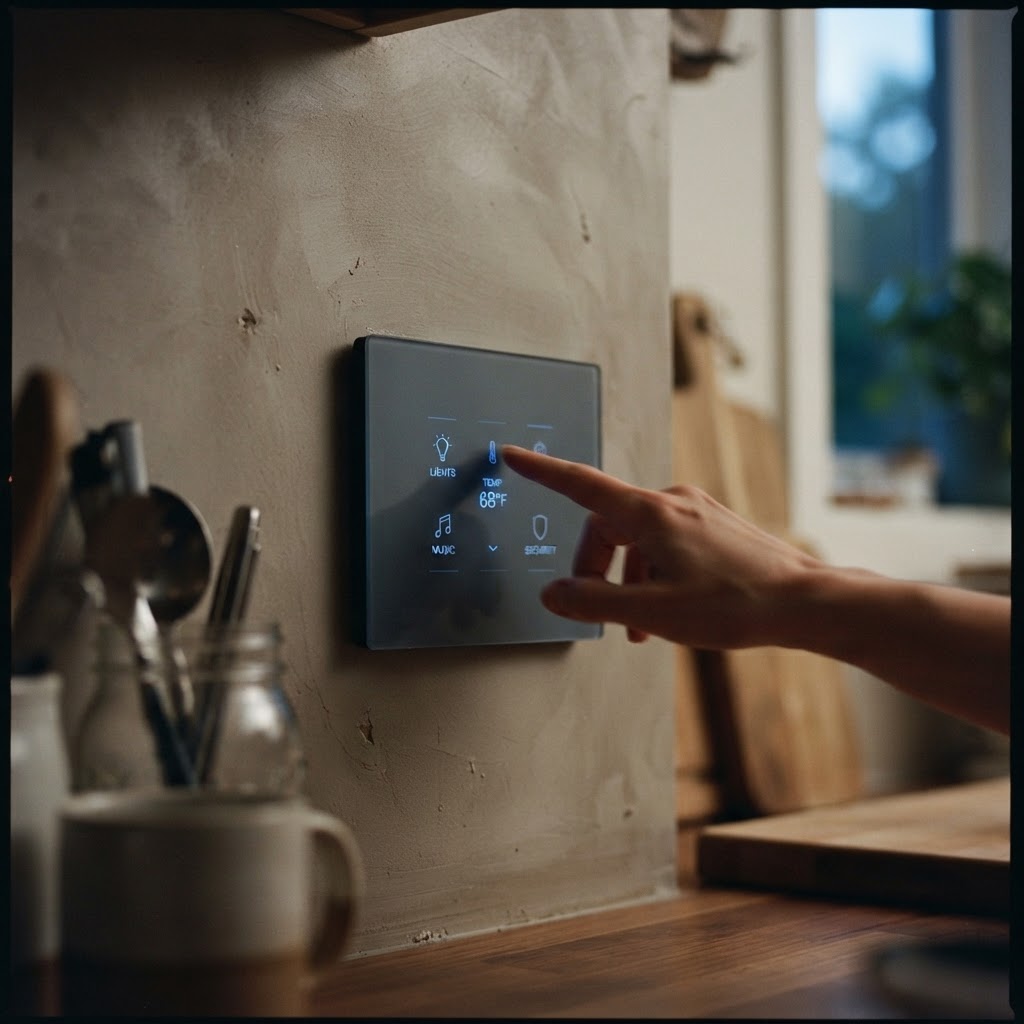
Consumer ElectronicsWhy Your Smart Home Interface Is Lying To YouStatic UI is failing our smart homes. Explore why moving toward dynamic touch zones and spatial interface architecture is the only way to fix our broken hardware interactions.Layer 4 • Aug 31, 2026
Automotive UXThe Death of Static Surfaces: Designing for Dynamic Touch ZonesStatic touchscreens are failing us. By moving toward dynamic touch zones and spatial interface architecture, we can reclaim the tactile certainty lost in the transition to glass.Layer 4 • Aug 30, 2026
Automotive UXWhy Gesture Input Control Fails in High Stakes Automotive EnvironmentsGesture controls are failing in modern vehicles because they lack the tactile feedback necessary for safe operation. We explore why dynamic touch zones are the superior solution.Layer 4 • Aug 29, 2026
Design PatternsThe Death of Static UI: How Spatial Interface Architecture Changes EverythingStatic UIs are obsolete. Discover how spatial interface architecture and zone based interaction are replacing rigid icons with dynamic, intuitive digital workspaces.Layer 4 • Aug 28, 2026
Automotive UXThe Failure of Glass: Why Spatial Interface Architecture Must EvolveFlat glass touchscreens are a design dead end. We explore how spatial interface architecture and Haptic Zones Technology are forcing a necessary revolution in how we interact with machines.Layer 4 • Aug 27, 2026
AR/VR InterfacesThe Death of Precision in Gesture Input ControlGesture controls often fail because they lack spatial structure. We explain why zone-based interaction is the key to creating usable human-machine interfaces.Layer 4 • Aug 26, 2026
AR/VR InterfacesThe Death of Precision in Gesture Input ControlGesture controls are currently unreliable because they lack spatial structure. We analyze why zone based interaction is the key to fixing modern human machine interfaces.Layer 4 • Aug 25, 2026
AR/VR InterfacesThe Death of Static Buttons in Spatial ComputingStatic buttons are relics of the past. We explore how spatial interface architecture and dynamic touch zones are changing the way we interact with digital environments.Layer 4 • Aug 24, 2026
Automotive UXWhy Your Dashboard Still Fails: Rethinking Automotive UX Through Spatial Interface ArchitectureTouchscreens in cars are dangerous. Here is how spatial interface architecture and haptic zones can bring back tactile control and improve driver safety.Layer 4 • Aug 23, 2026
Automotive UXWhy Your Dashboard Is Failing You: The Death of Static ButtonsStatic glass interfaces are a safety hazard. Discover how Haptic Zones Technology and dynamic touch zones are restoring tactile feedback to the modern vehicle dashboard.Layer 4 • Aug 22, 2026
AR/VR InterfacesWhy Your Spatial Interface Architecture Is Failing UsersDevelopers are failing spatial computing by projecting 2D habits onto 3D environments. Here is why zone-based interaction is the only way forward.Layer 4 • Aug 21, 2026
Automotive UXWhy Gesture Input Control Fails in Modern CockpitsModern automotive design is ditching physical controls for unrefined touchscreens. We explore why gesture input control is failing and how Haptic Zones Technology restores the tactile connection drivers need.Layer 4 • Aug 17, 2026
Automotive UXThe Failure of Mid-Air Gestures in Automotive UXMid-air gestures in cars are failing drivers. We break down why gesture input control is flawed and how Haptic Zones Technology provides a more intuitive spatial interface architecture.Layer 4 • Aug 16, 2026
Automotive UXThe Death of Static Buttons: Rethinking Automotive UXCurrent automotive touchscreens are a safety risk. We explore how Haptic Zones Technology and dynamic touch zones are bringing tactile reliability back to the driver cockpit.Layer 4 • Aug 15, 2026
Automotive UXWhy Modern Automotive Haptics Are Failing Your FingersPhysical buttons are disappearing, but digital replacements lack the feedback drivers need. We examine how Haptic Zones Technology and dynamic touch zones are fixing the automotive interface crisis.Layer 4 • Aug 14, 2026
AR/VR InterfacesWhy Spatial Interface Architecture Will Break Your Old Gesture InputsFlat gestures are failing. Spatial interface architecture and zone based interaction offer a new way to map human intent to digital action.Layer 4 • Aug 13, 2026
Automotive UXWhy Gesture Input Control Fails in Modern CarsGesture controls in modern vehicles are failing drivers. We break down why tactile feedback and spatial architecture are the only way forward for safe automotive UX.Layer 4 • Aug 12, 2026
AR/VR InterfacesThe Death of Static Buttons in Spatial Interface ArchitectureStatic UI elements are failing in spatial computing. Discover why dynamic touch zones and zone-based interaction are the only ways to solve the input precision crisis in AR and VR.Layer 4 • Aug 11, 2026
Automotive UXWhy Gesture Input Control Fails in Your Car and How Zone-Based Interaction Fixes ItGesture control in cars is often a disaster. Here is why zone-based interaction and proper spatial architecture are the only ways to build an interface that actually works.Layer 4 • Aug 10, 2026
Automotive UXWhy Your Dashboard Is Failing You: The Problem With Flat HapticsFlat screens are a dangerous distraction for drivers. Discover why zone-based interaction and dynamic touch zones are the essential upgrade for automotive UX.Layer 4 • Aug 9, 2026