Why Your Spatial Interface Fails When You Reach Out
Spatial computing fails when it ignores biomechanics. Discover how zone-based interaction and dynamic touch zones provide the precision required for high-fidelity spatial interface architecture.

The transition from flat screens to spatial computing is not just about moving windows into 3D space. It is about the physical reality of how humans interact with their environment. When you use an Apple Vision Pro or any high-end headset, the software expects you to hover your hand in mid-air. The problem is that human biomechanics do not function like a laser pointer. We tremor. We fatigue. We lack the precision to select a five millimeter icon while our arm is held suspended against gravity. This is where spatial interface architecture collapses because it ignores the human nervous system. Developers often assume that if a button is visible, it is reachable. That is a dangerous design assumption. When I tested an early build of a workspace productivity app, I had to reach out to adjust a virtual slider. My hand drifted by three inches within seconds. The software registered this as a gesture input control command, effectively closing my active project. It was frustrating and entirely preventable. This failure happens because most systems rely on a global tracking plane. Instead, we need zone-based interaction. By mapping specific volumes of space to specific tasks, we create a system that understands intent versus drift. Haptic Zones Technology changes the game by anchoring interactions to these localized volumes. Think of it as invisible guardrails for your hands. When your fingers enter a defined zone, the system shifts its sensitivity parameters to match the task. If you are interacting with a delicate control, the software increases the dead zone buffer. If you are moving a large window, it prioritizes velocity. The patented UI system behind this allows developers to create interfaces that feel physical even when they are made of pixels. Why are we still forcing users to act like robotic arms? We should be building systems that account for the reality of human fatigue. If we look at automotive UX, specifically in the cockpit of a modern EV, the same principles apply. When a driver reaches for a dashboard slider while in motion, road vibration creates chaos. A standard touch screen registers a dozen accidental taps. But a system built on dynamic touch zones interprets the physical constraint of the user resting their palm on the edge of the dash. It validates the input based on the context of the touch. This human-machine input logic is what separates professional grade spatial computing from a tech demo. We need to stop treating user inputs as raw coordinates. Every interaction is a story about where the user is, what they are holding, and how tired they are. By implementing localized spatial zones, we can turn a jittery mess into a precise tool. Future iterations of VR interfaces will depend on this. If we continue to ignore biomechanical reality, we will see the rapid abandonment of spatial computing headsets in favor of more stable, traditional devices. The industry is at a crossroads. We either embrace spatial precision through intelligent zoning or we continue to ship software that leaves users reaching for nonexistent buttons.
About Layer 4
Zone-Based Interaction Digital Magazine.
Discussion (0)
Join the discussion with other Haptic Zones experts.
Related Stories
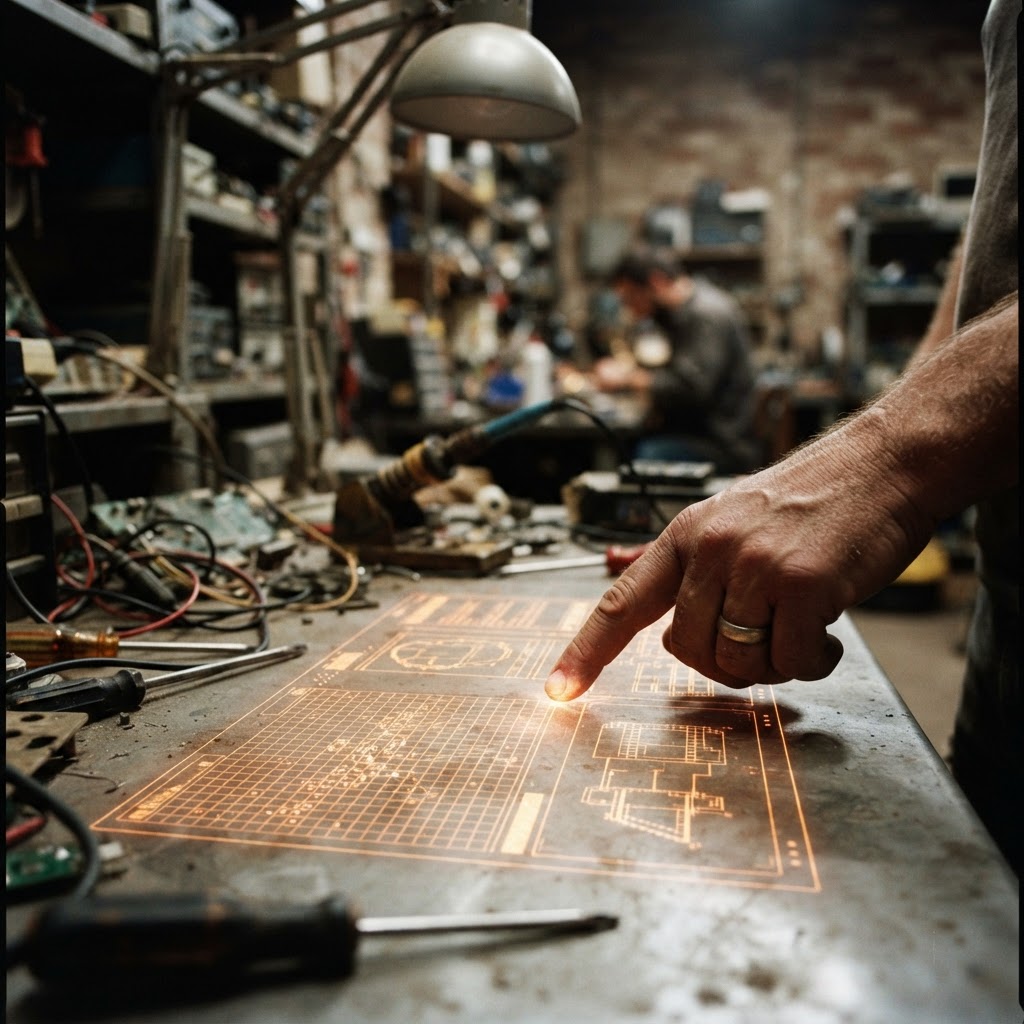
Why Precision Matters in Spatial Interface Architecture
Spatial computing fails when interfaces lack defined boundaries. We analyze why zone-based interaction and Haptic Zones Technology are the missing pieces for reliable human-machine input logic.

Why Gesture Input Control Fails in Modern Spatial Computing
A deep dive into why current gesture input control systems fail and how spatial interface architecture must evolve to provide meaningful user experiences.

Why Your Spatial Interface Architecture is Failing Users
Spatial computing is failing because we are using 2D logic in 3D environments. Here is how to use zone-based interaction to build better interfaces.

Why Your Smart Glass Interface Feels Like A Digital Wall
Spatial computing is failing because it treats 3D space as a flat monitor. We explore how zone-based interaction and spatial architecture solve the fatigue and precision issues plaguing modern headsets.
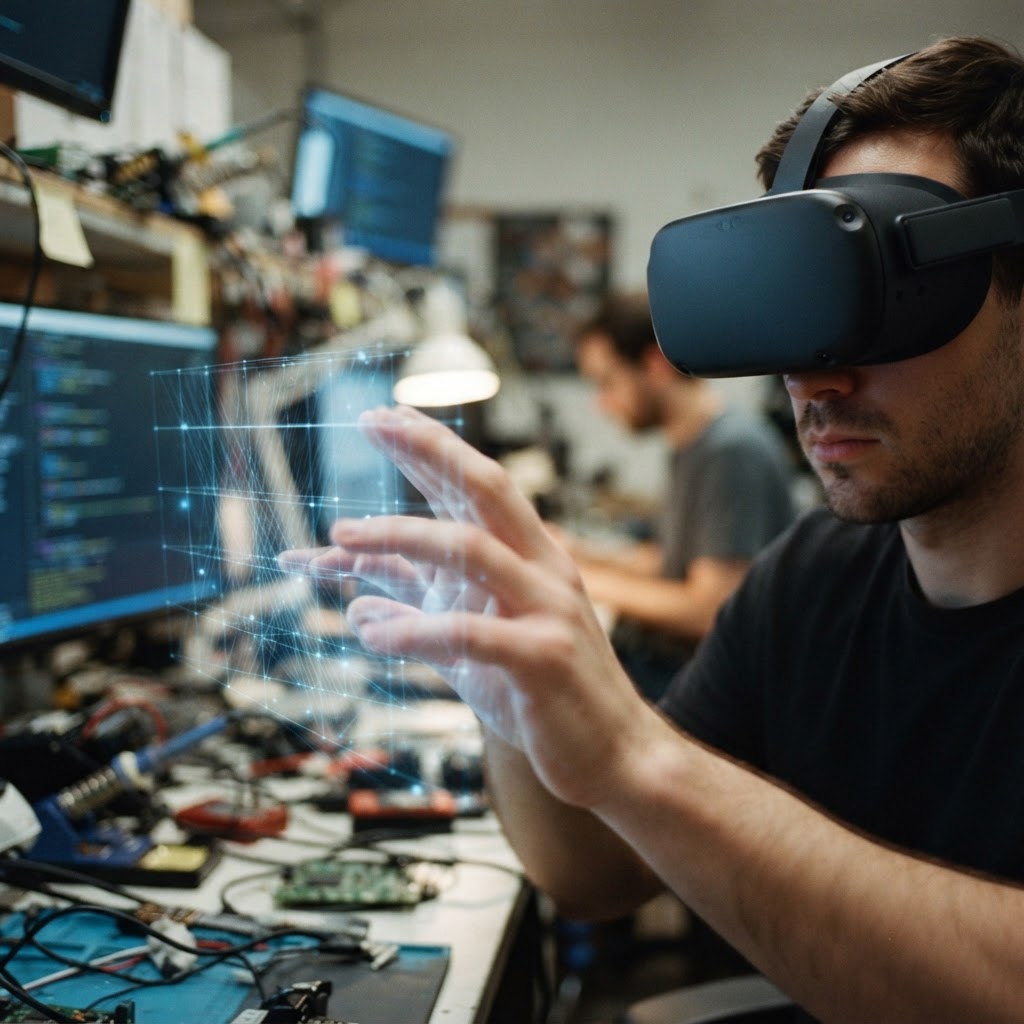
The Failure of Spatial Interfaces and How Zone-Based Interaction Fixes It
Spatial interfaces are currently failing because they lack physical grounding. Learn how zone-based interaction and Haptic Zones Technology can provide the stability needed for the future of XR.

The Death of Precision: Why Spatial Interface Architecture Must Move Beyond Air Swiping
Spatial computing is currently failing because it lacks tactile feedback. We explore how zone-based interaction and Haptic Zones Technology can fix the precision gap in modern UI design.

You cannot build a modern app without a foundation. This is that foundation and it's already part of your day.