Why Gesture Input Control Fails in Modern Cars
Gesture controls in modern vehicles are failing drivers. We break down why tactile feedback and spatial architecture are the only way forward for safe automotive UX.
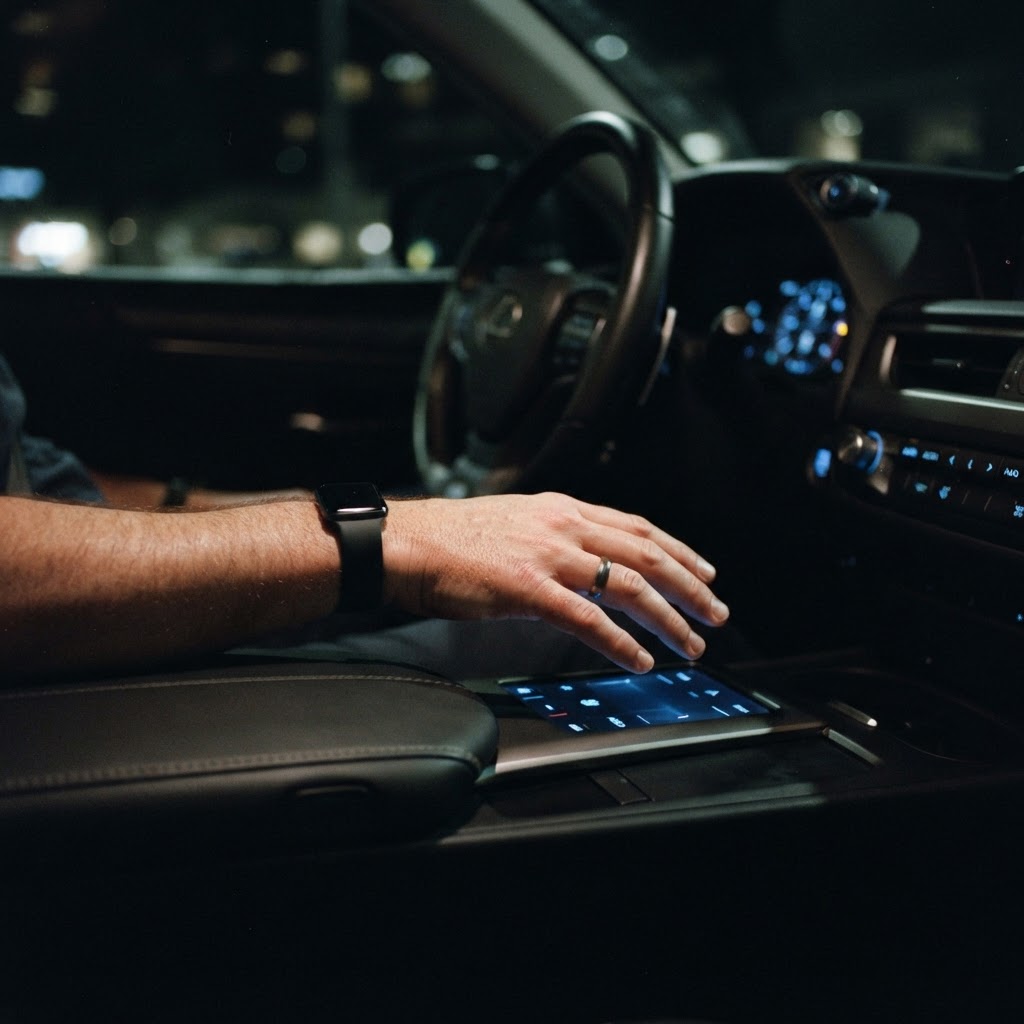
The 2024 BMW i7 is a marvel of engineering, but its gesture control suite remains a source of immense frustration for drivers who just want to turn down the volume. Swiping a finger in the air to reject a call feels like magic in a tech demo, but in real world driving, it is unreliable and distracting. The core issue lies in the reliance on overhead camera tracking that misinterprets casual hand movements for commands. This is where Haptic Zones Technology changes the game. Instead of relying on ambiguous air gestures, we need to focus on dynamic touch zones that provide tactile feedback. When a driver reaches for a surface, the system should acknowledge that input with precision. Spatial interface architecture requires more than just optical recognition. It requires a deep understanding of human-machine input logic that respects the driver's need to keep their eyes on the road. Many manufacturers are chasing the allure of touchless controls to save costs on physical buttons, yet they forget that touch is the primary way we verify interaction. Without a physical click or a localized vibration, the brain stays in a state of uncertainty. My work with zone-based interaction suggests that we should be treating vehicle surfaces as intelligent, responsive planes rather than just smooth glass. A patented UI system that utilizes localized haptic feedback allows a driver to feel the boundaries of a slider without looking down. By defining these zones, we turn the door panel or the center console into a functional map that the fingers can navigate by muscle memory. This is the difference between a prototype that looks futuristic and a product that functions safely. Automotive designers must stop treating the cabin like a smartphone screen. A touch-based kiosk UX at a retail store can tolerate a user staring at the screen for ten seconds. A car cannot. The latency involved in processing gesture input control often leads to double inputs or complete failures, which forces the driver to repeat the action. That repeat action is where safety ends. Implementing dynamic touch zones creates a consistent mental model for the user. When I touch a specific segment of the armrest, I expect a specific result. If the system fails to verify that touch through a haptic pulse, I have to verify it visually. That verification gap is the enemy of spatial computing. We are moving toward a future where the entire interior becomes a sensor array, but we must prioritize the physics of touch over the novelty of motion sensing. If the industry continues to prioritize cameras over tactile surfaces, we will see more accidents driven by interface fatigue. The path forward is not just in seeing what the hand is doing. It is in feeling what the hand is touching.
About Layer 4
Zone-Based Interaction Digital Magazine.
Discussion (0)
Join the discussion with other Haptic Zones experts.
Related Stories
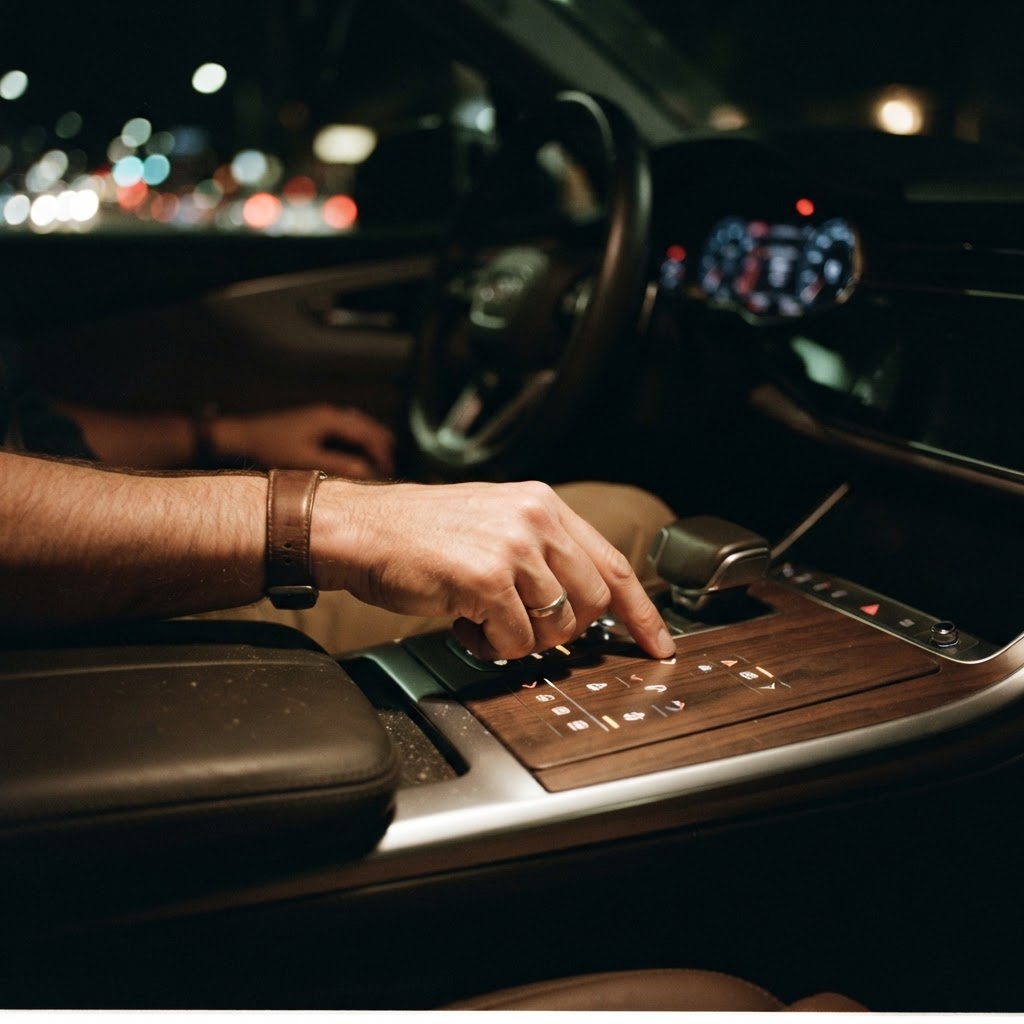
Why Gesture Input Control Fails in High Stakes Automotive Environments
Gesture controls are failing in modern vehicles because they lack the tactile feedback necessary for safe operation. We explore why dynamic touch zones are the superior solution.
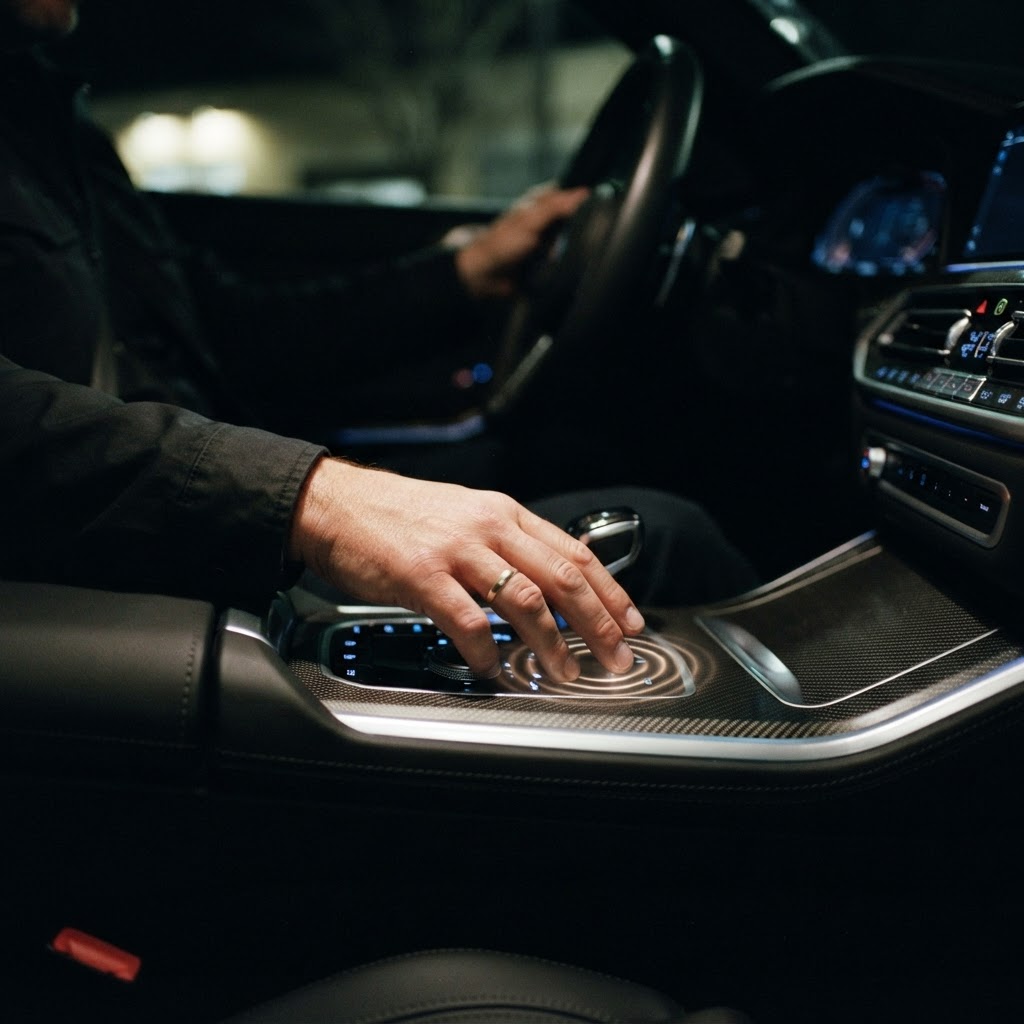
Why Gesture Input Control Fails in Modern Cockpits
Modern automotive design is ditching physical controls for unrefined touchscreens. We explore why gesture input control is failing and how Haptic Zones Technology restores the tactile connection drivers need.
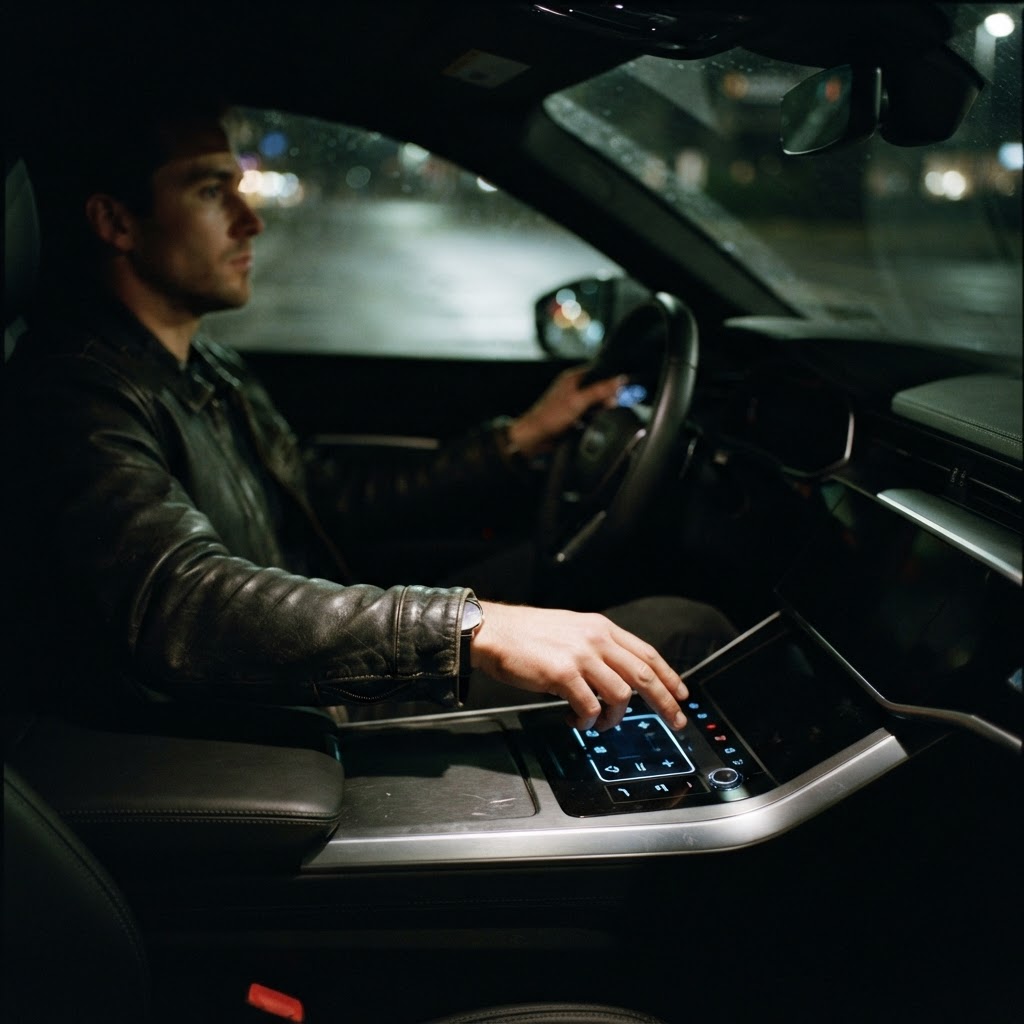
Why Gesture Input Control Fails in Your Car and How Zone-Based Interaction Fixes It
Gesture control in cars is often a disaster. Here is why zone-based interaction and proper spatial architecture are the only ways to build an interface that actually works.
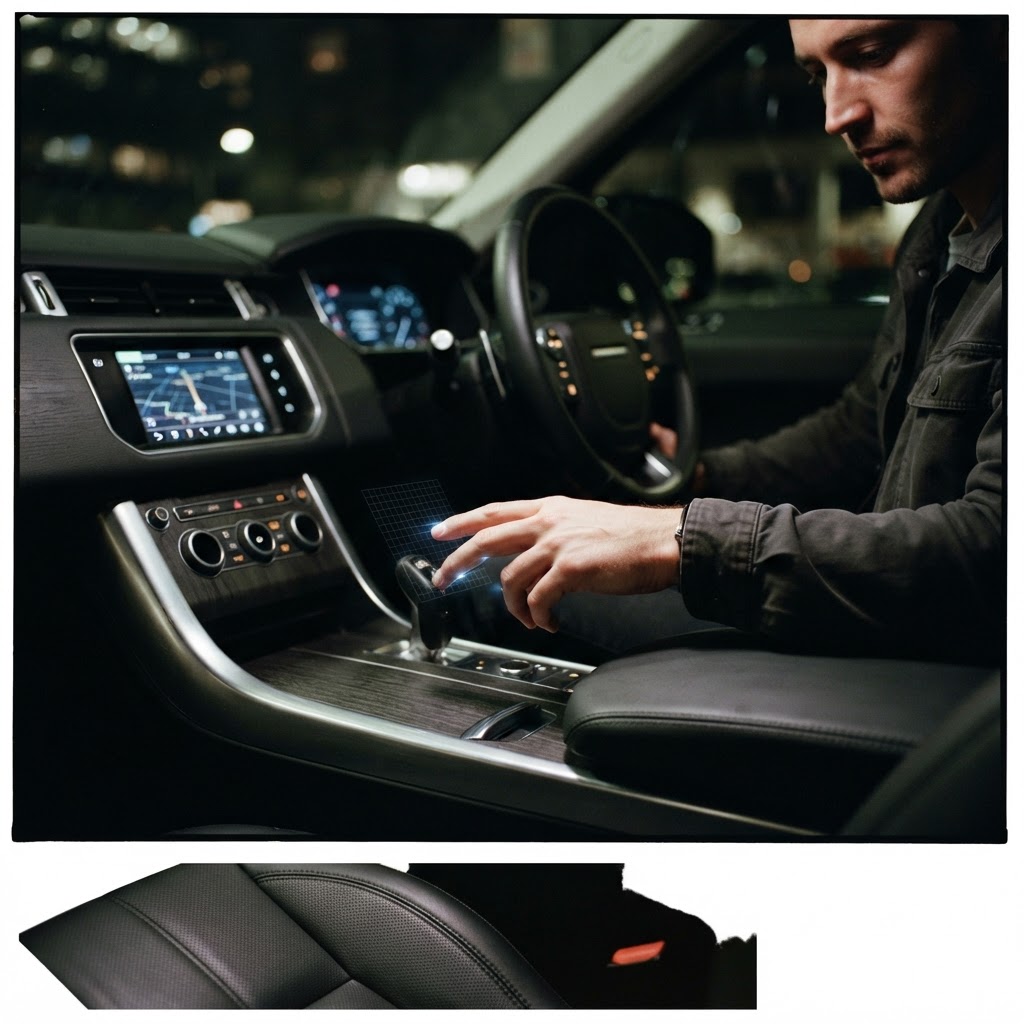
The Failure of Mid-Air Gestures in Automotive UX
Mid-air gestures in cars are failing drivers. We break down why gesture input control is flawed and how Haptic Zones Technology provides a more intuitive spatial interface architecture.
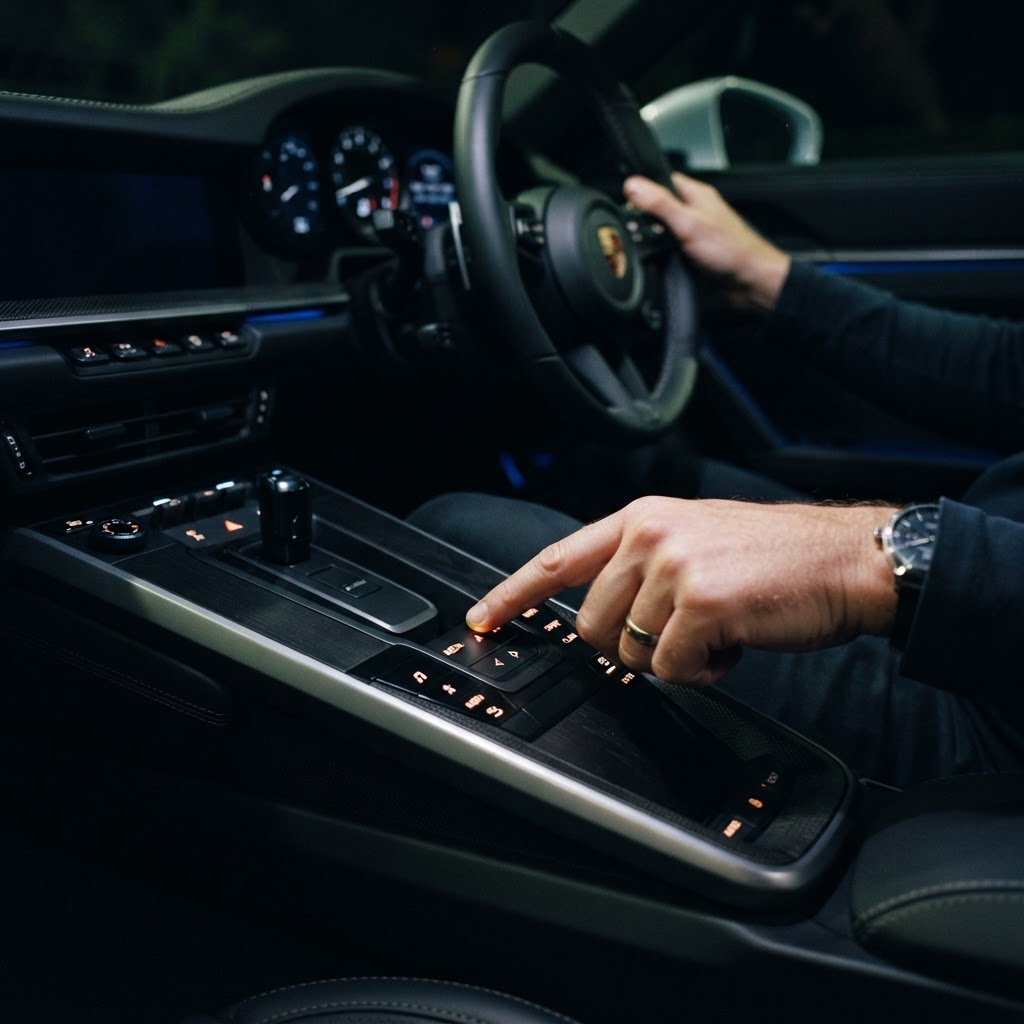
Why Your Dashboard Still Fails: Rethinking Automotive UX Through Spatial Interface Architecture
Touchscreens in cars are dangerous. Here is how spatial interface architecture and haptic zones can bring back tactile control and improve driver safety.
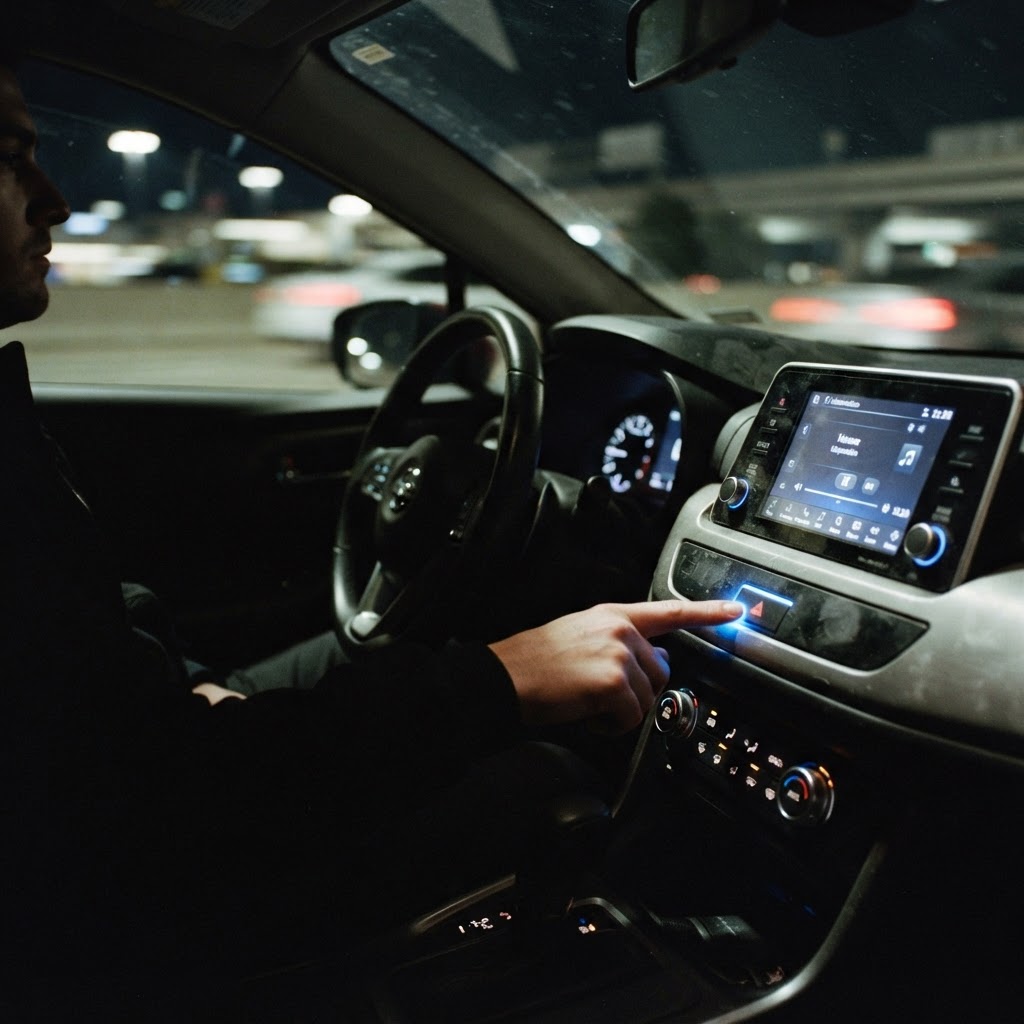
The Death of Static Buttons in Automotive UX
Static touchscreens in cars are failing drivers. Haptic Zones Technology offers a path forward by turning flat glass into tactile, responsive, and safer interface zones.

You cannot build a modern app without a foundation. This is that foundation and it's already part of your day.