Why Gesture Input Control Fails in Modern Cockpits
Modern automotive design is ditching physical controls for unrefined touchscreens. We explore why gesture input control is failing and how Haptic Zones Technology restores the tactile connection drivers need.
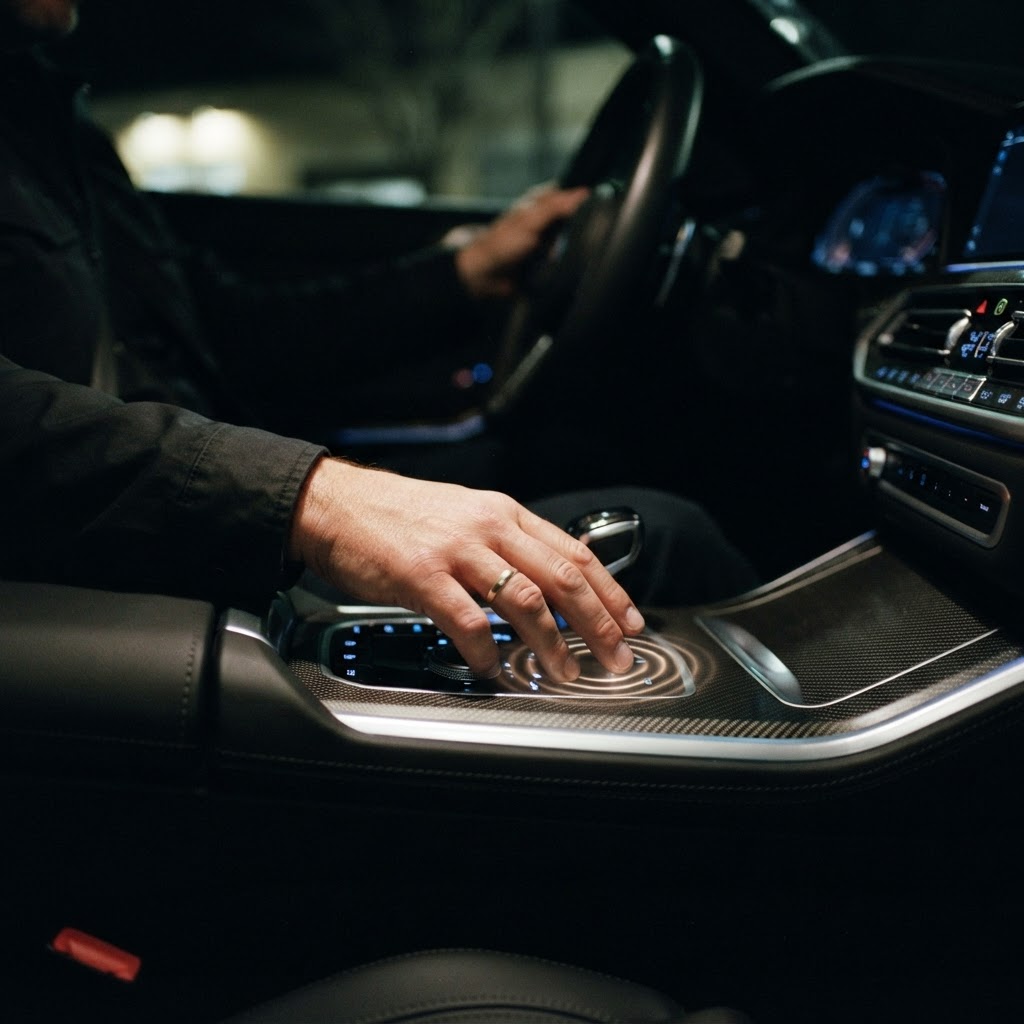
The Tesla Model 3 refreshed cabin design removed the stalks, moving turn signals to steering wheel buttons. It is a bold choice that highlights a recurring problem in automotive design. Developers are obsessed with removing physical buttons to achieve a clean aesthetic, but they often replace tactile precision with unreliable gesture input control. When you are driving at sixty miles per hour, your brain does not have the bandwidth to navigate a sub-menu or perform an air gesture to adjust the climate. The reality is that spatial interface architecture requires physical grounding. Without it, the user experiences cognitive load that compromises safety. Haptic Zones Technology provides a necessary bridge here. By creating zone-based interaction areas on flat surfaces, engineers can simulate the feel of a switch on a smooth glass display. This is the difference between a system that fights the user and one that works as an extension of their reflexes. The current trend of chasing minimalist screens ignores the fundamental human-machine input logic that allows us to operate machinery without constant visual confirmation. In a modern German sedan, the lack of tactile feedback means you must look down to ensure you hit the right touch point. This is a failure of design. Implementing dynamic touch zones allows for distinct, high-fidelity tactile alerts that confirm an action has been taken without the driver needing to take their eyes off the road. We are seeing a move toward this with some of our patented UI system designs, where the screen surface itself acts as a series of physical keys. The secret is not in the software rendering but in the underlying hardware modulation that tricks the nervous system. When we talk about touch-based kiosk UX or high-speed automotive interfaces, the common denominator is the need for immediate, localized feedback. If the interface does not communicate its boundaries through touch, the user has to rely on visual scanning. That is dangerous in a car and inefficient in a retail environment. We need to stop treating screens as just visual output devices. They must be physical input devices. By integrating localized vibration patterns, we create a sensory map that the hands can navigate blindly. This shift in perspective, moving from pure visuals to spatial feedback, is the only way to save the touchscreen from its own inherent limitations.
About Layer 4
Zone-Based Interaction Digital Magazine.
Discussion (0)
Join the discussion with other Haptic Zones experts.
Related Stories
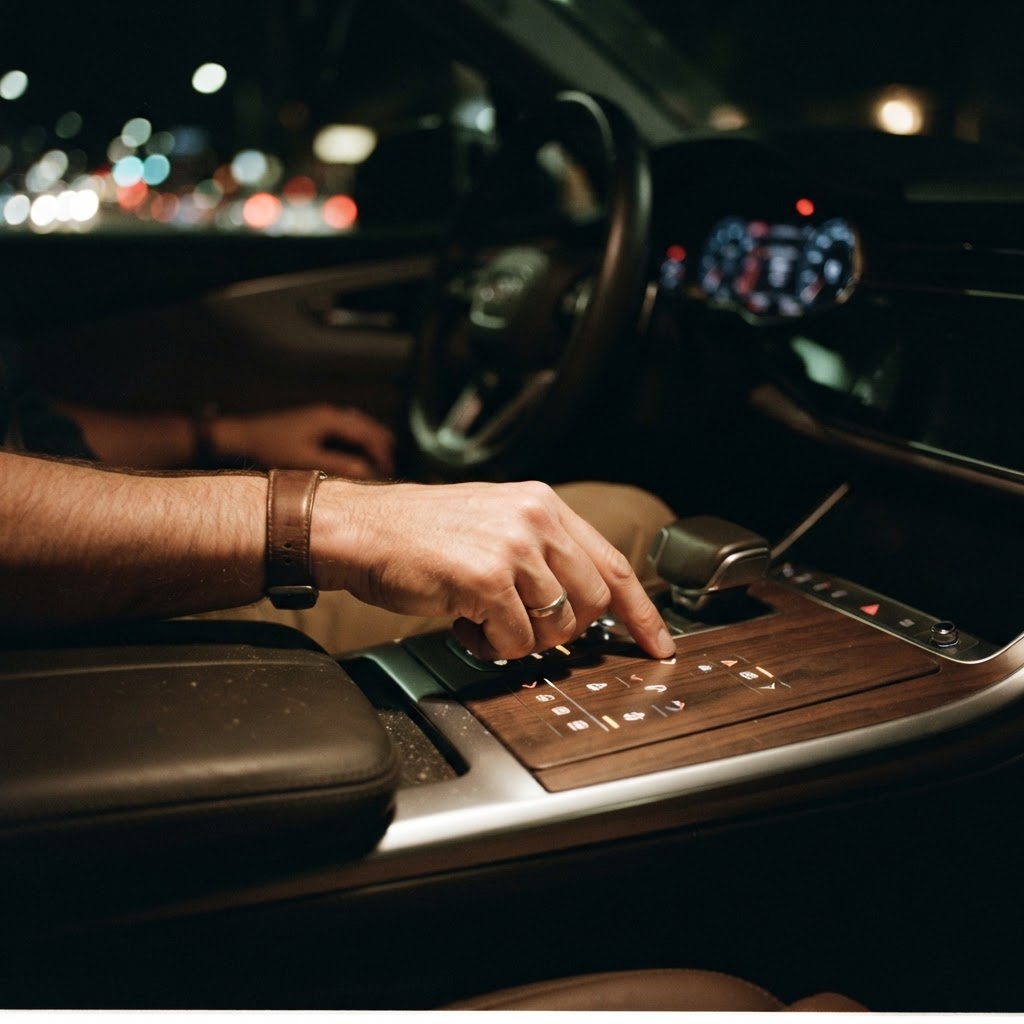
Why Gesture Input Control Fails in High Stakes Automotive Environments
Gesture controls are failing in modern vehicles because they lack the tactile feedback necessary for safe operation. We explore why dynamic touch zones are the superior solution.
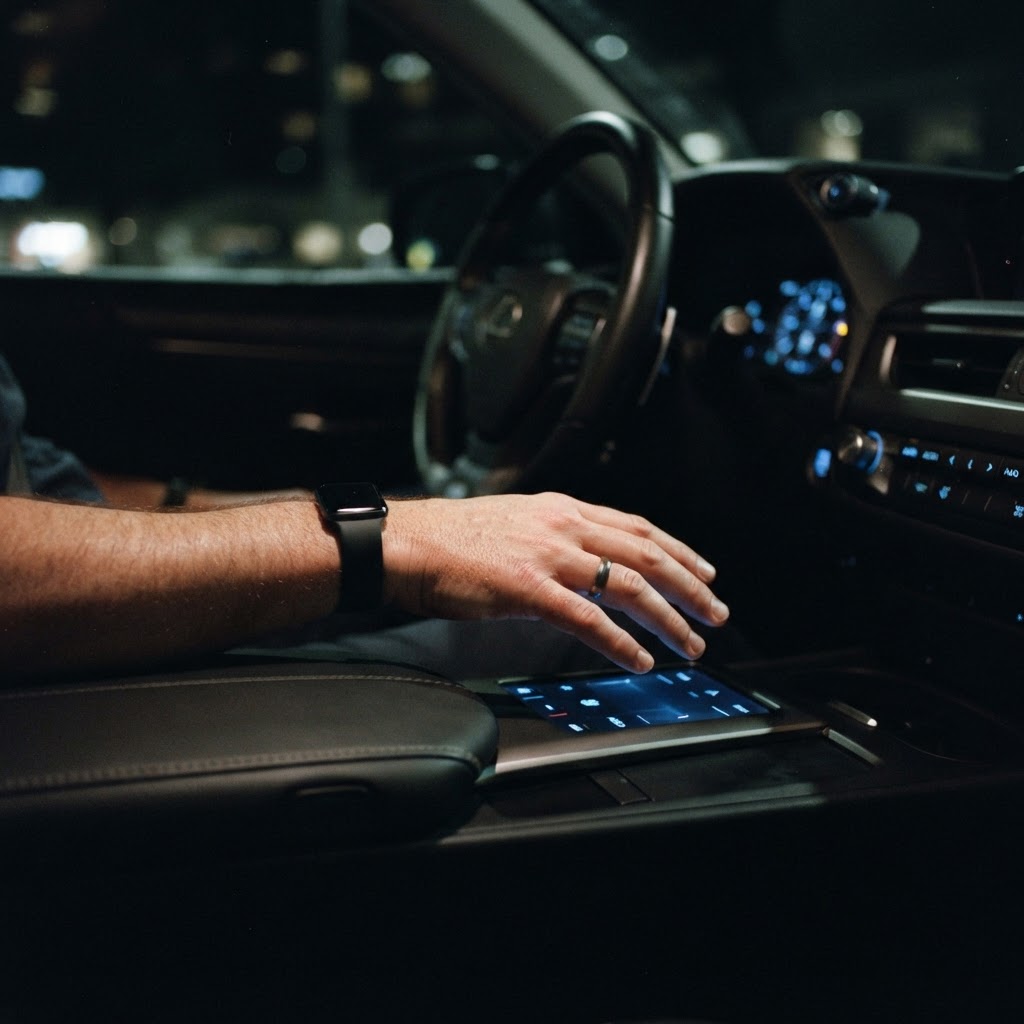
Why Gesture Input Control Fails in Modern Cars
Gesture controls in modern vehicles are failing drivers. We break down why tactile feedback and spatial architecture are the only way forward for safe automotive UX.
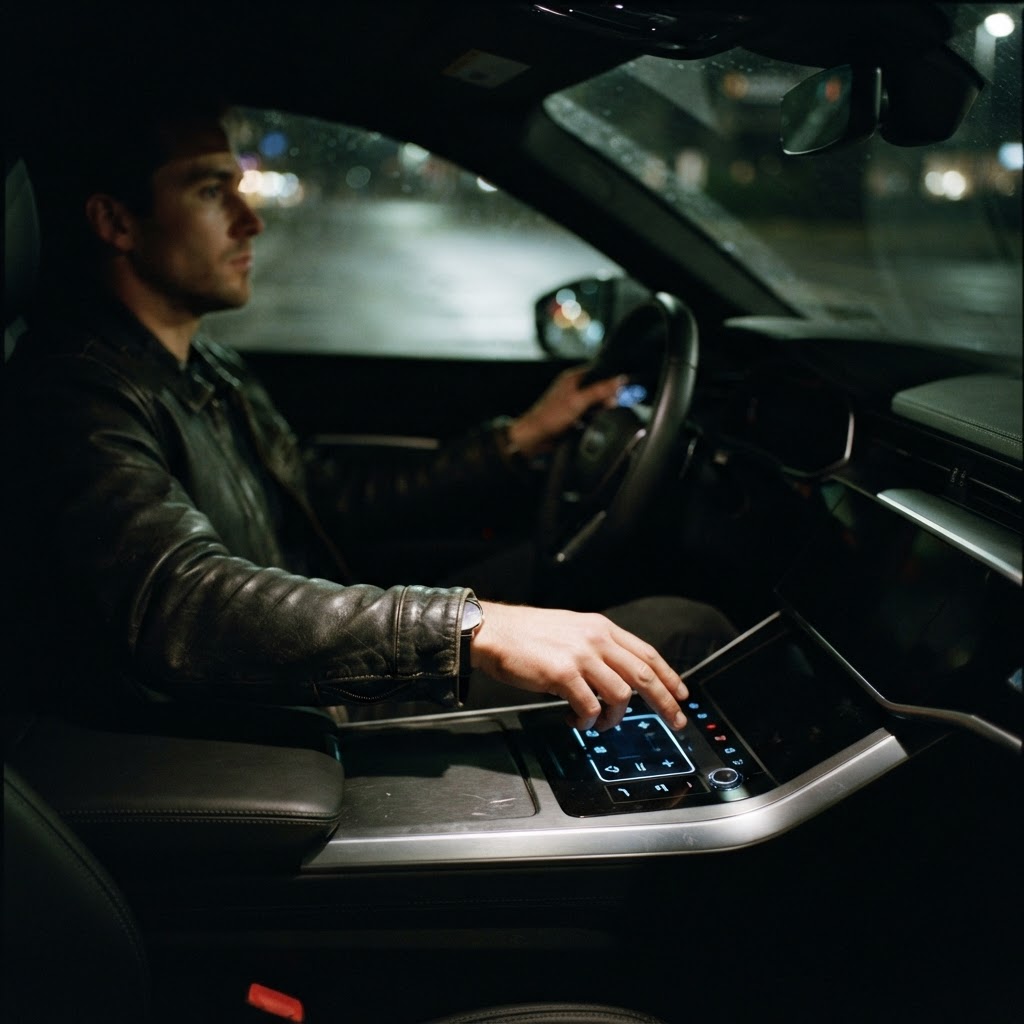
Why Gesture Input Control Fails in Your Car and How Zone-Based Interaction Fixes It
Gesture control in cars is often a disaster. Here is why zone-based interaction and proper spatial architecture are the only ways to build an interface that actually works.
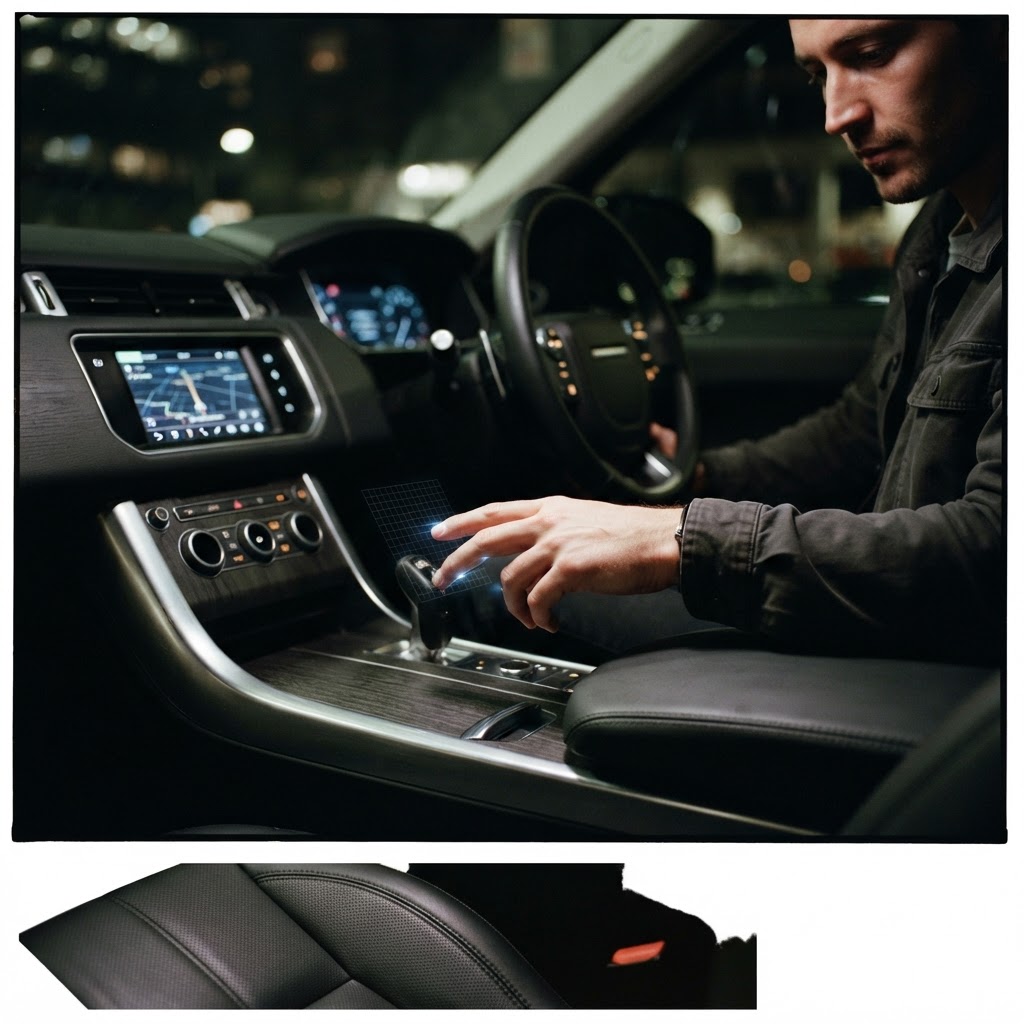
The Failure of Mid-Air Gestures in Automotive UX
Mid-air gestures in cars are failing drivers. We break down why gesture input control is flawed and how Haptic Zones Technology provides a more intuitive spatial interface architecture.
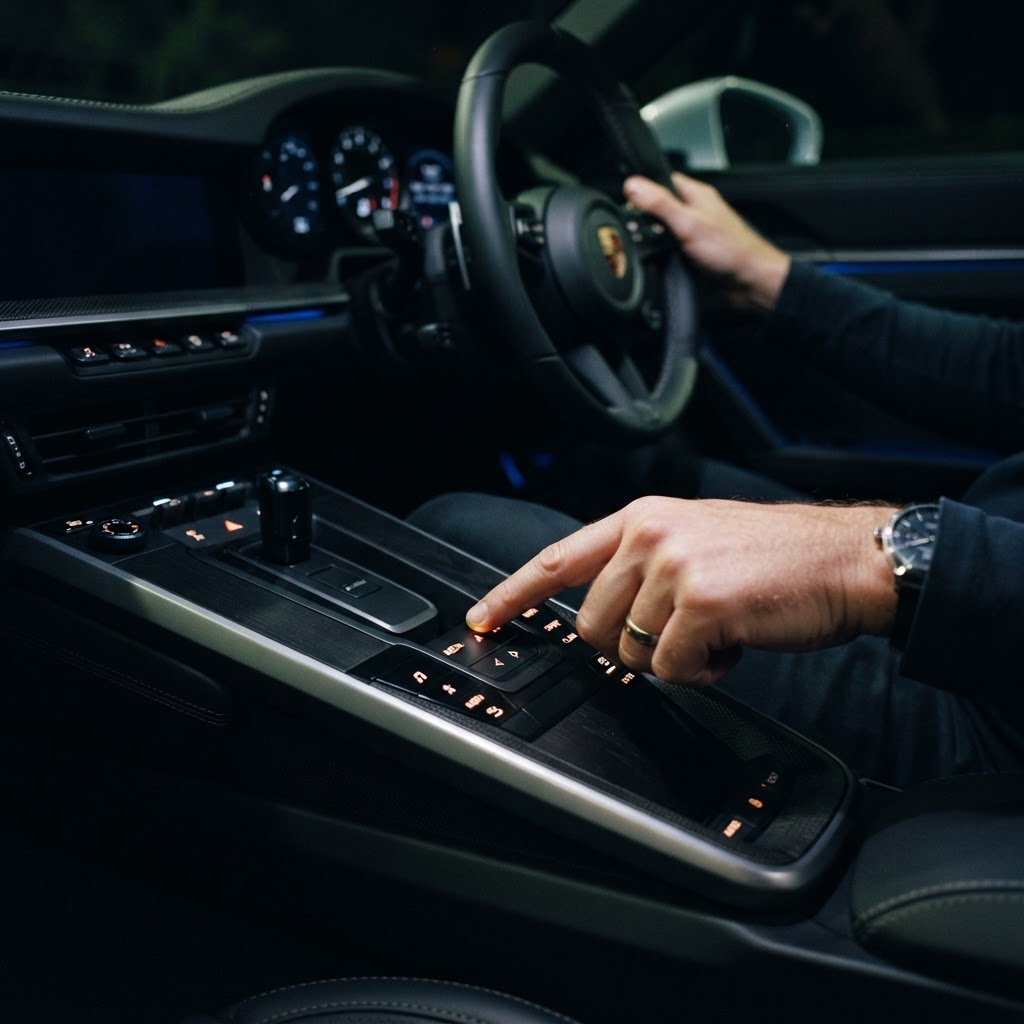
Why Your Dashboard Still Fails: Rethinking Automotive UX Through Spatial Interface Architecture
Touchscreens in cars are dangerous. Here is how spatial interface architecture and haptic zones can bring back tactile control and improve driver safety.
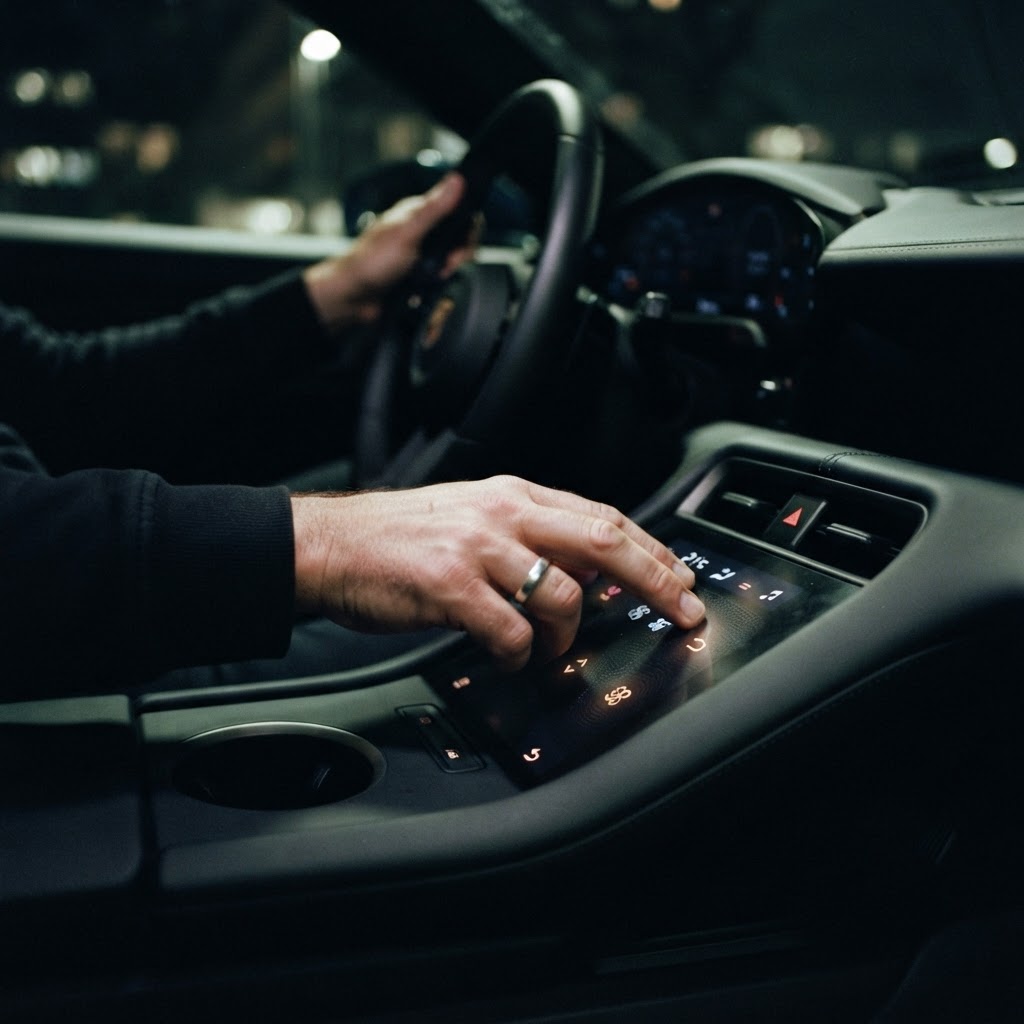
Why Your Smart Car Interface Fails: The Case for Spatial Interface Architecture
Automotive UX is stuck in a loop of flat, distracting glass panels. We explore why moving toward spatial interface architecture and haptic-enabled zones is the only way to save the driving experience.

You cannot build a modern app without a foundation. This is that foundation and it's already part of your day.