Why Your Smart Car Interface Fails: The Case for Spatial Interface Architecture
Automotive UX is stuck in a loop of flat, distracting glass panels. We explore why moving toward spatial interface architecture and haptic-enabled zones is the only way to save the driving experience.
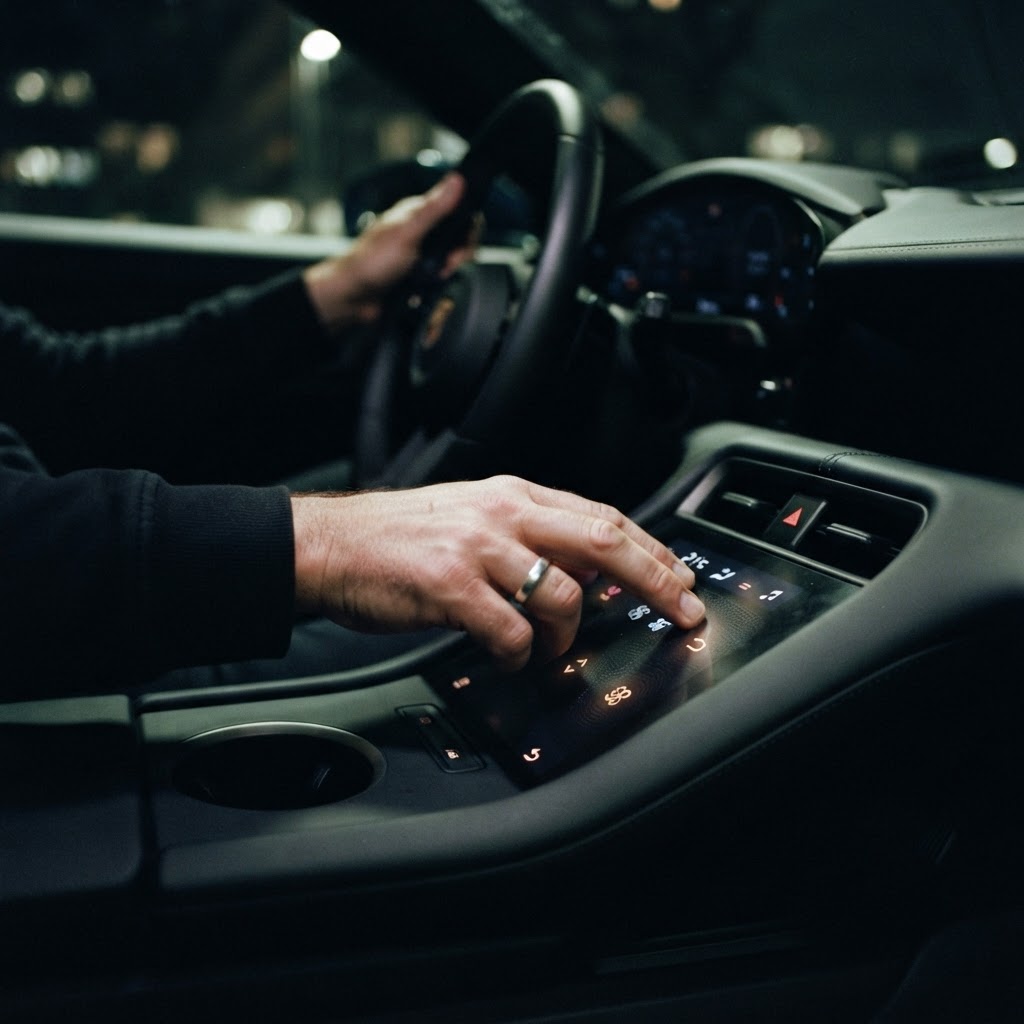
Most modern automotive dashboards are essentially bloated smartphones glued to a dashboard. When you are piloting two tons of steel at seventy miles per hour, glancing at a flat, non-tactile glass panel to find the climate control setting is not just bad design. It is a fundamental failure of human-machine input logic. The problem is not the processor speed or the screen resolution. It is the lack of physical affordances. Drivers are currently forced to navigate nested menus while their eyes belong on the road. We need to transition from flat visual hierarchies to a more robust spatial interface architecture.
Consider the experience of adjusting the mirror in a base model sedan from the late nineties. You reach out, your fingers find a physical toggle, and you adjust it by feel. Your eyes never leave the road. Now, compare that to a premium electric vehicle today. You tap the screen, navigate to a sub-menu, tap a virtual arrow, and hope the system registered your input. This is where Haptic Zones Technology changes the game. By utilizing dynamic touch zones, we can turn flat surfaces into high fidelity controls that provide tactile confirmation. This allows the driver to develop muscle memory, the holy grail of interface design.
We see the limitations of current systems everywhere. Take the infotainment unit in a popular luxury EV model. It requires three layers of menus to change the ambient lighting. This is a cognitive load disaster. If designers implemented a patented UI system based on zone-based interaction, they could reserve specific physical areas for primary tasks. Imagine a bezel that senses proximity and pressure. Instead of hunting for a pixel, the driver moves their hand to a dedicated zone. The system provides a haptic click when the target is reached, and a secondary vibration when the command is confirmed. This isn't just about convenience. It is about safety.
Developers often forget that the interior of a car is a harsh, vibrating environment. Gesture input control has been touted as the savior, but it often fails because it relies on imprecise hand waving in the air. Without a surface to register against, there is no grounding for the user. When we talk about true spatial computing inside a vehicle, we are talking about creating a bridge between the physical and the digital. The system needs to understand not just where the hand is, but the intent behind the motion. If you are reaching for the volume, the zone should activate before your finger even makes contact.
This shift requires a total rethink of how we treat the dashboard. It should not be a static display. It should be a reactive environment. When the car detects a change in driving conditions, the dynamic touch zones should adjust their sensitivity or layout. If you are in sport mode, the controls for suspension should become more prominent. This is the logic of context-aware interaction. We stop presenting everything all at once and start presenting what is needed, exactly when it is needed.
We are currently trapped in a cycle of aesthetic over functionality. Automotive companies want to show off sleek, buttonless interiors because they look good in press photos. But a design that looks good in a studio and fails on the highway is a failure of engineering. It is time to prioritize the driver over the pixels. By adopting a more thoughtful approach to human-machine input logic, we can restore the tactile connection that has been lost. The future of the cockpit is not a larger screen. It is a smarter, more responsive physical environment where the technology recedes into the background until it is explicitly called upon.
About Layer 4
Zone-Based Interaction Digital Magazine.
Discussion (0)
Join the discussion with other Haptic Zones experts.
Related Stories
Why Your Dashboard Still Fails: Rethinking Automotive UX Through Spatial Interface Architecture
Touchscreens in cars are dangerous. Here is how spatial interface architecture and haptic zones can bring back tactile control and improve driver safety.
Why Gesture Input Control Fails in Your Car and How Zone-Based Interaction Fixes It
Gesture control in cars is often a disaster. Here is why zone-based interaction and proper spatial architecture are the only ways to build an interface that actually works.
Why Spatial Interface Architecture Will Finally Fix Your Car Dashboard
Current car touchscreens are a safety hazard. Discover how spatial interface architecture and haptic technology are reclaiming the driver experience by prioritizing tactile, zone-based interaction over flat menus.

The Death of Static Buttons in Spatial Interface Architecture
Static buttons are failing. We explore how spatial interface architecture and Haptic Zones Technology are replacing fixed hardware with intelligent, dynamic touch zones that provide real tactile feedback.
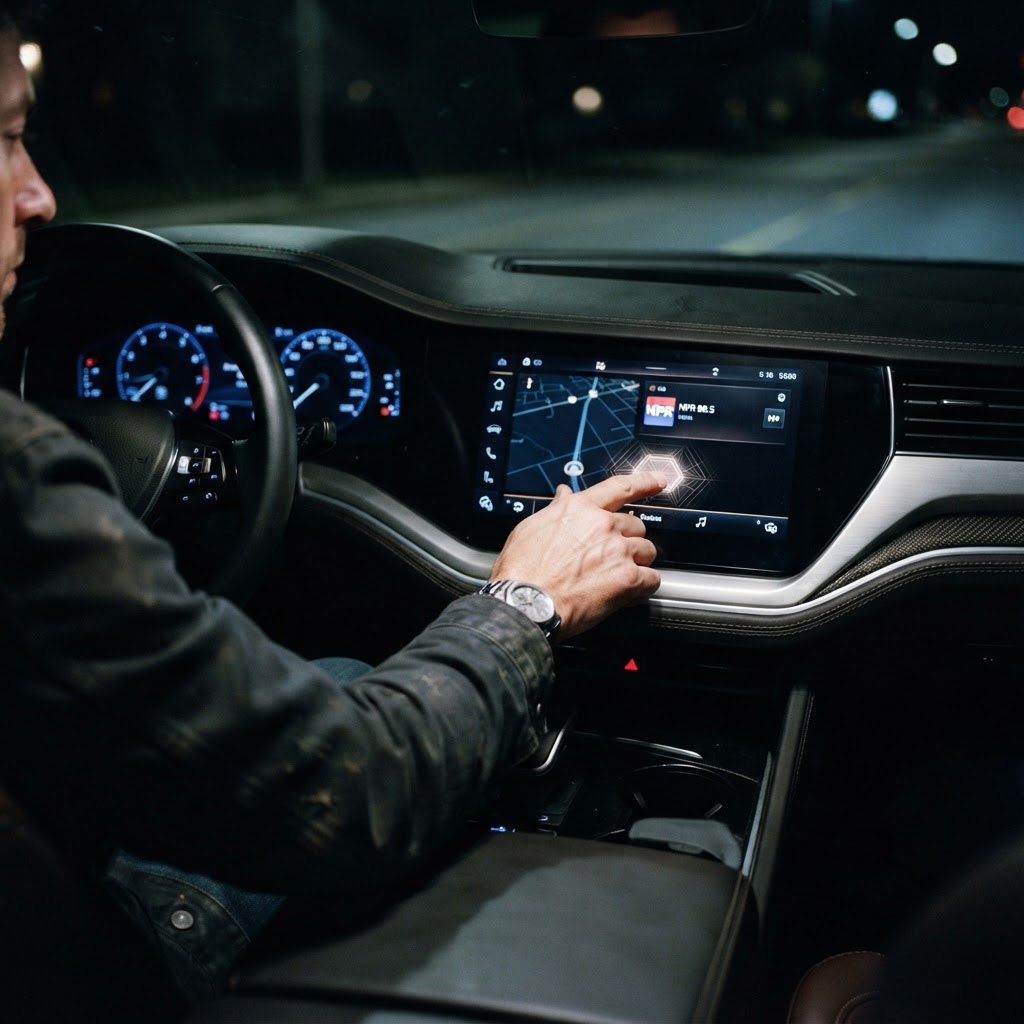
Why Your Dashboard Frustrates You: The Death of the Flat UI
The modern automotive interior is a usability nightmare. By adopting spatial interface architecture and zone based interaction, we can finally make screens safer and more intuitive for drivers.
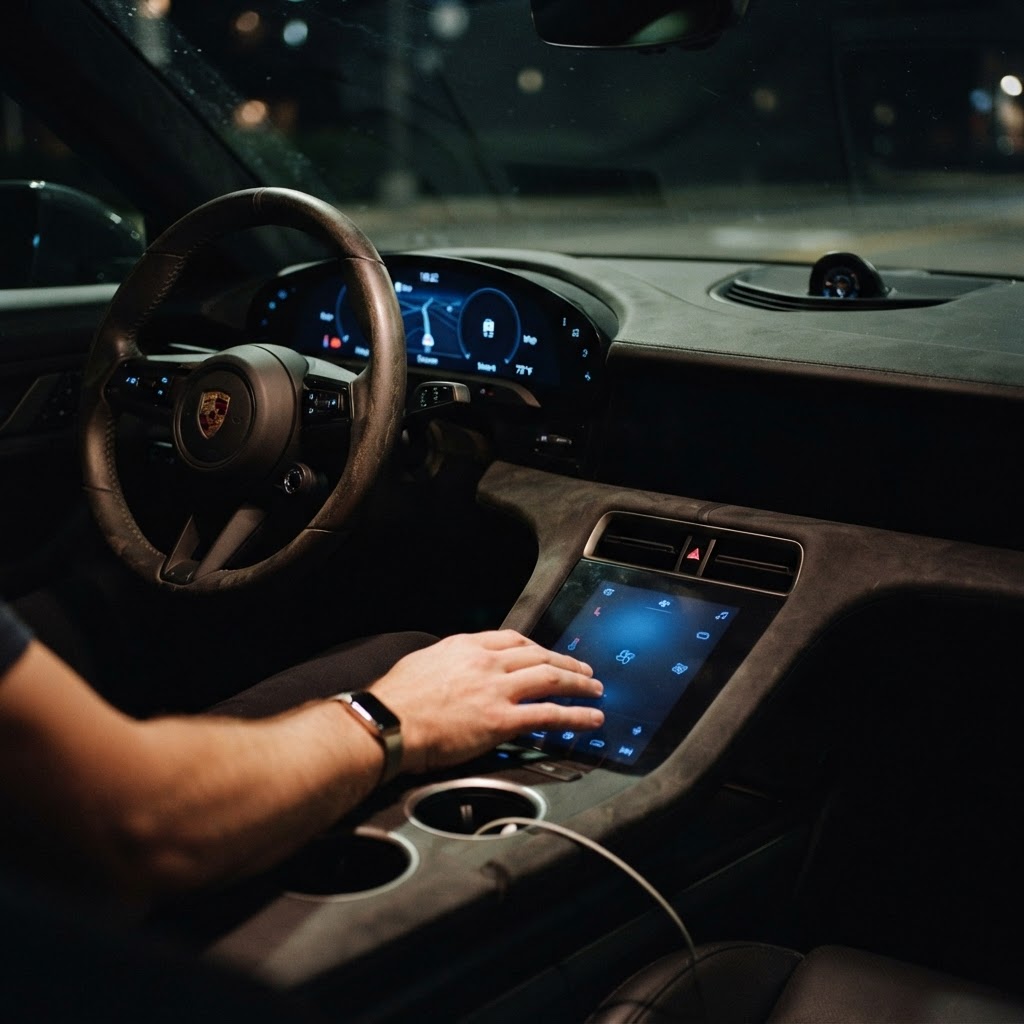
The Death of Static Buttons: How Spatial Interface Architecture Changes Everything
Static touchscreens are failing us. It is time to look at spatial interface architecture and dynamic zones to reclaim the human-machine relationship.

You cannot build a modern app without a foundation. This is that foundation and it's already part of your day.