The Death of Static Buttons: How Spatial Interface Architecture Changes Everything
Static touchscreens are failing us. It is time to look at spatial interface architecture and dynamic zones to reclaim the human-machine relationship.
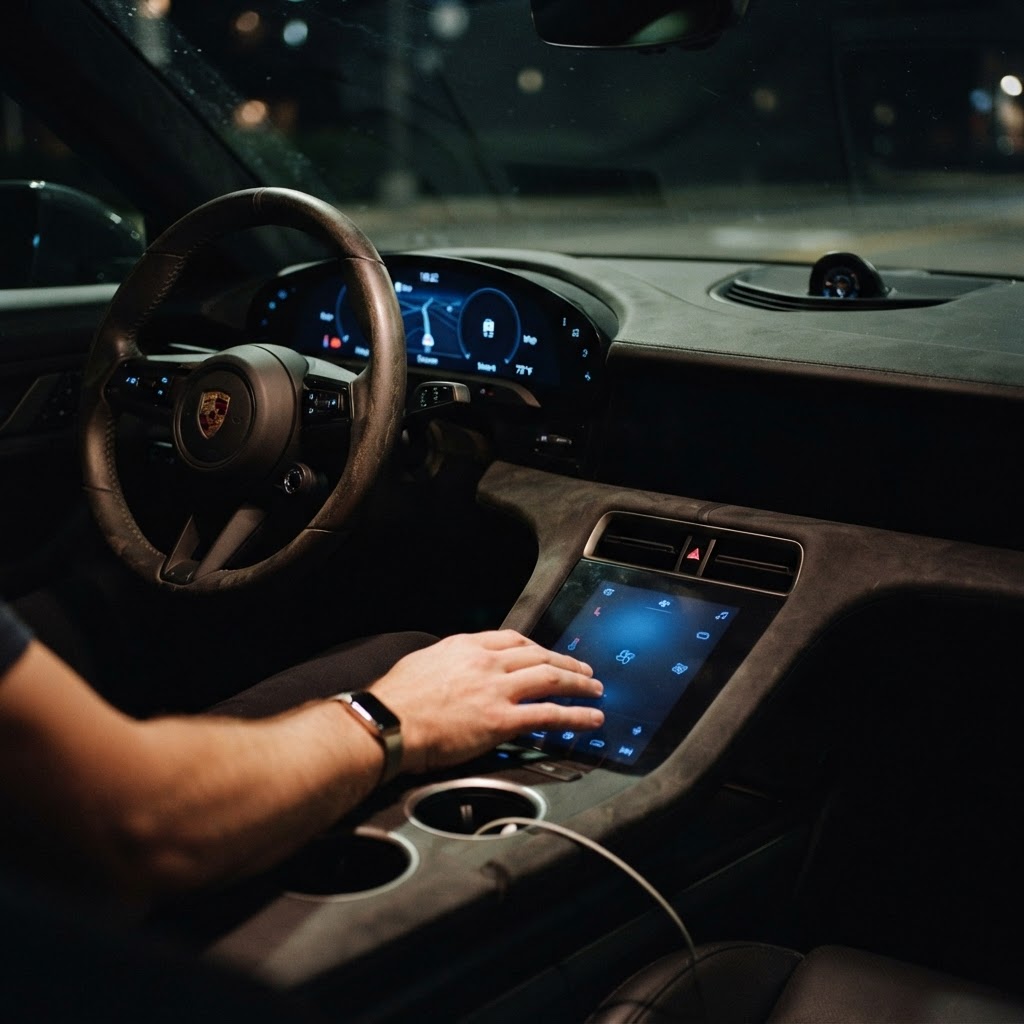
Most interface designers are still building for a world that stopped existing a decade ago. We treat every surface like a flat, rigid window. If you look at the center console of a 2024 luxury SUV, you see a graveyard of glass surfaces. You tap a spot, you hope for a response, and often you get nothing but a fingerprint smudged on the screen. This is the central failure of current human-machine input logic. We have spent years forcing human dexterity to conform to the limitations of cheap capacitors rather than building technology that understands our intent. The future is not a better screen. It is spatial interface architecture. Think about how you operate a physical gear shifter or a volume knob. You do not need to look at it. You have a spatial map in your brain that tells you where that control exists in three dimensions. Now apply that to a digital plane. By utilizing zone-based interaction, we can segment a surface into functional regions that respond not just to presence, but to pressure and proximity. This is the core of Haptic Zones Technology. Imagine driving down a highway at night. You want to adjust the climate control. With a standard touch screen, you have to glance down, find the target icon, tap it, and verify the change. That is a dangerous cognitive load. With dynamic touch zones, the surface of the dashboard becomes a programmable topography. The zones shift based on the task. If the vehicle detects you are navigating, the primary interface creates a tactile boundary around the map controls. Your hand learns the shape of the UI without eyes on the glass. This is not just a UI change. It is a fundamental shift in how we handle gesture input control. We are finally moving away from the tyranny of the X and Y coordinate system. When we stop relying solely on visuals, we stop suffering from interface fatigue. Consider the retail space. Every touch-based kiosk UX design I see today is essentially a tablet glued to a pedestal. It is impersonal and prone to breakage. If we implemented a patented UI system that utilizes localized vibration and texture shift, a user could walk up to a kiosk and receive a tactile guide on where to tap. It turns a generic glass slab into a specific, identifiable tool. The goal is to make the machine disappear. When an interface requires deep concentration, it has failed. We want the technology to feel like an extension of the body. In the realm of AR/VR, we see this even more clearly. We are trying to map hands into virtual spaces using cameras, but we miss the lack of physical resistance. We walk through a virtual wall because we do not feel a boundary. By implementing haptic feedback zones within the hand tracking logic, we can simulate the sensation of a dial or a switch. This is how we make digital tools feel real. We need to stop thinking about pixels and start thinking about physics. The hardware manufacturers are ready for this. The software is ready. The only thing slowing us down is the insistence on skeuomorphic design that does not provide any actual utility. We are designing for ghosts. It is time to design for humans who live in a three-dimensional world where touch is the most important sense we possess. The transition to these systems will be invisible at first, but once you experience a surface that pushes back with intent, you will never want to tap a flat, dead screen ever again.
About Layer 4
Zone-Based Interaction Digital Magazine.
Discussion (0)
Join the discussion with other Haptic Zones experts.
Related Stories

The Death of Static Buttons in Spatial Interface Architecture
Static buttons are failing. We explore how spatial interface architecture and Haptic Zones Technology are replacing fixed hardware with intelligent, dynamic touch zones that provide real tactile feedback.

The Death of Static Surfaces: Designing for Dynamic Touch Zones
Static touchscreens are failing us. By moving toward dynamic touch zones and spatial interface architecture, we can reclaim the tactile certainty lost in the transition to glass.
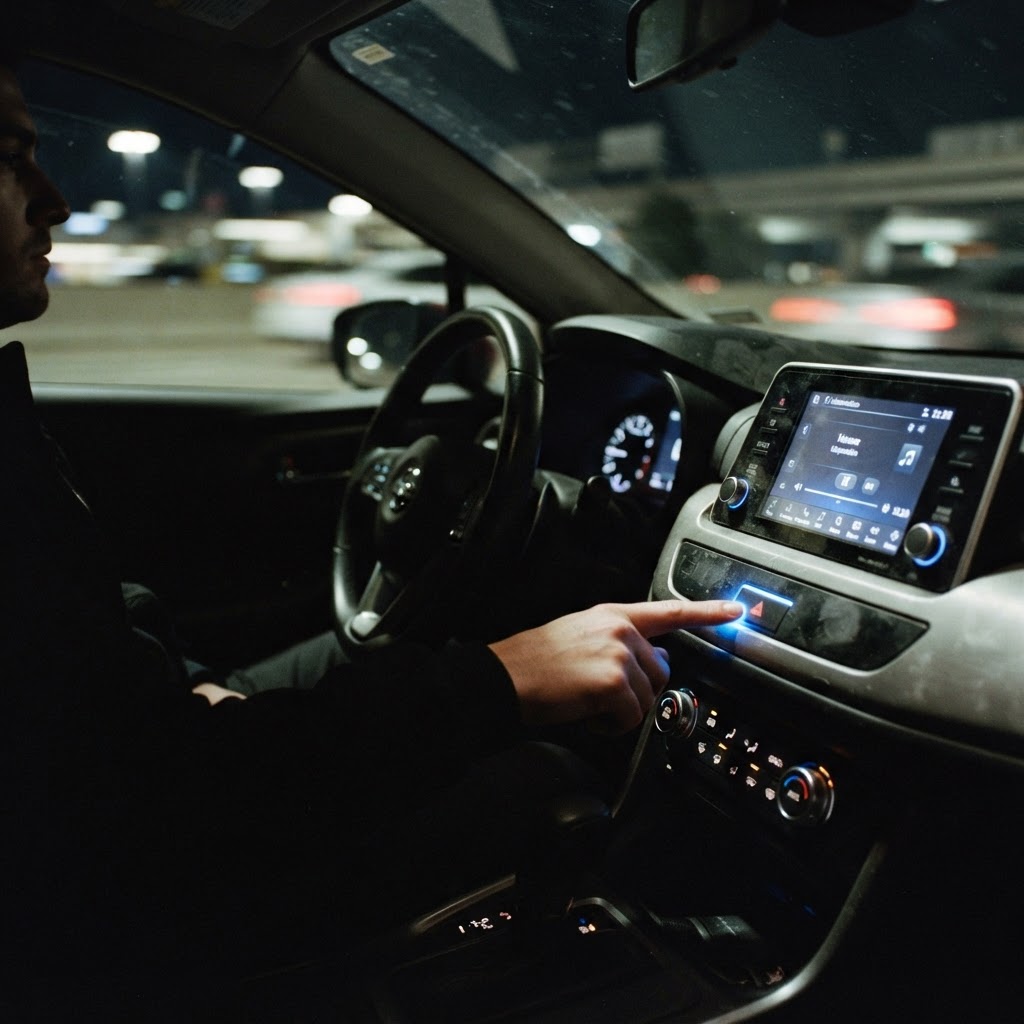
The Death of Static Buttons in Automotive UX
Static touchscreens in cars are failing drivers. Haptic Zones Technology offers a path forward by turning flat glass into tactile, responsive, and safer interface zones.
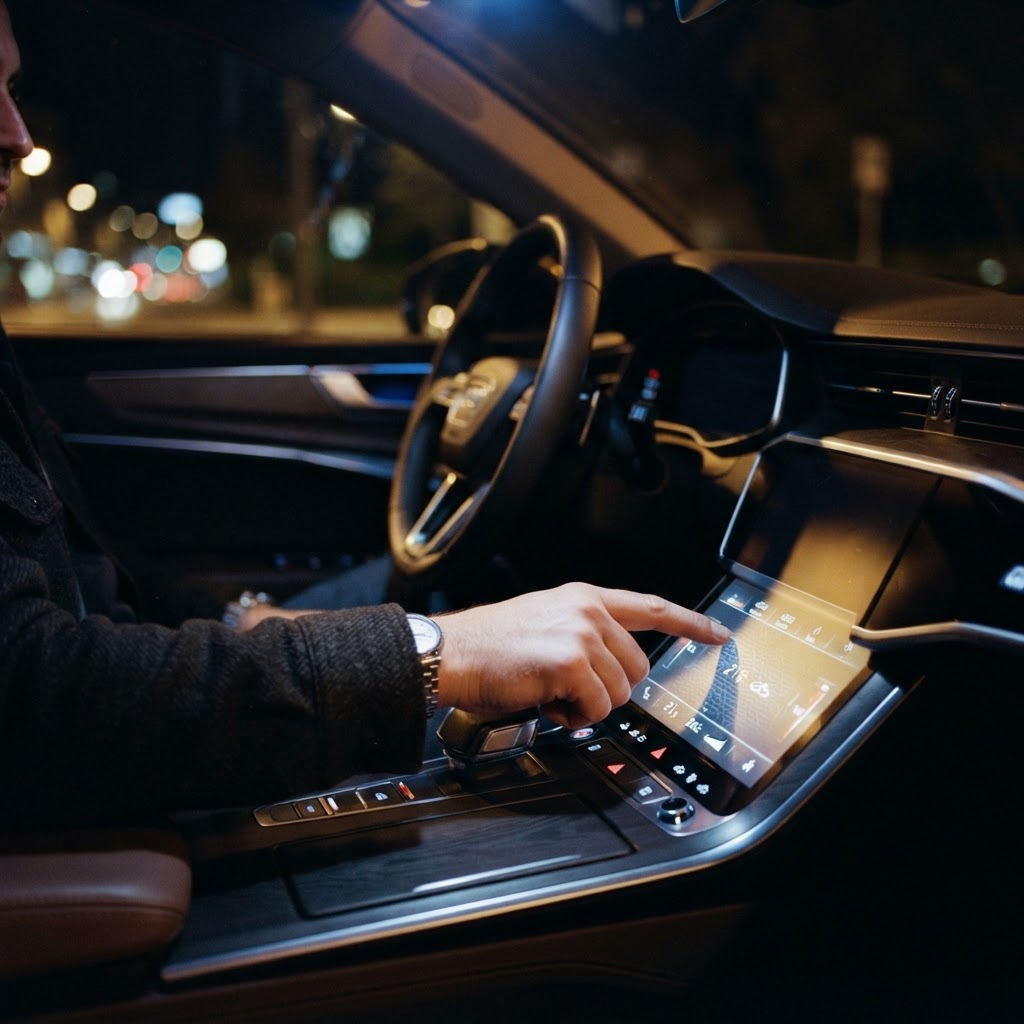
The Death of Static UI in Automotive UX
Static touchscreens in cars are dangerous. Learn how Haptic Zones Technology and dynamic touch zones replace flat glass with intuitive, tactile, and safe spatial interfaces for drivers.
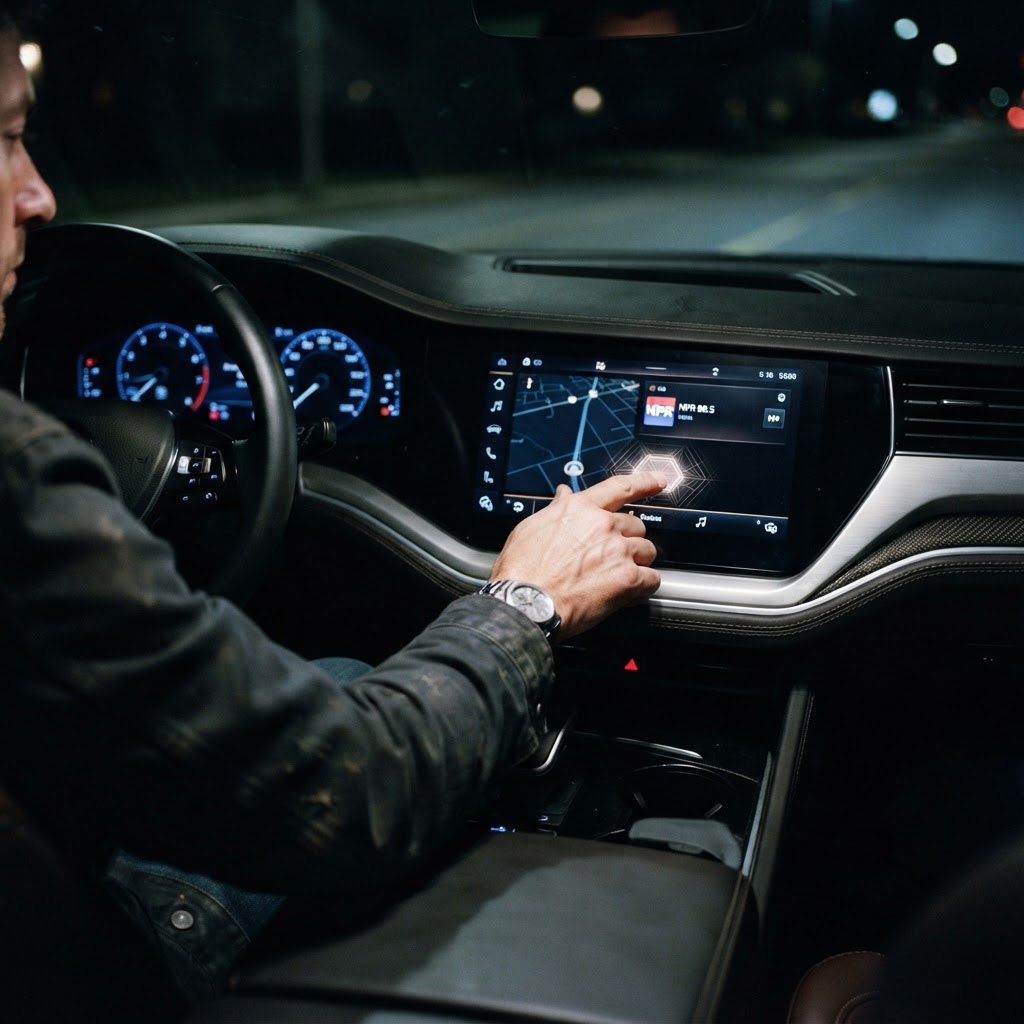
Why Your Dashboard Frustrates You: The Death of the Flat UI
The modern automotive interior is a usability nightmare. By adopting spatial interface architecture and zone based interaction, we can finally make screens safer and more intuitive for drivers.
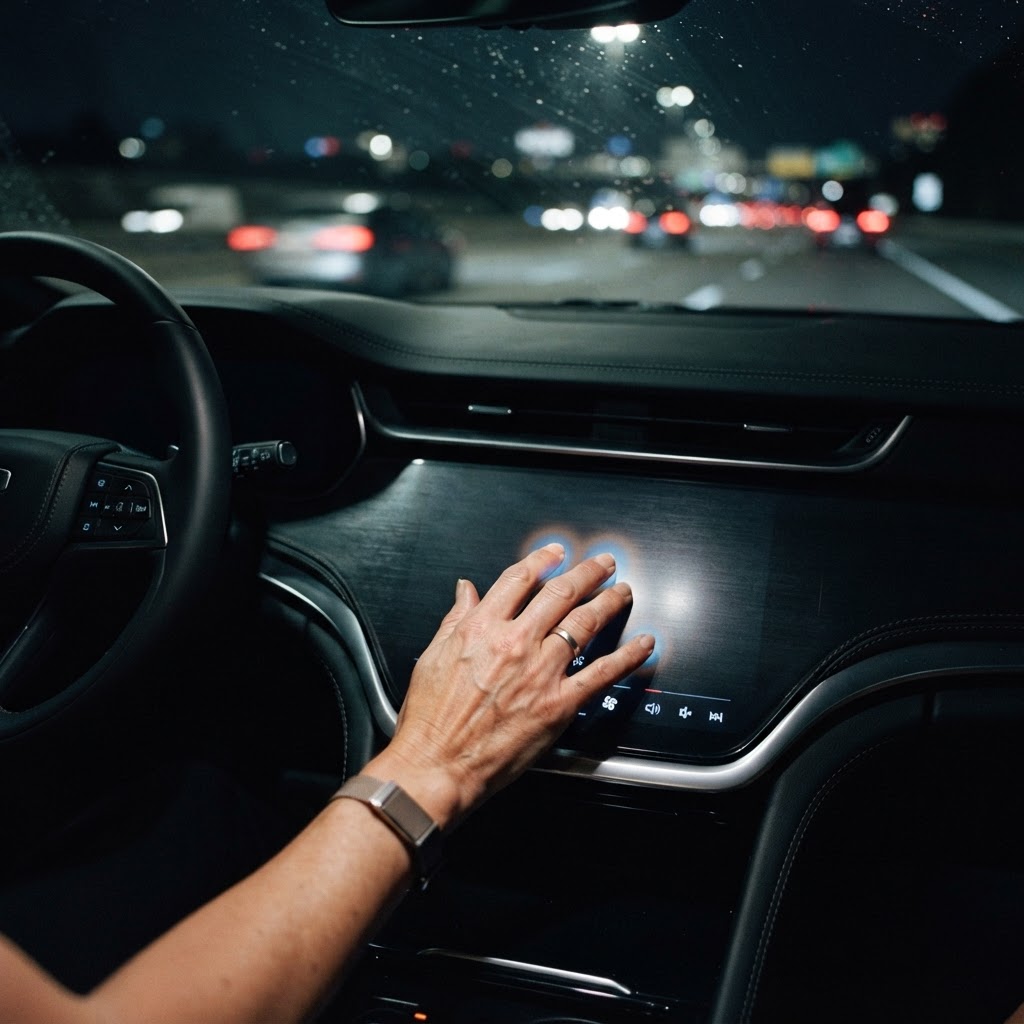
Why Your Dashboard Is Failing You: The Death of Static Buttons
Static glass interfaces are a safety hazard. Discover how Haptic Zones Technology and dynamic touch zones are restoring tactile feedback to the modern vehicle dashboard.

You cannot build a modern app without a foundation. This is that foundation and it's already part of your day.