The Death of Static UI in Automotive UX
Static touchscreens in cars are dangerous. Learn how Haptic Zones Technology and dynamic touch zones replace flat glass with intuitive, tactile, and safe spatial interfaces for drivers.
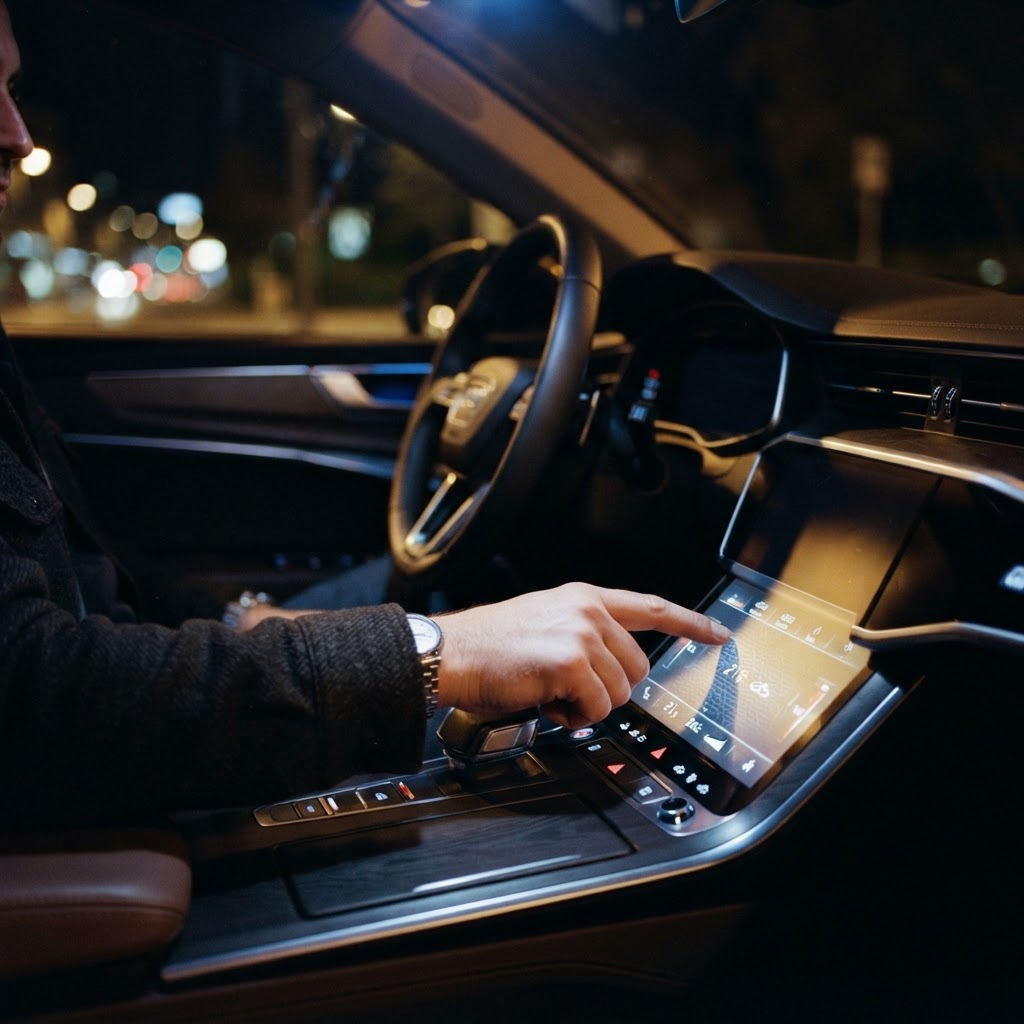
The central console of a modern vehicle has become a graveyard of bad design decisions. You are driving at sixty miles per hour, your eyes are fixed on the road, and you need to adjust the climate control. You reach for the screen. It is a flat, featureless piece of glass. You cannot feel where the button starts or ends. You look down for a split second to locate the target. In that blink of an eye, you have traveled nearly a hundred feet effectively blind. This is the failure of modern automotive UX. We have prioritized sleek visuals over human machine input logic. It is time to talk about why we need a better spatial interface architecture. The industry has been obsessed with minimalism for a decade. They wanted screens that look like high end tablets. However, a car is not a tablet. It is a vibrating, moving environment where physical intuition is the difference between a safe commute and a collision. Static touchscreens lack the tactile feedback required for high speed operations. This is where Haptic Zones Technology changes the game. By replacing flat surfaces with defined touch areas that provide specific resistance or texture, we stop forcing the driver to rely solely on vision. When we integrate zone based interaction into the console, the interface becomes a map your fingers can read. It is not just about a vibration under your finger. It is about spatial awareness. A driver should know exactly where the volume control sits simply by the curvature and texture of the surface. This is the core of a patented UI system that respects the physics of driving. We have spent years perfecting gesture input control, but gestures are often imprecise in bumpy conditions. A physical zone, even one simulated through haptic actuators, provides a boundary. It tells the brain that you have reached the limit of an adjustment. When manufacturers switch to dynamic touch zones, they gain the ability to reconfigure the dashboard based on context. If the car detects a low fuel state, the zone associated with navigation or gas station search can elevate its tactile profile. This is the future of interior design. We are moving away from screens that act like dumb monitors and toward surfaces that behave like living tools. The current trend of hiding all controls inside deep software menus is a disaster for usability. It forces users to navigate three layers of software just to turn on the heated seats. Our approach uses spatial mapping to keep essential functions within reach. If you want to build better interfaces, stop looking at smartphone apps as your primary design guide. Look at how a pilot operates an aircraft. They have physical toggles, specific shapes for specific switches, and spatial consistency. We can replicate this logic in cars using haptic hardware that creates temporary, high fidelity boundaries. This is not just a feature. It is a necessity for anyone serious about driver safety and cockpit ergonomics. As we look toward autonomous vehicle integration, the importance of these zones will only grow. Even when the car drives itself, occupants will want to interact with their environment without staring at a glowing rectangle. If you are a developer, stop fighting the hardware. Start designing for the physics of the touch. Stop placing buttons where they look good and start placing them where they are felt. The era of the flat, non responsive screen is coming to an end. It should have ended years ago.
About Layer 4
Zone-Based Interaction Digital Magazine.
Discussion (0)
Join the discussion with other Haptic Zones experts.
Related Stories
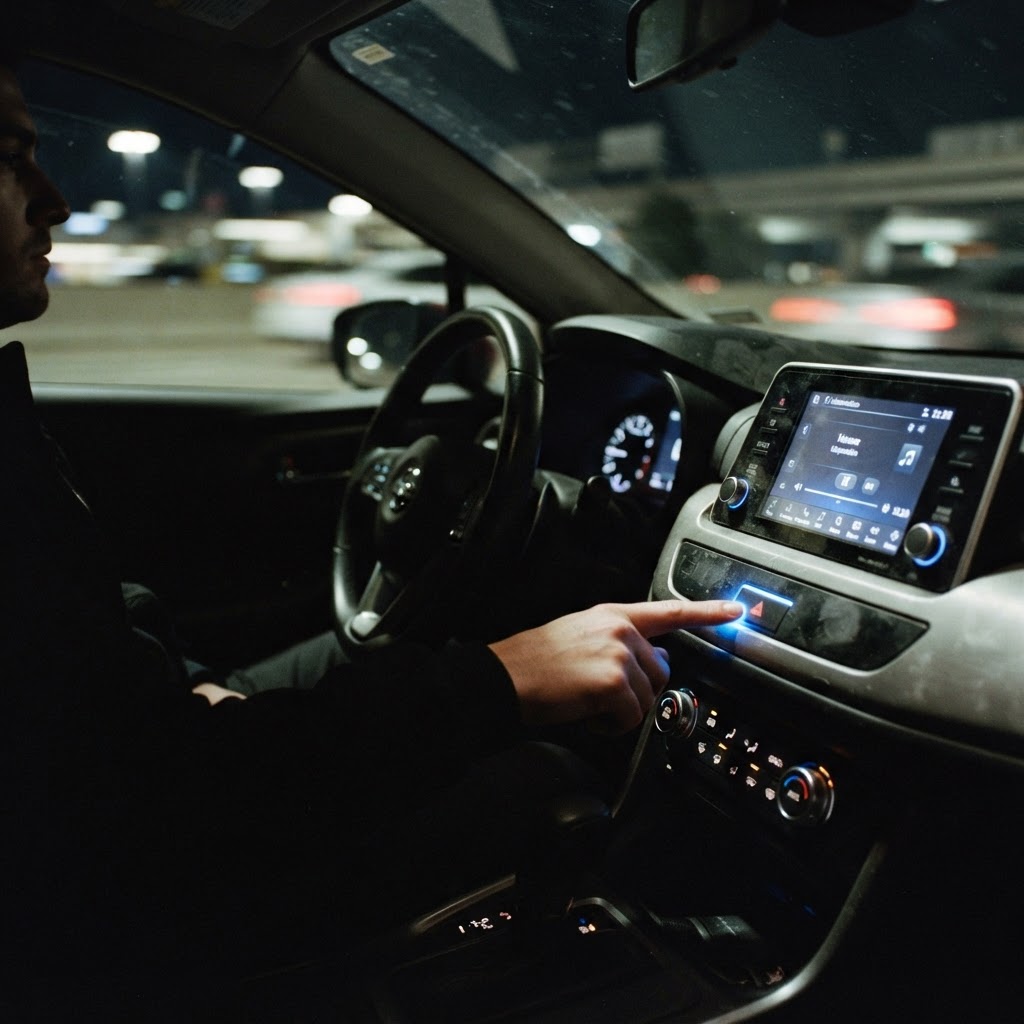
The Death of Static Buttons in Automotive UX
Static touchscreens in cars are failing drivers. Haptic Zones Technology offers a path forward by turning flat glass into tactile, responsive, and safer interface zones.
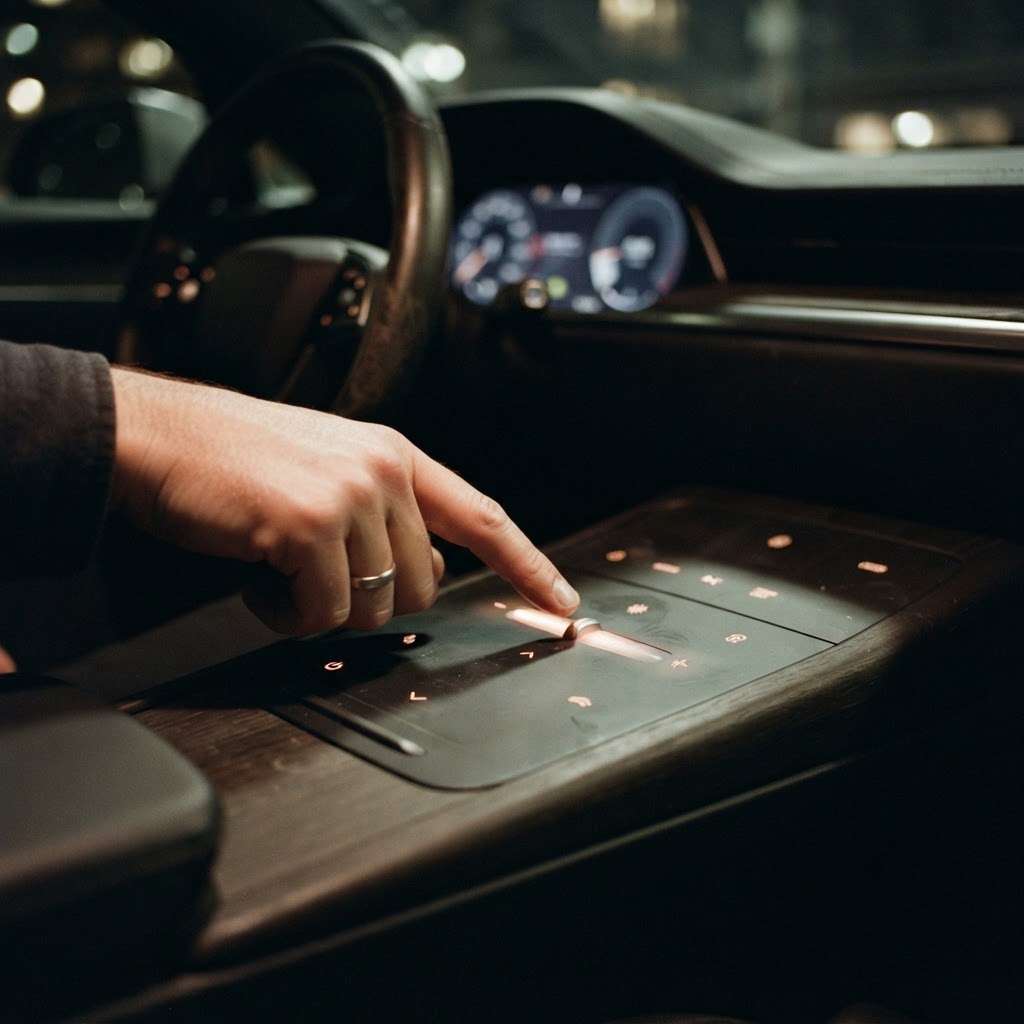
The Death of Static Buttons: Why Automotive UX is Breaking Physical Constraints
Physical buttons are obsolete, but current touchscreens are dangerous. Here is why the future of automotive UX depends on dynamic touch zones and haptic feedback.
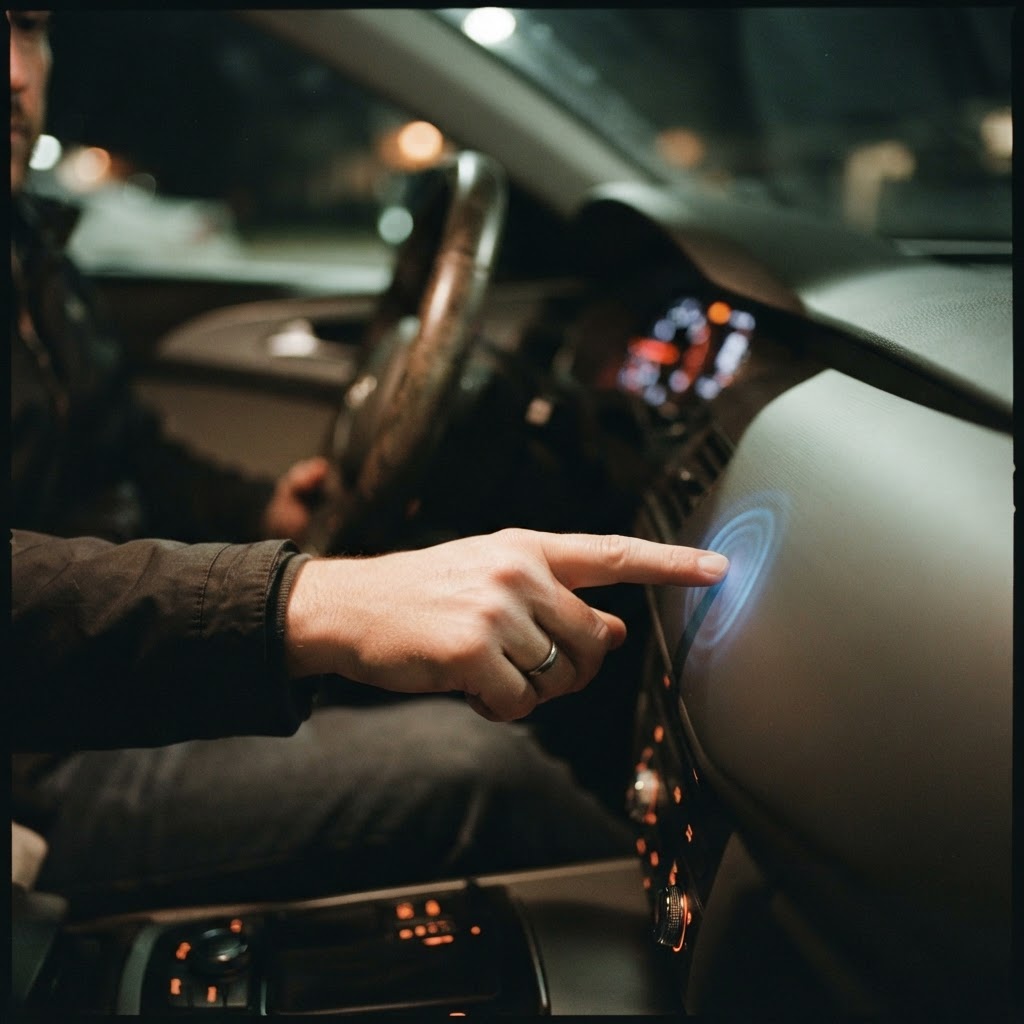
The Death of Static Buttons: Rethinking Automotive UX
Current automotive touchscreens are a safety risk. We explore how Haptic Zones Technology and dynamic touch zones are bringing tactile reliability back to the driver cockpit.

The Death of Static Buttons in Spatial Interface Architecture
Static buttons are failing. We explore how spatial interface architecture and Haptic Zones Technology are replacing fixed hardware with intelligent, dynamic touch zones that provide real tactile feedback.
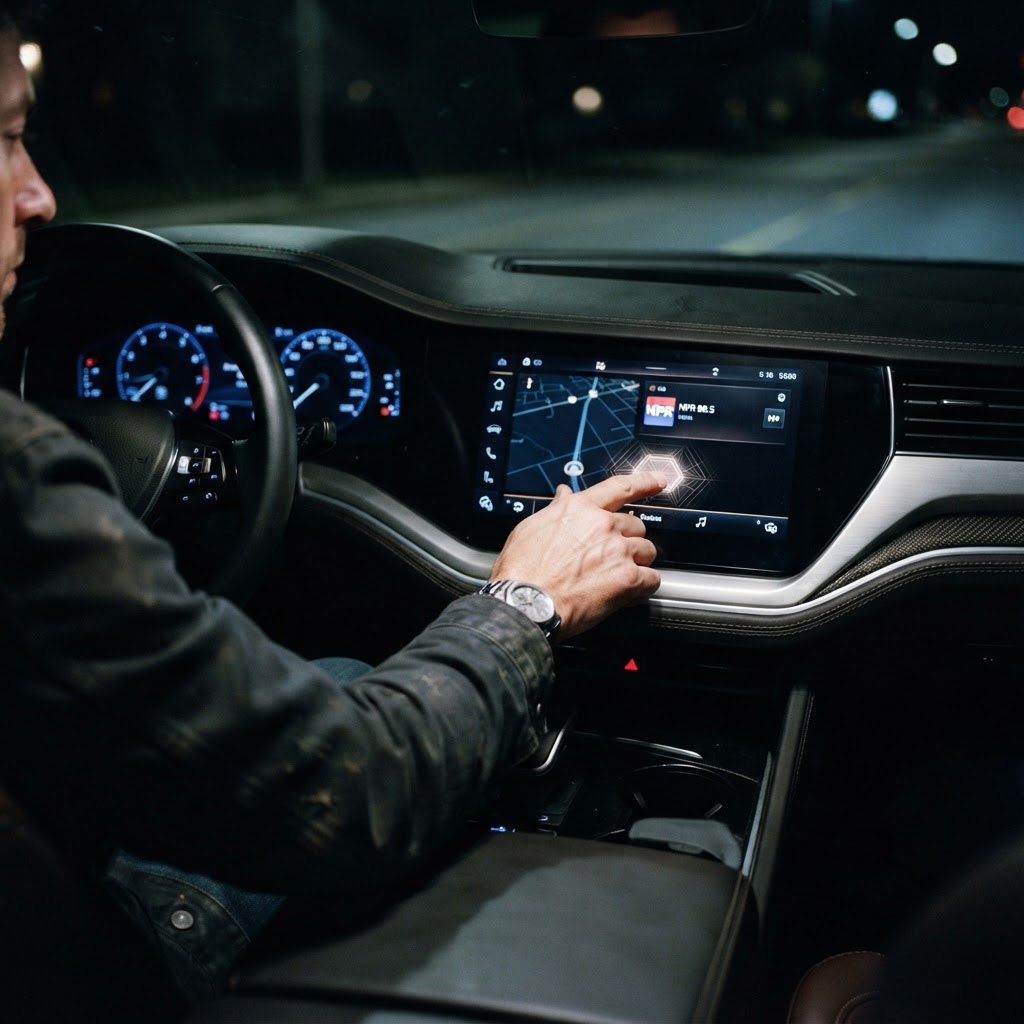
Why Your Dashboard Frustrates You: The Death of the Flat UI
The modern automotive interior is a usability nightmare. By adopting spatial interface architecture and zone based interaction, we can finally make screens safer and more intuitive for drivers.
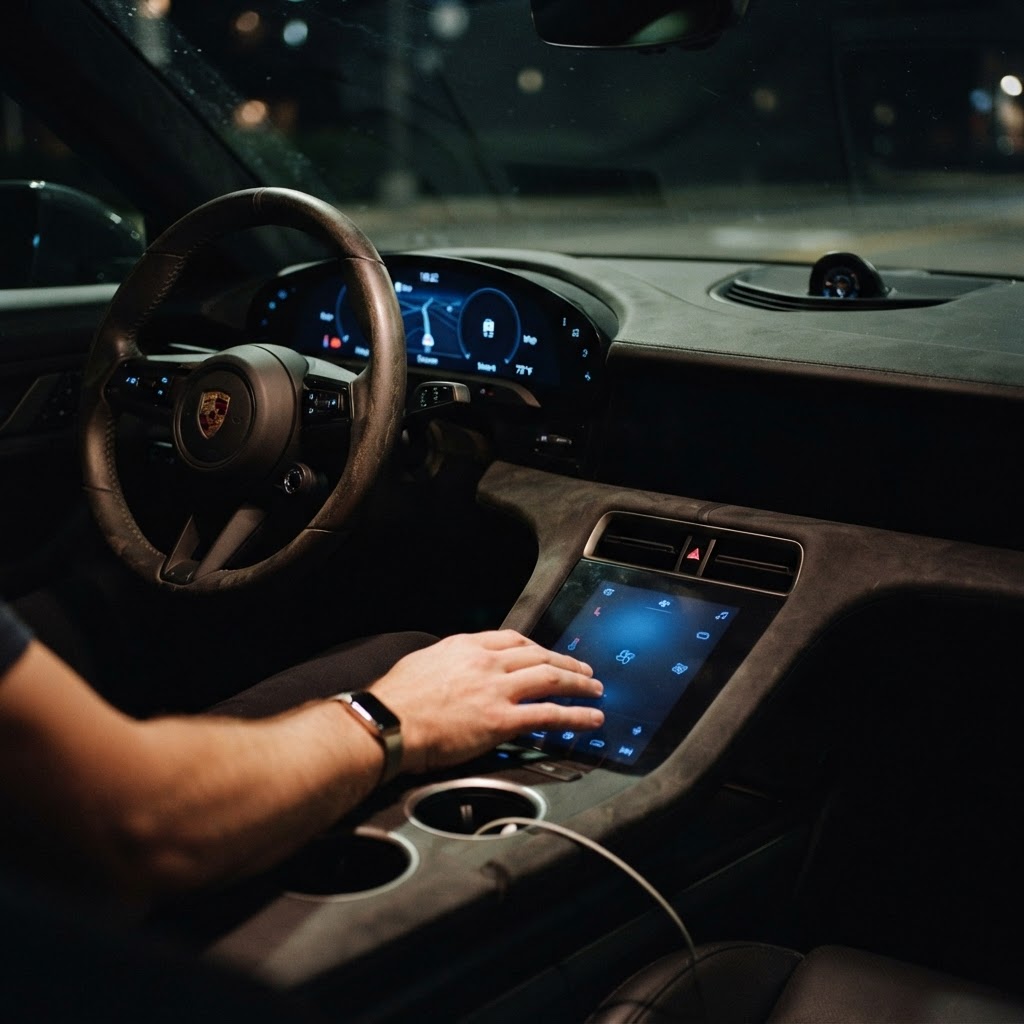
The Death of Static Buttons: How Spatial Interface Architecture Changes Everything
Static touchscreens are failing us. It is time to look at spatial interface architecture and dynamic zones to reclaim the human-machine relationship.

You cannot build a modern app without a foundation. This is that foundation and it's already part of your day.