The Death of Static Surfaces: Designing for Dynamic Touch Zones
Static touchscreens are failing us. By moving toward dynamic touch zones and spatial interface architecture, we can reclaim the tactile certainty lost in the transition to glass.

The glass in your car console is lying to you. It sits there, a black rectangle of frozen pixels, pretending it is a static canvas. When you reach for the volume knob, you are relying on muscle memory because the surface offers zero physical guidance. This is the fundamental failure of modern automotive UI. Designers treat touchscreens as paintings rather than as physical territory. To fix this, we have to stop building interfaces that behave like digital paper and start building spatial interface architecture that respects the human nervous system. When we talk about dynamic touch zones, we are not talking about simple button overlays. We are talking about a system that reconfigures the physical input properties of a surface based on user intent. Imagine a center stack in a high end sedan that detects your hand hovering three inches above the glass. It immediately populates the surface with tactile cues or localized Haptic Zones Technology. The surface does not just light up. It defines a zone-based interaction model where the input logic shifts based on whether you are adjusting climate control or navigating a map. This is where gesture input control meets reality. In a static setup, you must look at the screen to ensure your finger hits the target. That takes your eyes off the road for two seconds. At highway speeds, those two seconds cover nearly two hundred feet of blind travel. By implementing a patented UI system that uses proximity sensing to define zones, we eliminate the need for visual confirmation. You feel the boundary of the control. Your brain maps the geometry of the interface before you ever make contact. This human-machine input logic relies on the principle that humans interact better with edges than with flat planes. Think about the mechanical click of a vintage camera. You do not need to look at the shutter button to know it is there. We are currently trying to replicate that certainty in a world made entirely of touch-sensitive glass. The challenge for developers is the latency between spatial awareness and surface response. If the system lags by even a millisecond, the illusion of a physical interface collapses. We have seen this fail repeatedly in early smart appliance interaction models where the user swipes, waits, and then guesses if the device registered the input. The solution lies in immediate, localized tactile feedback that maps to the spatial coordinates of the finger. If we want to move beyond the limitations of current mobile screen gestures, we have to treat the display as a three-dimensional field rather than a two-dimensional grid. Every time a user interacts with an object in a virtual or physical space, the system should interpret that as a volumetric entry point. This is the future of spatial computing. We are moving away from screens and toward zones of intent. The next time you find yourself frustrated by a unresponsive menu on a dashboard, remember that the problem is not the code. The problem is a lack of spatial intelligence in the design. We are effectively trying to drive a car while playing a game of Tetris on a flat piece of glass. It is time to add the Z-axis back into our design patterns.
About Layer 4
Zone-Based Interaction Digital Magazine.
Discussion (0)
Join the discussion with other Haptic Zones experts.
Related Stories

The Death of Static UI in Automotive UX
Static touchscreens in cars are dangerous. Learn how Haptic Zones Technology and dynamic touch zones replace flat glass with intuitive, tactile, and safe spatial interfaces for drivers.

The Death of Static Buttons: Why Automotive UX is Breaking Physical Constraints
Physical buttons are obsolete, but current touchscreens are dangerous. Here is why the future of automotive UX depends on dynamic touch zones and haptic feedback.

The Death of Static Buttons in Spatial Interface Architecture
Static buttons are failing. We explore how spatial interface architecture and Haptic Zones Technology are replacing fixed hardware with intelligent, dynamic touch zones that provide real tactile feedback.

The Death of Static Buttons: How Spatial Interface Architecture Changes Everything
Static touchscreens are failing us. It is time to look at spatial interface architecture and dynamic zones to reclaim the human-machine relationship.
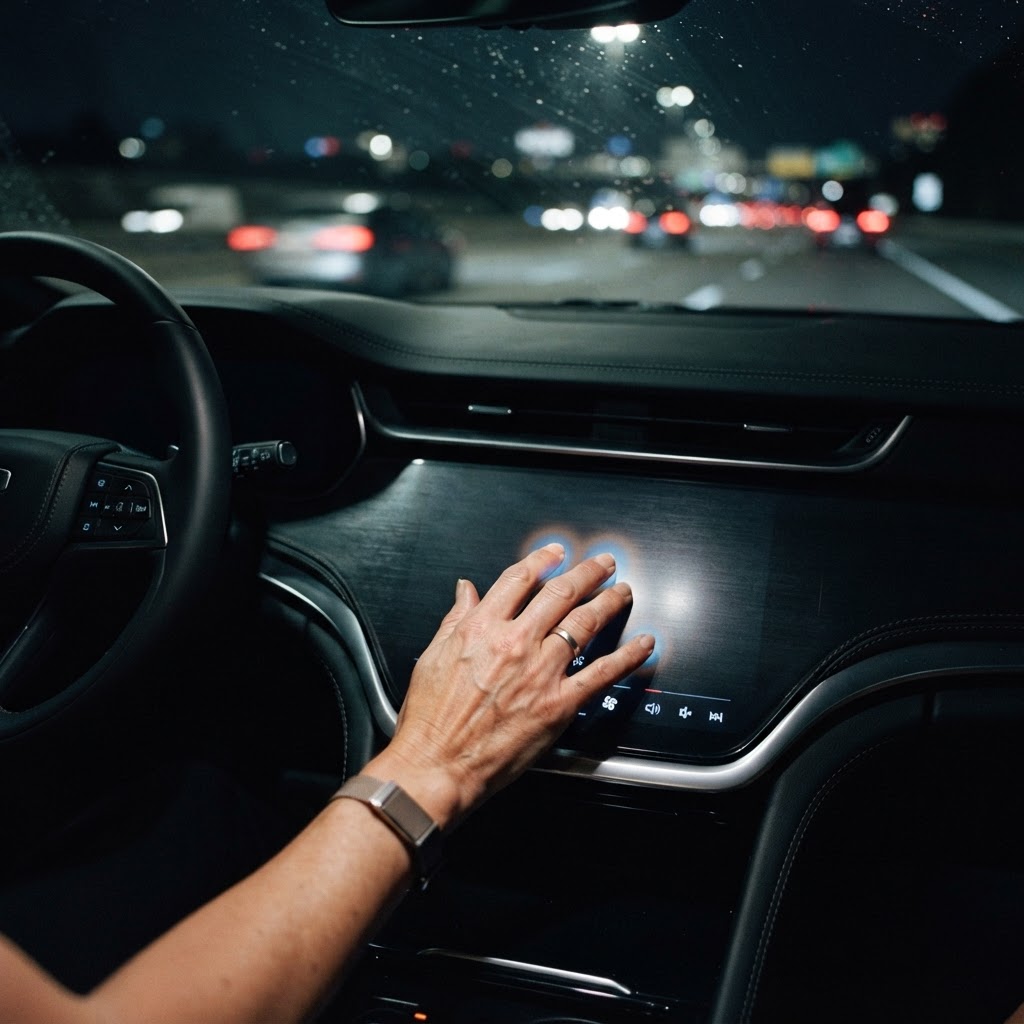
Why Your Dashboard Is Failing You: The Death of Static Buttons
Static glass interfaces are a safety hazard. Discover how Haptic Zones Technology and dynamic touch zones are restoring tactile feedback to the modern vehicle dashboard.
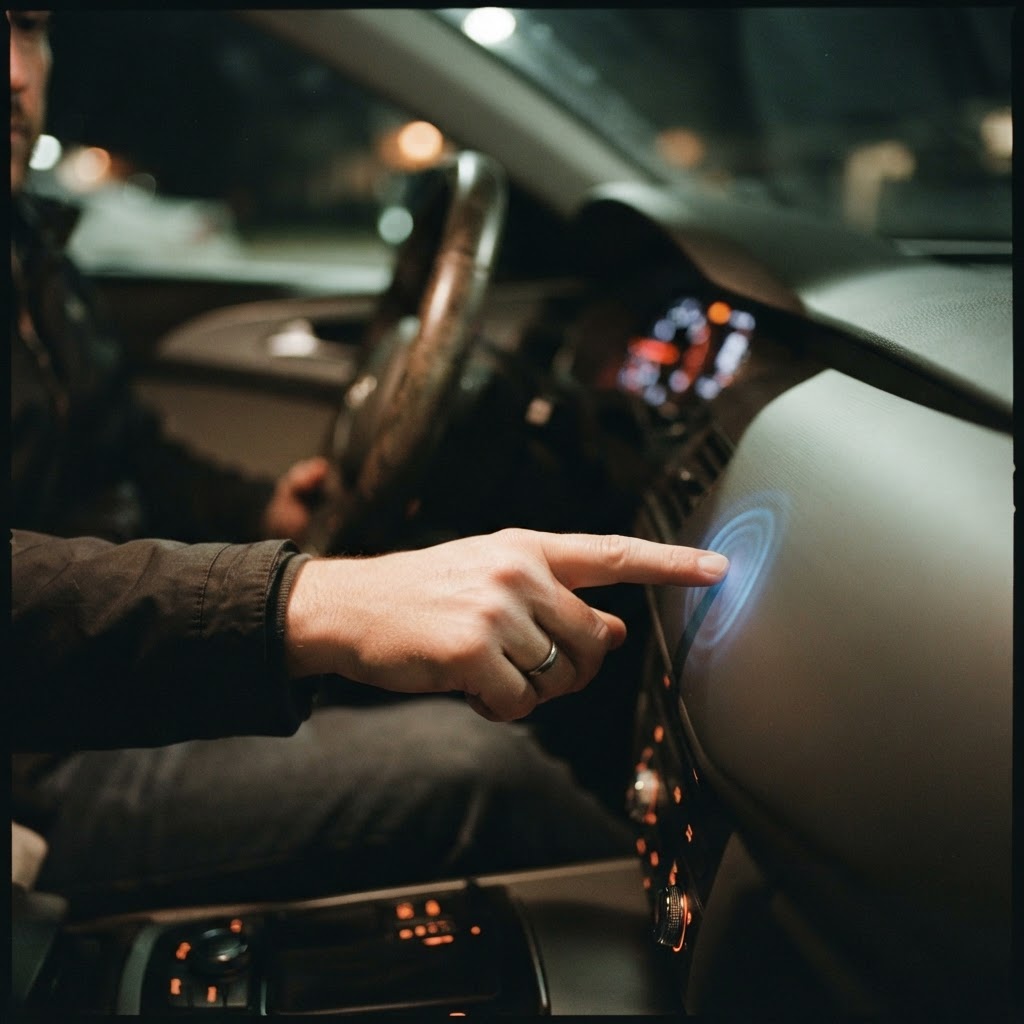
The Death of Static Buttons: Rethinking Automotive UX
Current automotive touchscreens are a safety risk. We explore how Haptic Zones Technology and dynamic touch zones are bringing tactile reliability back to the driver cockpit.

You cannot build a modern app without a foundation. This is that foundation and it's already part of your day.