Why Your Dashboard Is Failing You: The Death of Static Buttons
Static glass interfaces are a safety hazard. Discover how Haptic Zones Technology and dynamic touch zones are restoring tactile feedback to the modern vehicle dashboard.
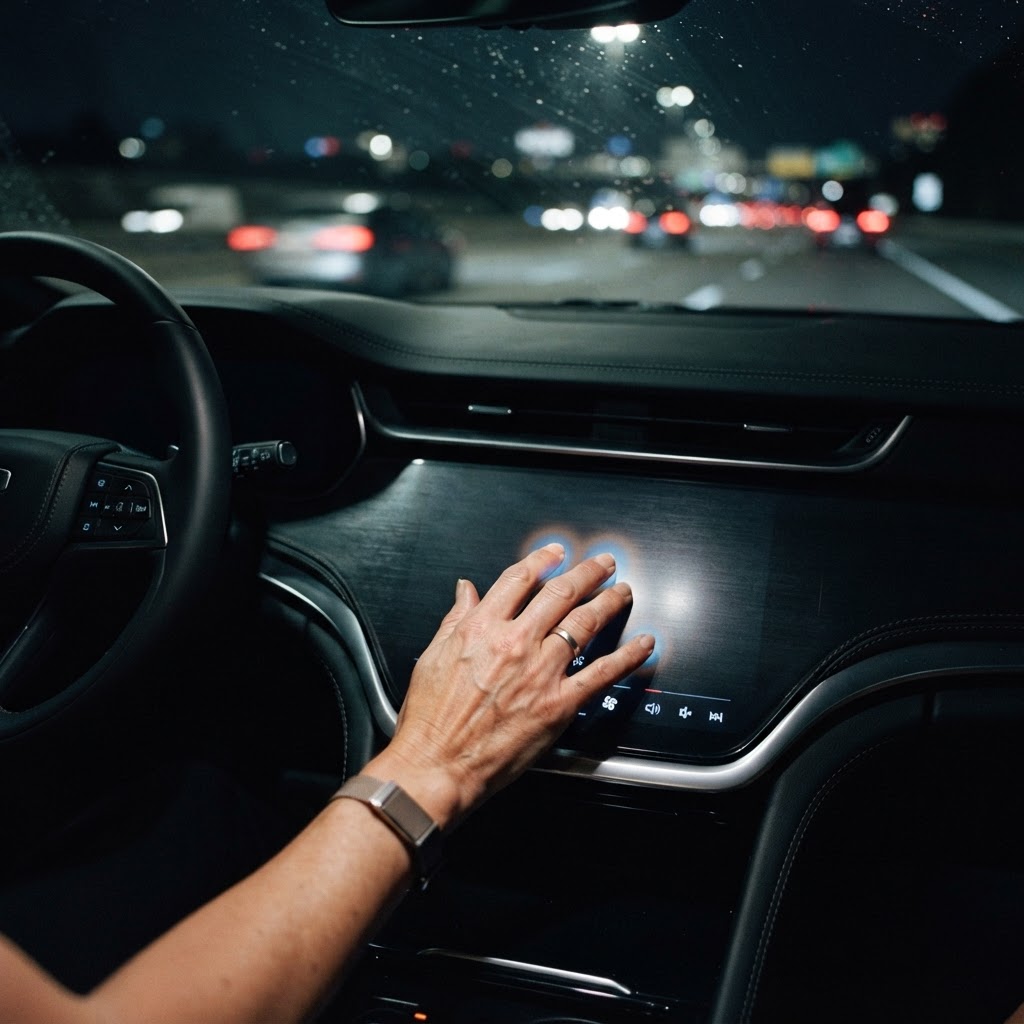
The Tesla Model 3 removed almost every physical button. It was a bold move that looked clean in press photos but remains a usability nightmare for anyone driving at highway speeds. When you are traveling at 70 miles per hour, your hand is not a surgical instrument. Asking a driver to locate a specific pixel on a glass screen to adjust climate settings is a dangerous failure in human-machine input logic. We have spent decades training drivers that certain controls reside in specific physical spaces. When that space becomes a shifting menu on a flat panel, muscle memory dies. This is where Haptic Zones Technology changes the game by bringing tactile feedback back to the digital cockpit. By implementing zone-based interaction, developers can carve out dedicated, recognizable regions on a touchscreen that provide physical confirmation without the need for visual oversight. A driver should feel the edge of a button, not hunt for a shadow on a display. The current trend of minimalist interior design ignores the fundamental reality of sensory perception. If you move your hand across a smooth piece of plastic, your brain perceives nothing but heat and friction. A patented UI system that uses micro-vibrations allows for dynamic touch zones that shift based on the task at hand. Imagine the volume slider expanding when you reach for it, or the defrost button becoming physically distinct during a cold morning. This is not just about making a car look futuristic. It is about spatial interface architecture that respects how humans interact with their environment while distracted. Automotive UX must prioritize eyes-free operation above all else. When we talk about gesture input control, most designers think of swiping through menus. This is the wrong approach. True gesture control in a vehicle involves localized, intuitive movements that trigger mechanical-like responses. We have seen mobile screen gestures bleed into automotive design, but the requirements are vastly different. A smartphone is used while stationary, or while the user is focused entirely on the screen. A car dashboard is an peripheral device that must compete with the road for attention. Developers need to stop treating a vehicle dashboard like a phone. We must shift toward interfaces that provide haptic confirmation for every command. If the system does not give me a clear, tactile click when I change the fan speed, I have to look at the screen to verify the action. That one second of looking is a second where I am not watching the road. The future of the cockpit is not a giant tablet in the center console. It is an intelligent, responsive, and tactile surface that guides the hand to the right action through subtle, localized vibrations. We have the technology to make glass feel like switches again. It is time we stop forcing drivers to be data analysts and start letting them be drivers again.
About Layer 4
Zone-Based Interaction Digital Magazine.
Discussion (0)
Join the discussion with other Haptic Zones experts.
Related Stories
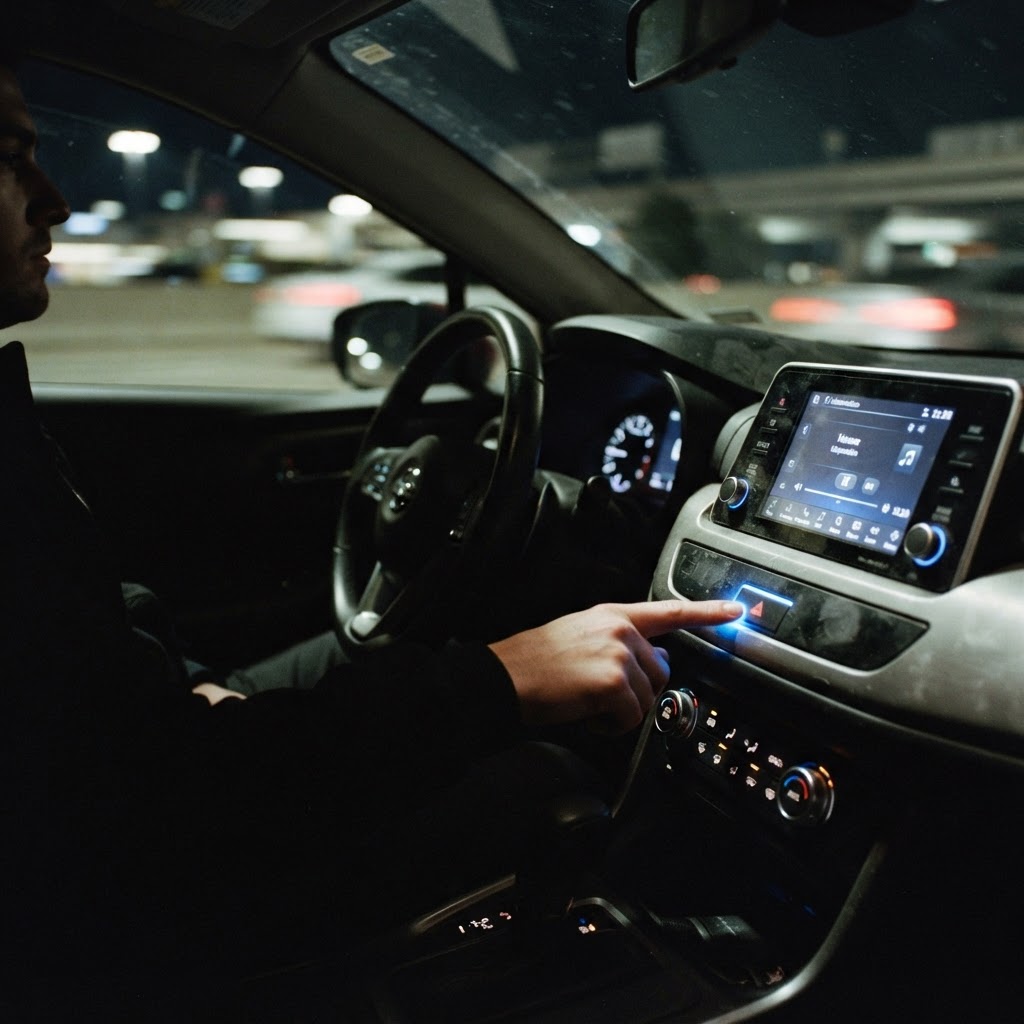
The Death of Static Buttons in Automotive UX
Static touchscreens in cars are failing drivers. Haptic Zones Technology offers a path forward by turning flat glass into tactile, responsive, and safer interface zones.

The Death of Static Buttons in Spatial Interface Architecture
Static buttons are failing. We explore how spatial interface architecture and Haptic Zones Technology are replacing fixed hardware with intelligent, dynamic touch zones that provide real tactile feedback.
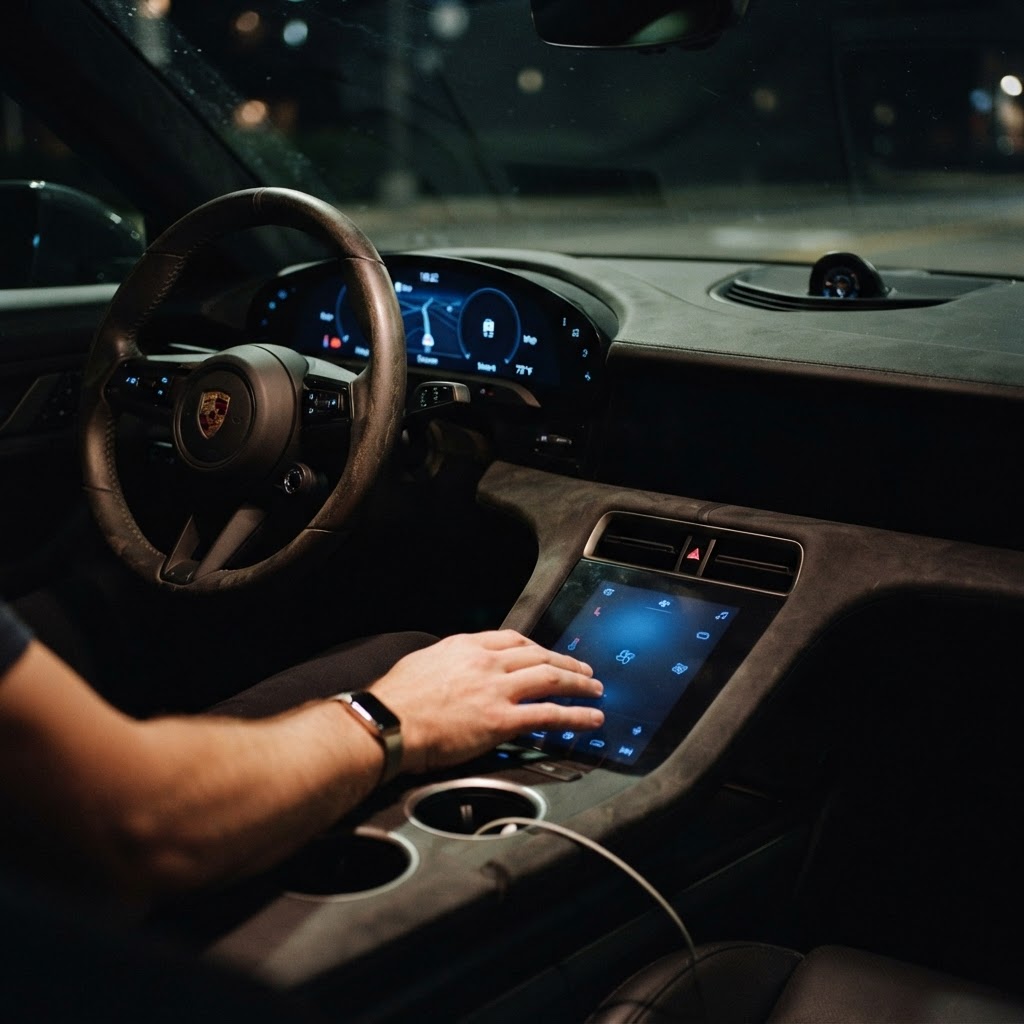
The Death of Static Buttons: How Spatial Interface Architecture Changes Everything
Static touchscreens are failing us. It is time to look at spatial interface architecture and dynamic zones to reclaim the human-machine relationship.
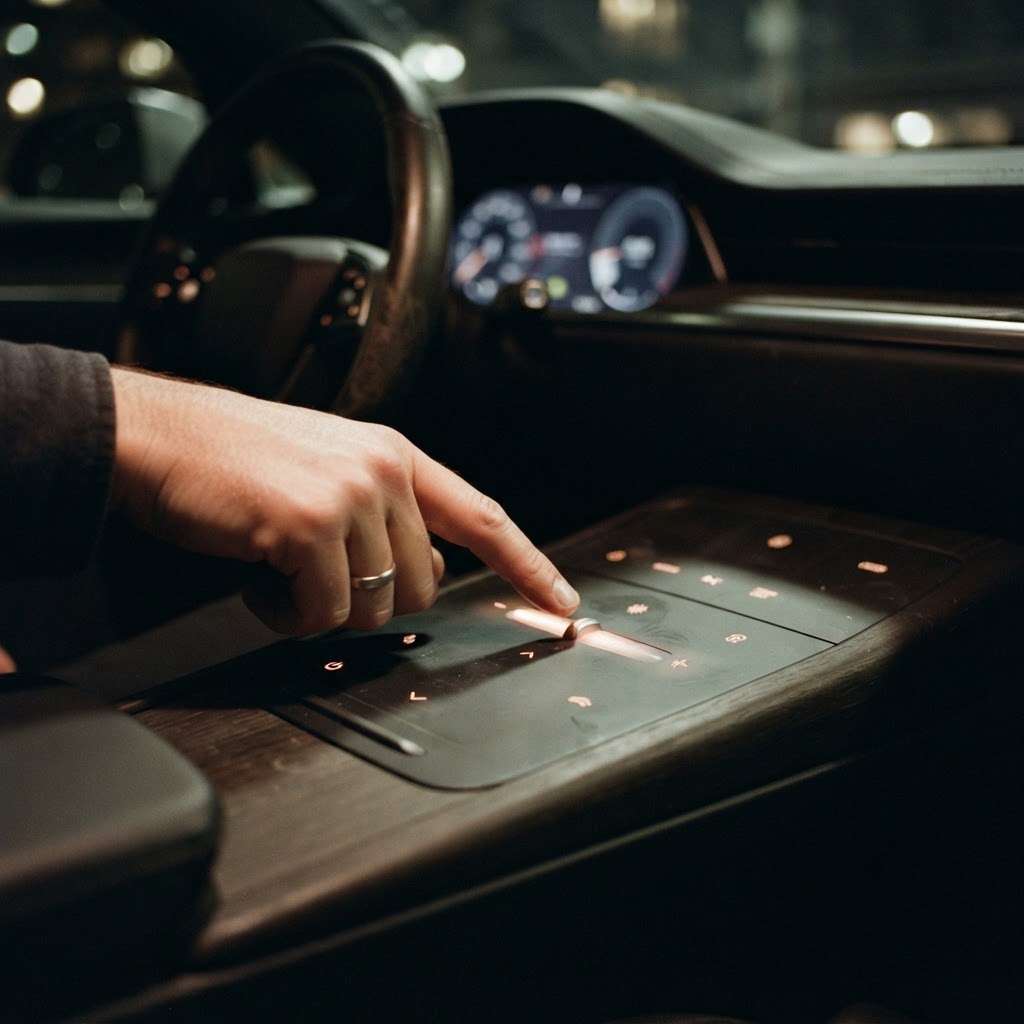
The Death of Static Buttons: Why Automotive UX is Breaking Physical Constraints
Physical buttons are obsolete, but current touchscreens are dangerous. Here is why the future of automotive UX depends on dynamic touch zones and haptic feedback.

The Death of Static Surfaces: Designing for Dynamic Touch Zones
Static touchscreens are failing us. By moving toward dynamic touch zones and spatial interface architecture, we can reclaim the tactile certainty lost in the transition to glass.
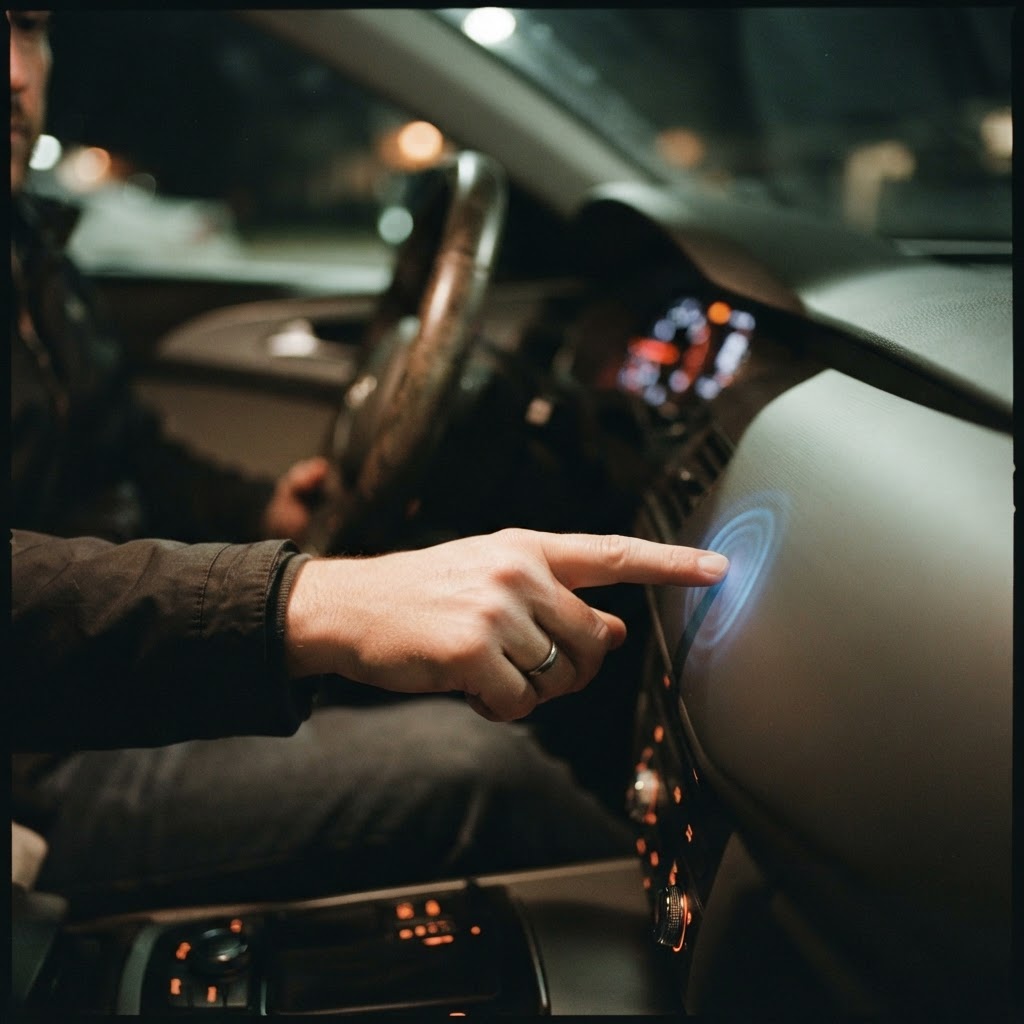
The Death of Static Buttons: Rethinking Automotive UX
Current automotive touchscreens are a safety risk. We explore how Haptic Zones Technology and dynamic touch zones are bringing tactile reliability back to the driver cockpit.

You cannot build a modern app without a foundation. This is that foundation and it's already part of your day.