Why Spatial Interface Architecture Will Finally Fix Your Car Dashboard
Current car touchscreens are a safety hazard. Discover how spatial interface architecture and haptic technology are reclaiming the driver experience by prioritizing tactile, zone-based interaction over flat menus.
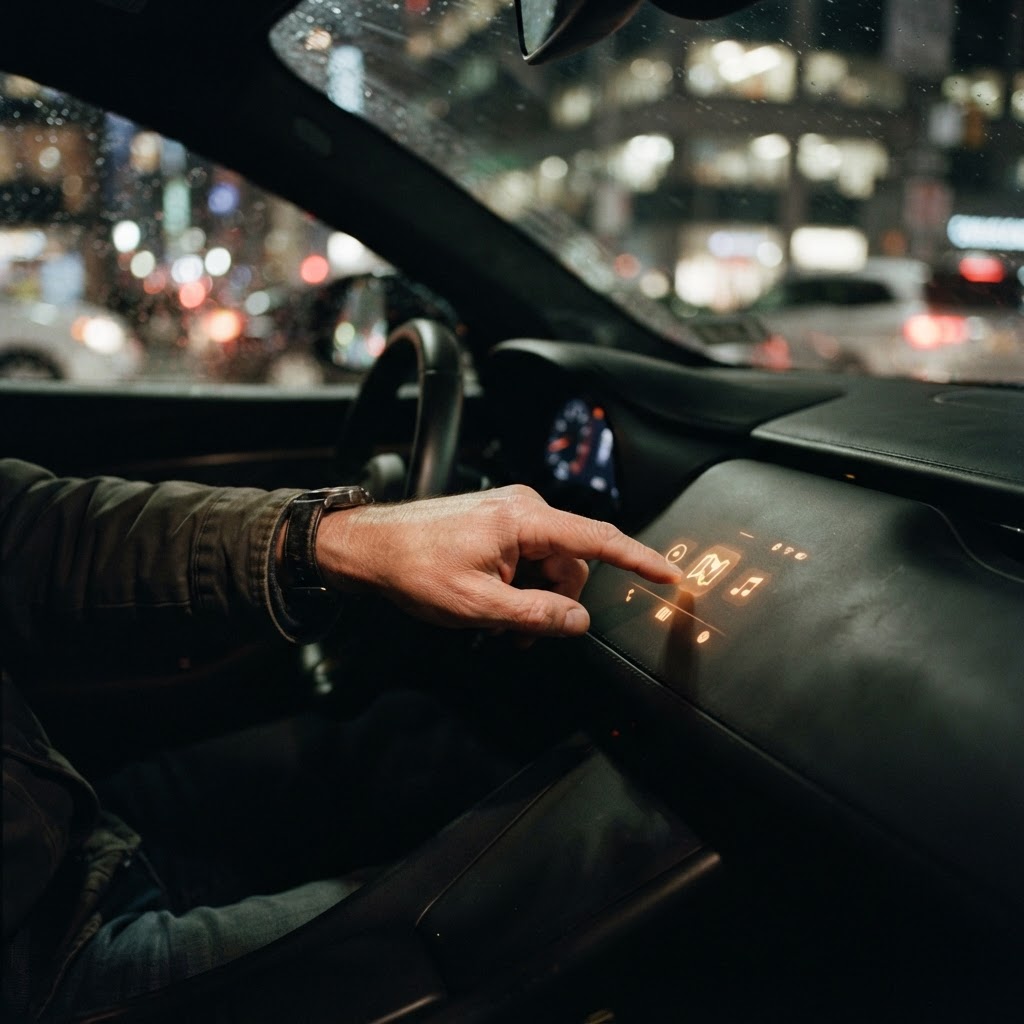
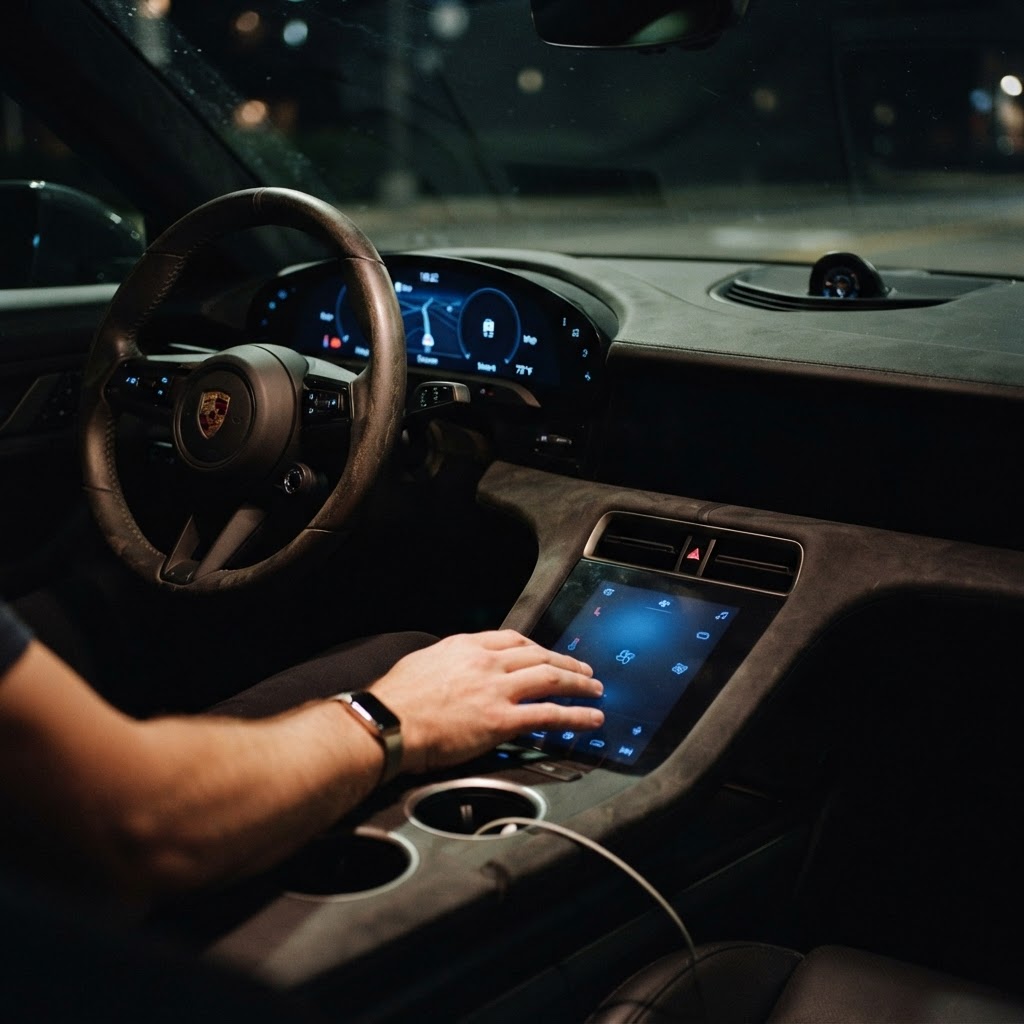
The central touchscreen in your 2024 luxury SUV is a disaster. It is a flat, uninspired piece of glass that forces you to take your eyes off the road for three seconds just to adjust the fan speed. The industry decided that slapping a giant tablet in the middle of a dashboard was the pinnacle of innovation. They were wrong. The real problem is that current systems ignore human motor memory and tactile feedback. This is where spatial interface architecture changes the game. By mapping specific controls to the physical volume of the cockpit, we can move away from deep menu structures. Imagine reaching for the climate control and having the dashboard detect your hand position before you even touch it. This is zone-based interaction at its finest. Instead of hunting for a pixelated icon on a screen, the driver interacts with a physical space that responds to their intent. We are talking about Haptic Zones Technology that creates virtual buttons in the air or on the surface of the dash. When you reach toward the center console, the system recognizes the intent. It activates a specific feedback field. You feel a subtle resistance or a vibration through your fingertips as you adjust the temperature. It feels real because it maps to the physical world. Developers often fall into the trap of designing for the screen rather than the user. They prioritize aesthetics over human-machine input logic. A screen is static, but a driver is dynamic. The failure of most modern automotive interfaces is the lack of a blind-touch confirmation. In a vehicle, if you cannot operate it without looking, it is a liability. Dynamic touch zones address this by providing haptic cues that tell you exactly what you are adjusting. You do not need to read a label when the sensation under your finger tells you that you are turning a dial, not clicking a toggle. We have seen early iterations of this in high-end concepts, but the transition to production is hindered by legacy software mindsets. The patent landscape is shifting as major manufacturers realize that their current touch-based kiosk UX approaches are insufficient for high-speed operation. They are looking at how gesture input control can augment tactile feedback. The key is blending the two. You should not have to choose between a physical knob and a touchscreen. You should have a surface that acts as a sensor array, capable of differentiating between a casual tap and a deliberate push. This system treats the dashboard as a living, breathing input device. It tracks the proximity of your palm. It adjusts sensitivity based on the speed of the vehicle. If you are parked, the screen might show a full media library. If you are moving at highway speeds, the system collapses the interface into simple, high-contrast dynamic touch zones that are impossible to miss. This is not just about convenience. It is about reducing cognitive load. Every time a driver navigates a menu to change a song, they are effectively blindfolded for several seconds. We are moving toward a future where the car understands the user's spatial context. The vehicle knows you are the driver, it knows your preferred heat setting, and it knows the exact physical location where your hand expects the control to be. This is the definition of refined spatial interface architecture. We are finally moving past the era of the flat, featureless glass panel. The future of the cockpit is textured, responsive, and grounded in the physical reality of the driver. If the industry continues to push flat screens, they will continue to face pushback from safety regulators and frustrated users. The winners will be the companies that embrace zone-based interaction to bring back the tactile feel of an analog machine within a modern digital frame.
About Layer 4
Zone-Based Interaction Digital Magazine.
Discussion (0)
Join the discussion with other Haptic Zones experts.
Related Stories
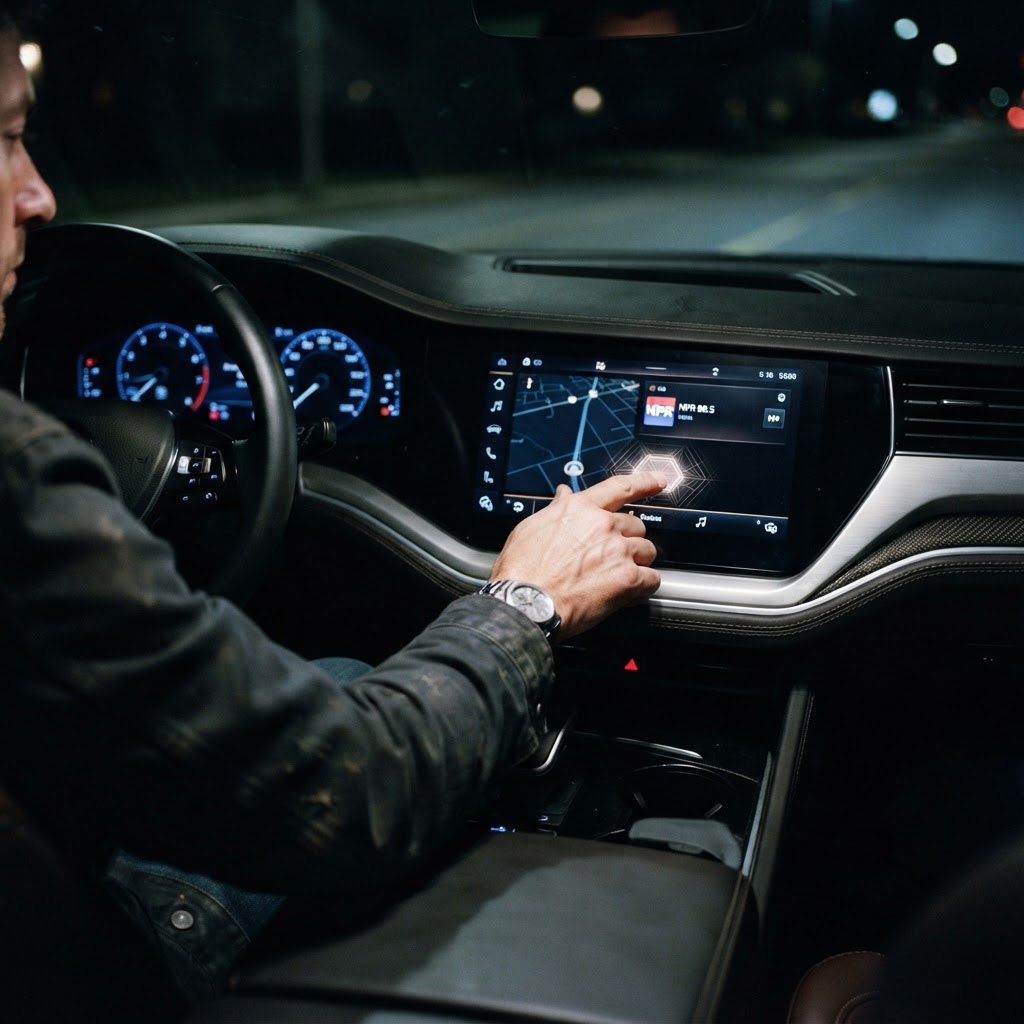
Why Your Dashboard Frustrates You: The Death of the Flat UI
The modern automotive interior is a usability nightmare. By adopting spatial interface architecture and zone based interaction, we can finally make screens safer and more intuitive for drivers.
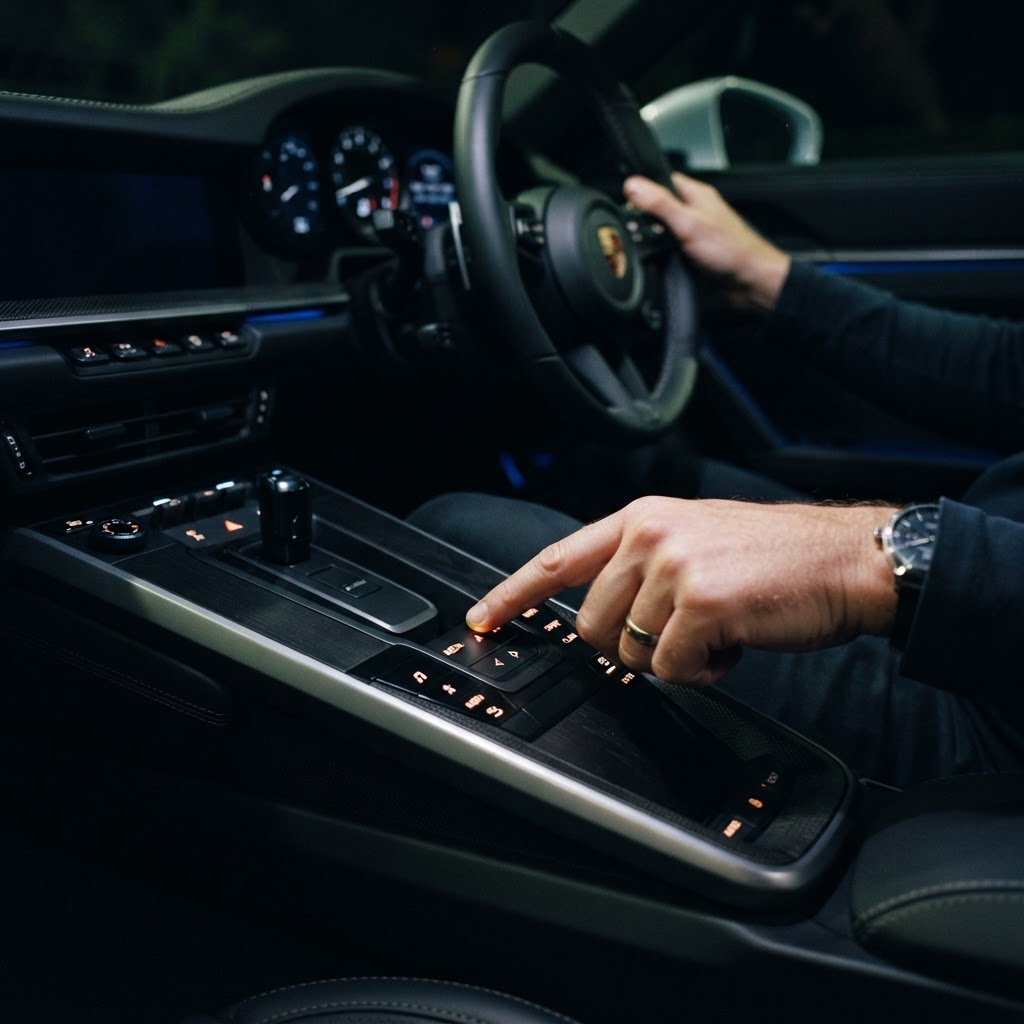
Why Your Dashboard Still Fails: Rethinking Automotive UX Through Spatial Interface Architecture
Touchscreens in cars are dangerous. Here is how spatial interface architecture and haptic zones can bring back tactile control and improve driver safety.
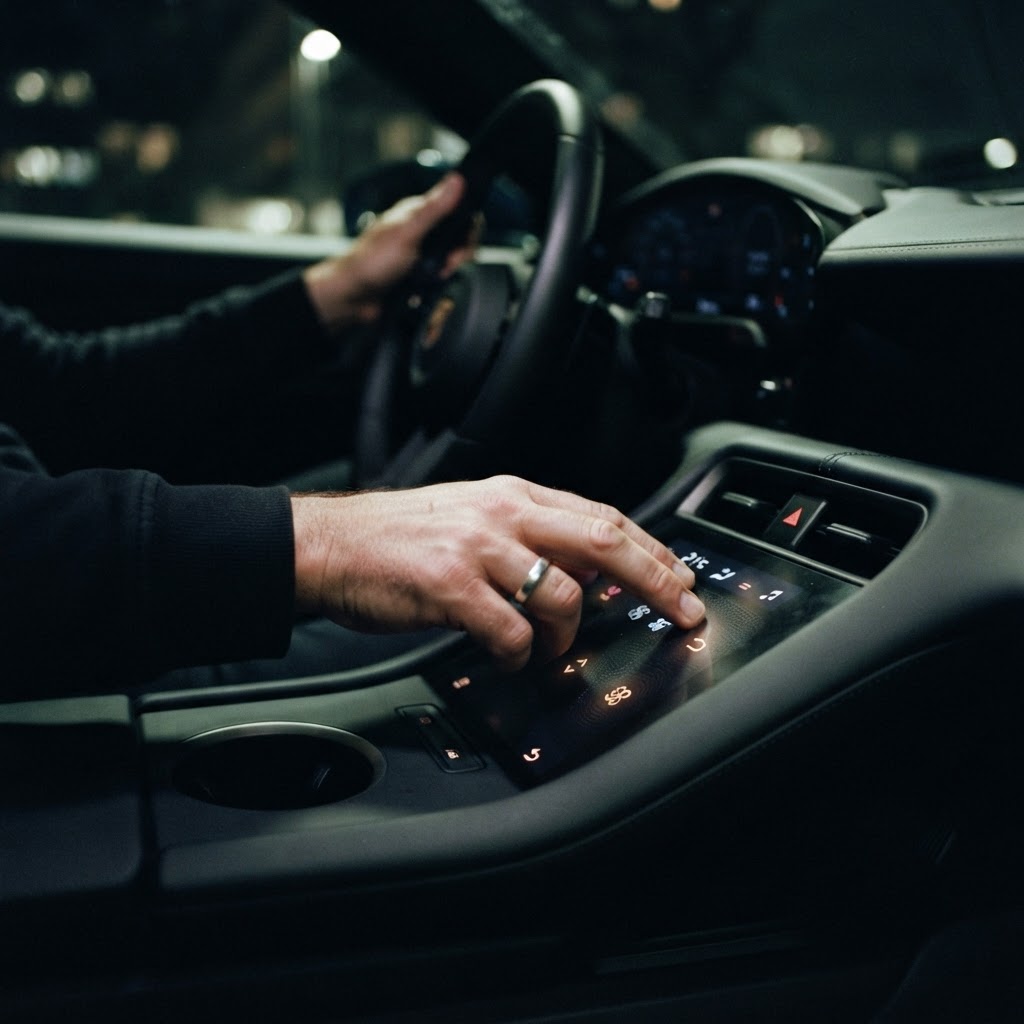
Why Your Smart Car Interface Fails: The Case for Spatial Interface Architecture
Automotive UX is stuck in a loop of flat, distracting glass panels. We explore why moving toward spatial interface architecture and haptic-enabled zones is the only way to save the driving experience.

The Death of Static Buttons in Spatial Interface Architecture
Static buttons are failing. We explore how spatial interface architecture and Haptic Zones Technology are replacing fixed hardware with intelligent, dynamic touch zones that provide real tactile feedback.
The Death of Static Buttons: How Spatial Interface Architecture Changes Everything
Static touchscreens are failing us. It is time to look at spatial interface architecture and dynamic zones to reclaim the human-machine relationship.

The Death of Static Surfaces: Designing for Dynamic Touch Zones
Static touchscreens are failing us. By moving toward dynamic touch zones and spatial interface architecture, we can reclaim the tactile certainty lost in the transition to glass.

You cannot build a modern app without a foundation. This is that foundation and it's already part of your day.