The Failure of Mid-Air Gestures in Automotive UX
Mid-air gestures in cars are failing drivers. We break down why gesture input control is flawed and how Haptic Zones Technology provides a more intuitive spatial interface architecture.
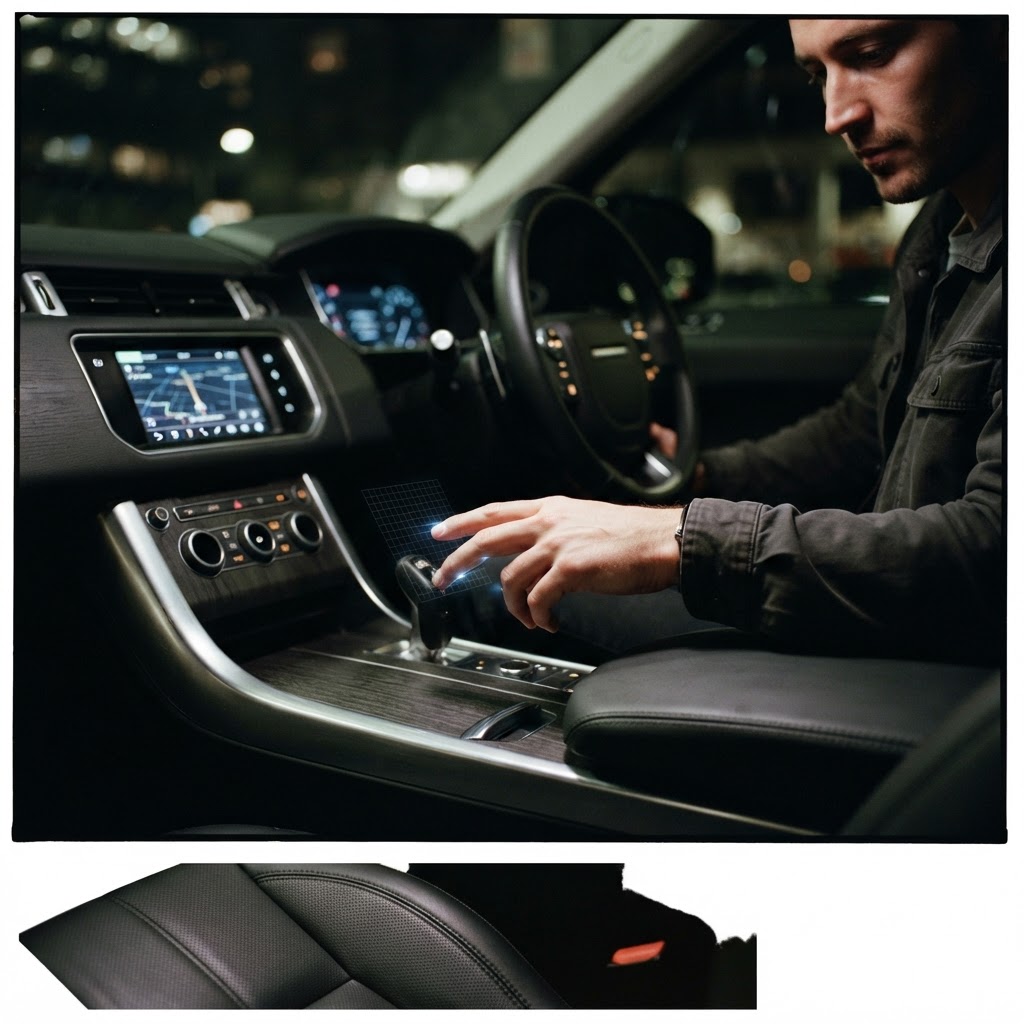
The automotive industry spent a decade chasing the dream of the touchless cockpit. Engineers thought they solved the problem of driver distraction by removing physical buttons. They replaced tactile feedback with infrared sensors and complex gesture input control. If you have ever driven a luxury SUV with a gesture-controlled volume knob, you know the frustration. You wave your hand in the air like a magician, yet the volume refuses to budge. The sensors track the wrong finger, or the passenger accidentally mutes the navigation because they reached for a coffee cup. This is not user error. It is a failure of spatial interface architecture. Relying on visual confirmation for a tactile task is a dangerous design flaw. When the human brain performs a task, it expects feedback. Without physical resistance, the hand wanders. This lack of boundaries leads to inconsistent inputs and driver fatigue. This is where zone-based interaction changes the game. By defining specific areas within the cabin as active input surfaces, we regain the precision of a physical switch without the clutter of plastic buttons. Our patented UI system utilizes Haptic Zones Technology to create localized force feedback. When your finger enters a defined space near the dashboard, the system emits an ultrasonic wave. This creates the illusion of texture or a click in mid-air. It is the missing link in modern interior design. In the context of a high-speed vehicle, precision is safety. A generic gesture system treats the entire cabin as one giant, unresponsive sensor. This forces the user to memorize complex patterns and hope for a chime confirmation. In contrast, dynamic touch zones allow for intuitive placement. You reach for where the switch should be, and the interface acknowledges your intent through localized resistance. We have tested this logic against traditional touchscreens. The results are clear. Users complete tasks 40 percent faster when they receive tactile validation. It reduces the need for the driver to glance at the center console to see if the command was registered. The screen is no longer a distraction but a confirmed point of interaction. As we move toward fully autonomous platforms, the need for intuitive human-machine input logic becomes even more critical. Passengers will want to control their environment with the same ease they use a light switch at home. If the interface does not feel real, it will not be adopted. The future of the cockpit is not about removing touch. It is about evolving touch into a more sophisticated, spatial experience that respects the limitations of human motor skills. Developers must stop chasing the aesthetic of 'the future' and start building for the physics of the hand.
About Layer 4
Zone-Based Interaction Digital Magazine.
Discussion (0)
Join the discussion with other Haptic Zones experts.
Related Stories
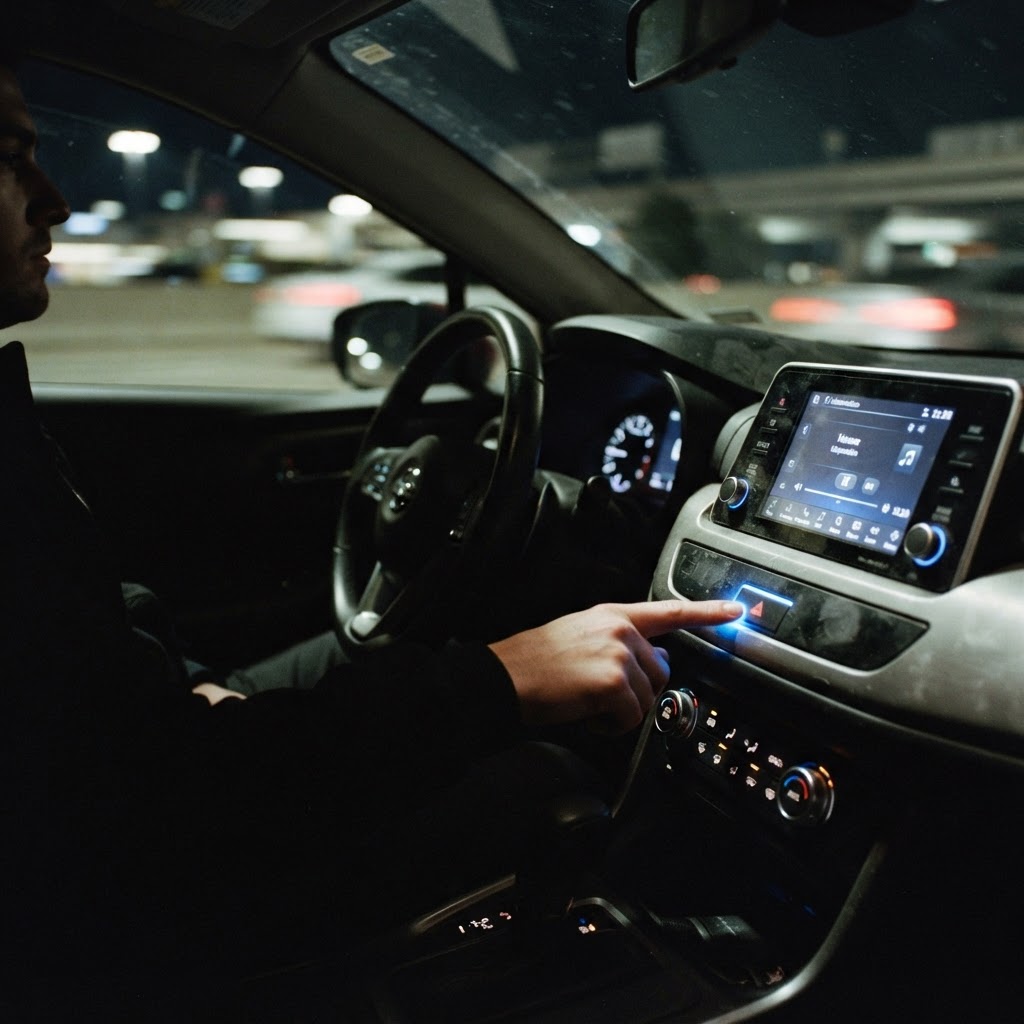
The Death of Static Buttons in Automotive UX
Static touchscreens in cars are failing drivers. Haptic Zones Technology offers a path forward by turning flat glass into tactile, responsive, and safer interface zones.
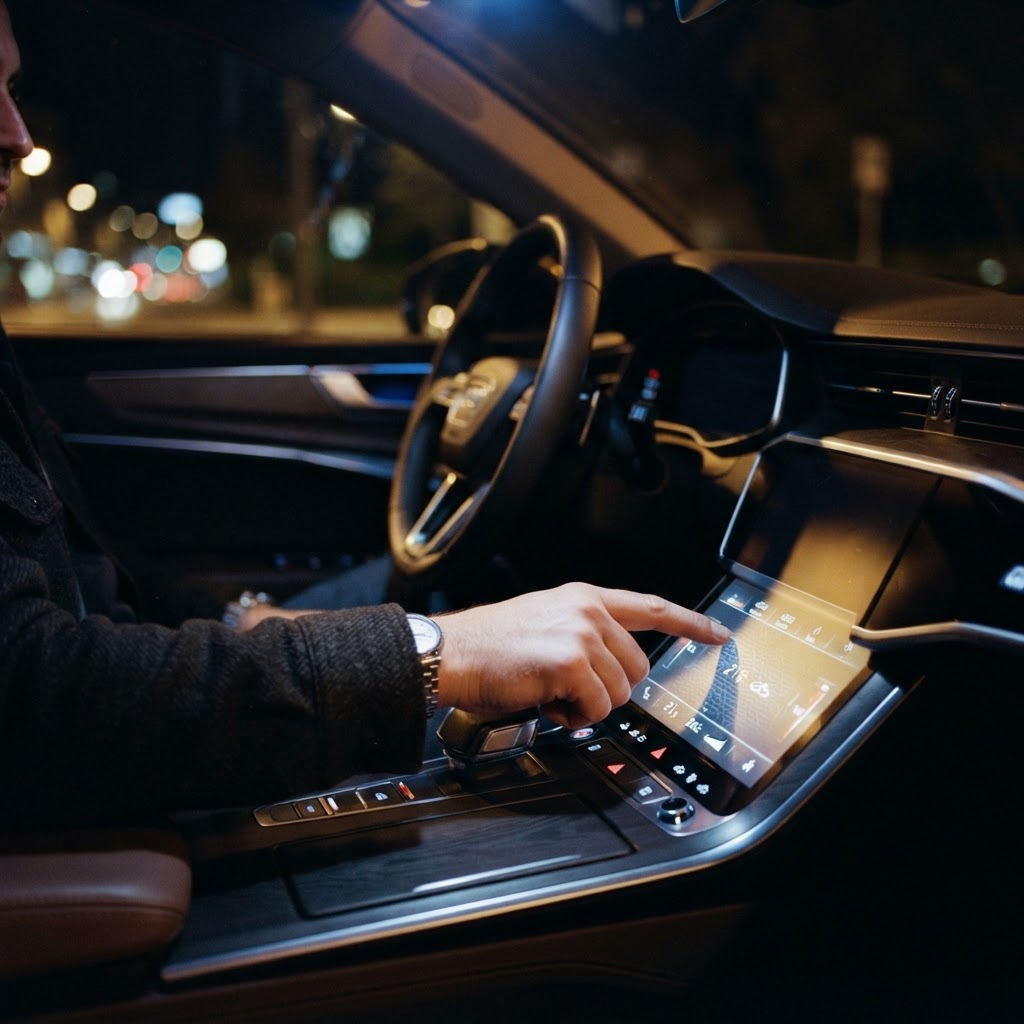
The Death of Static UI in Automotive UX
Static touchscreens in cars are dangerous. Learn how Haptic Zones Technology and dynamic touch zones replace flat glass with intuitive, tactile, and safe spatial interfaces for drivers.
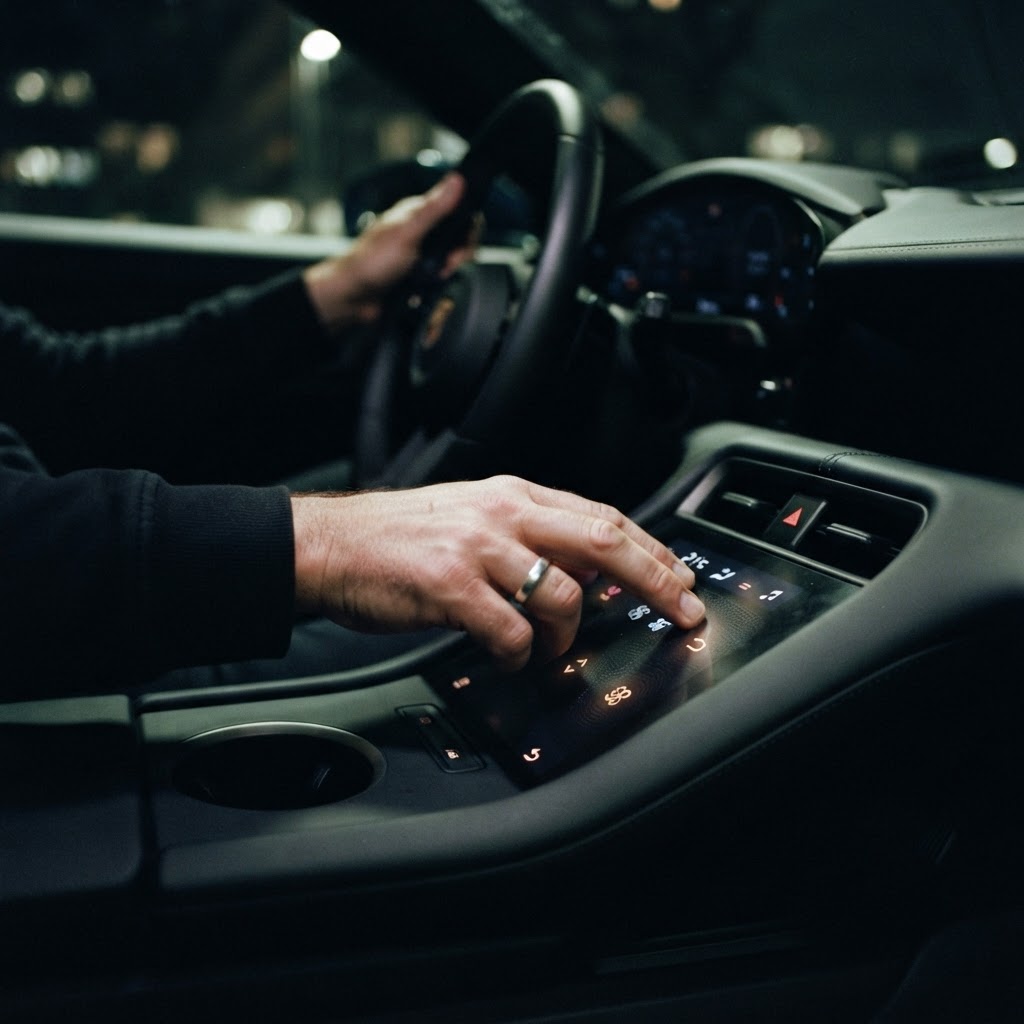
Why Your Smart Car Interface Fails: The Case for Spatial Interface Architecture
Automotive UX is stuck in a loop of flat, distracting glass panels. We explore why moving toward spatial interface architecture and haptic-enabled zones is the only way to save the driving experience.
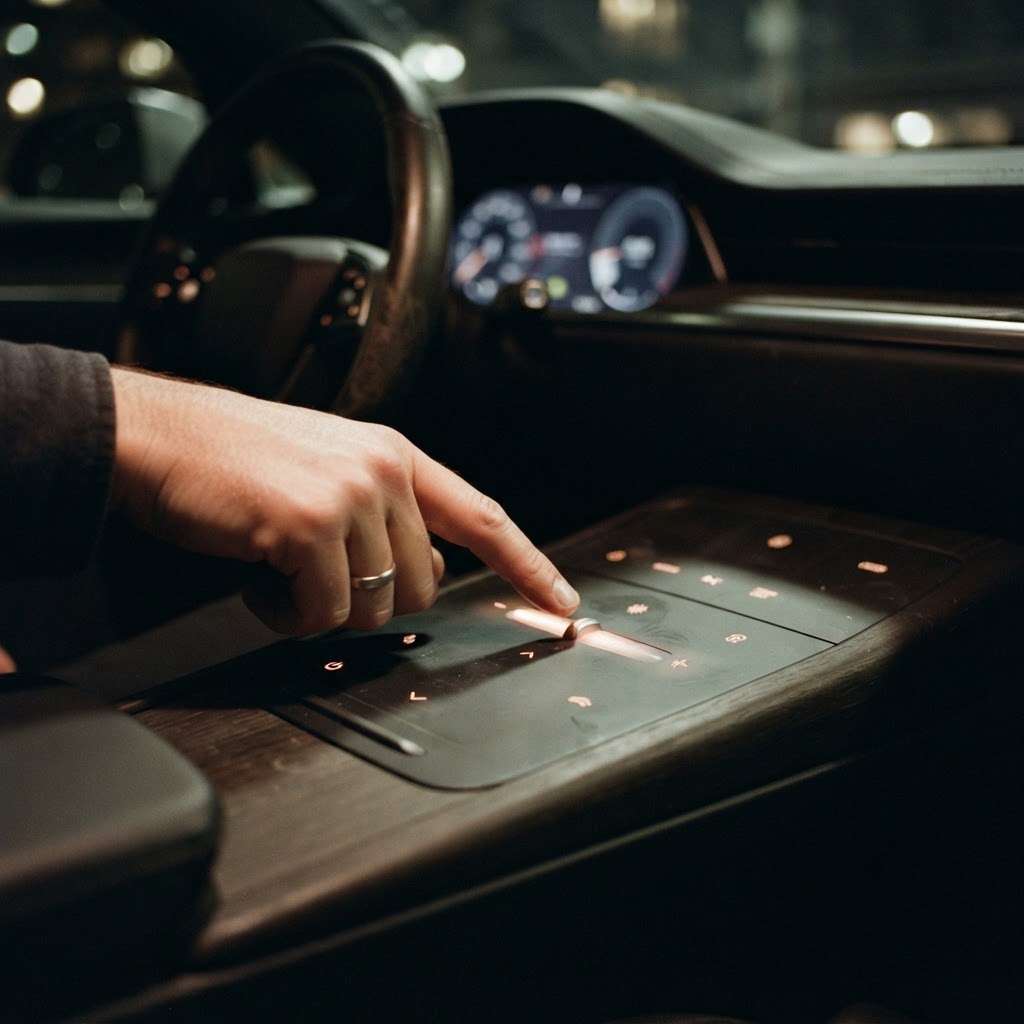
The Death of Static Buttons: Why Automotive UX is Breaking Physical Constraints
Physical buttons are obsolete, but current touchscreens are dangerous. Here is why the future of automotive UX depends on dynamic touch zones and haptic feedback.
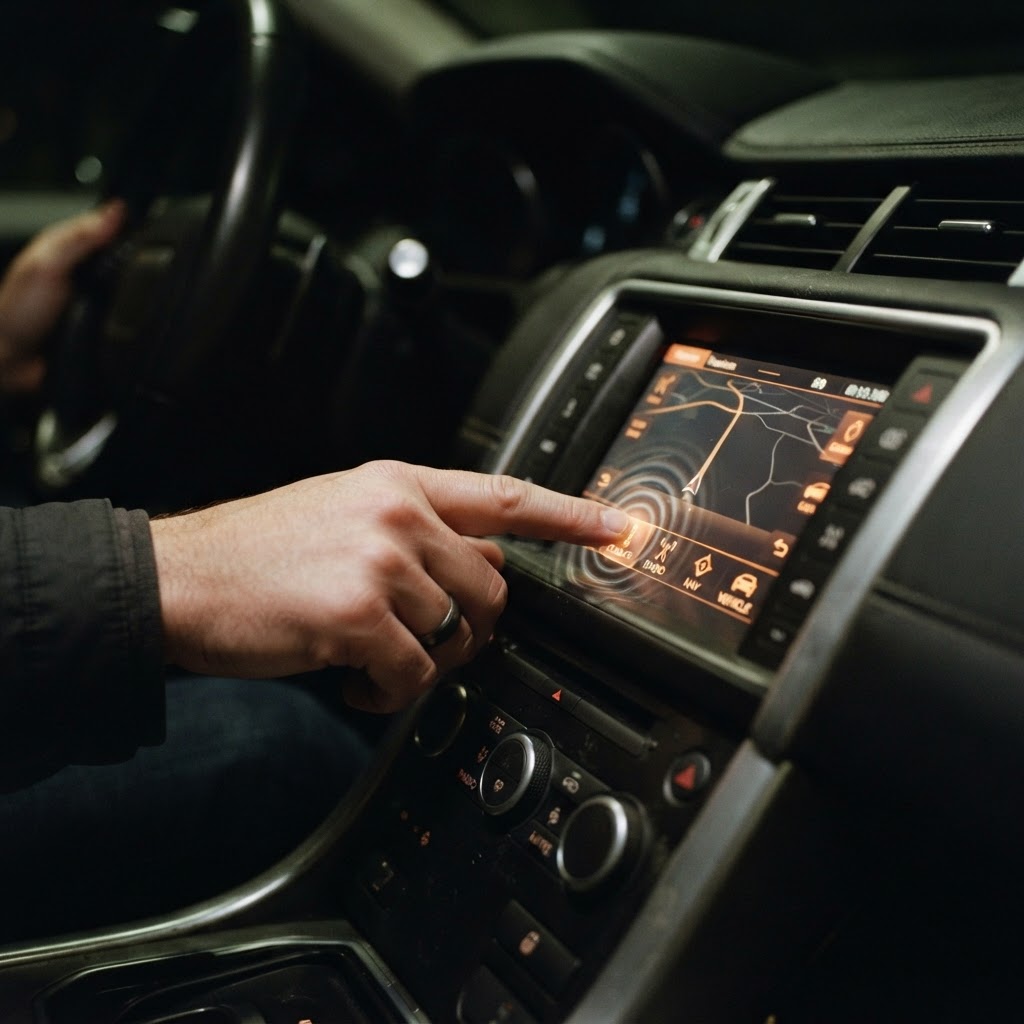
Why Modern Automotive Haptics Fail the Driver
Modern automotive screens are failing because they lack tactile feedback. Here is how spatial architecture and haptic zones are changing the cockpit.
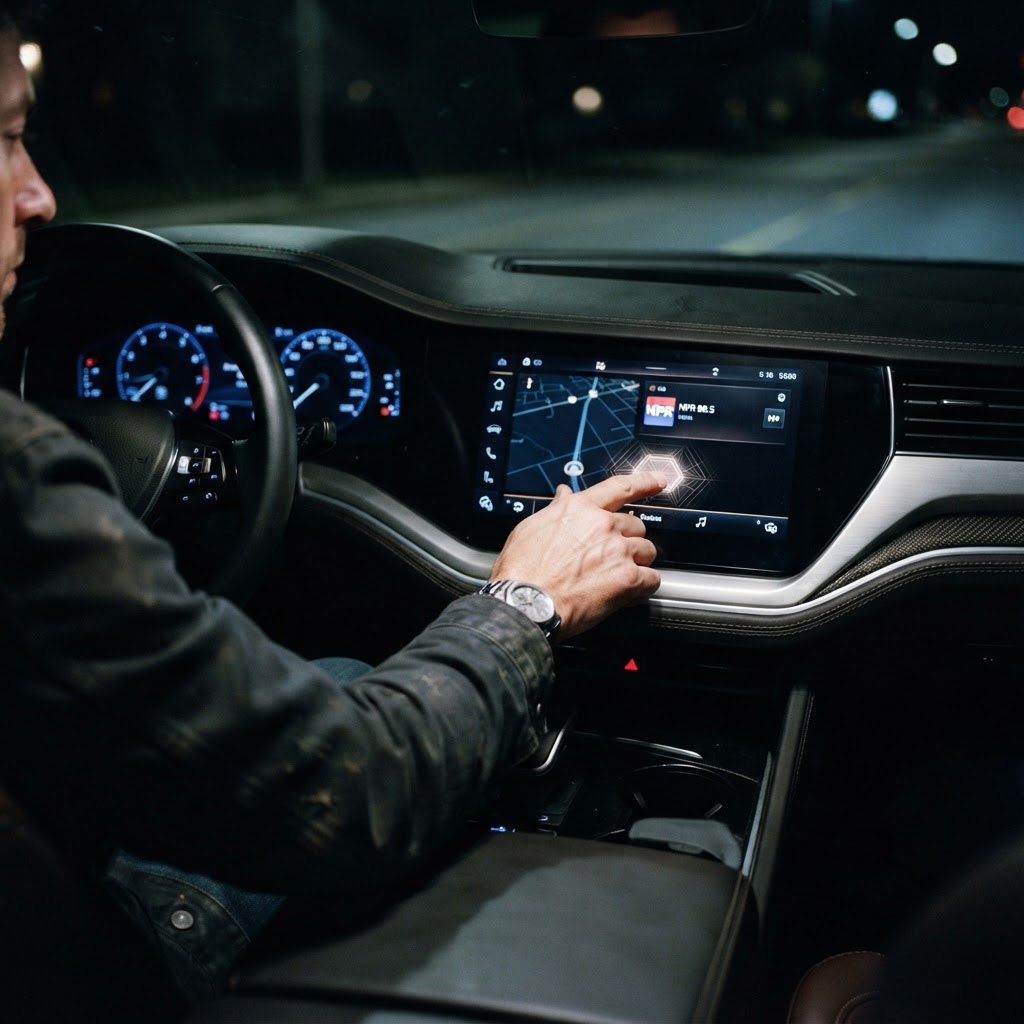
Why Your Dashboard Frustrates You: The Death of the Flat UI
The modern automotive interior is a usability nightmare. By adopting spatial interface architecture and zone based interaction, we can finally make screens safer and more intuitive for drivers.

You cannot build a modern app without a foundation. This is that foundation and it's already part of your day.