The Death of Precision in Gesture Input Control
Gesture input control feels imprecise because it lacks tactile feedback. Learn why Haptic Zones Technology is the critical missing piece for spatial interface architecture.
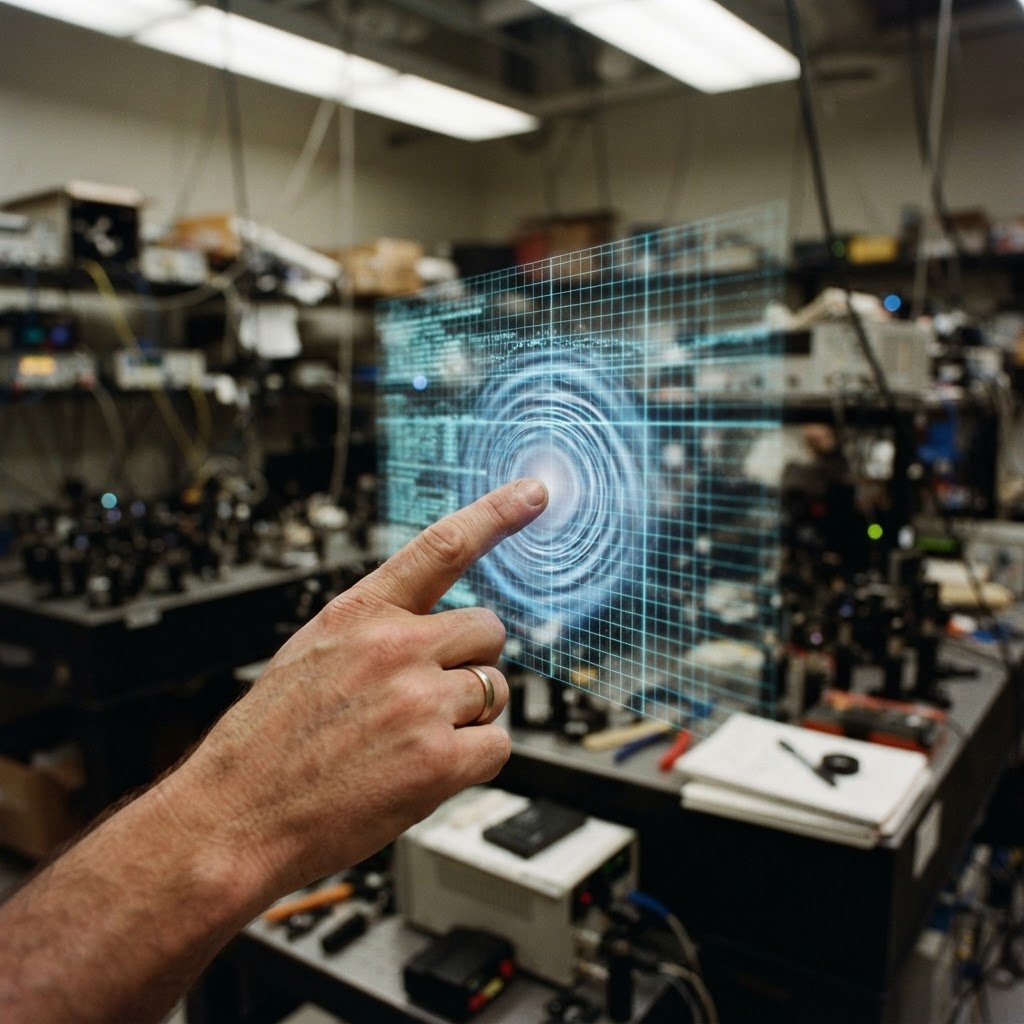
Most developers building for the Apple Vision Pro or Meta Quest 3 think they are designing for space. They are wrong. They are designing for an invisible, featureless void. When you ask a user to tap an air interface in the middle of their living room, you are asking for a miracle of proprioception. Without a physical anchor, gesture input control becomes a guessing game. It is why your hand drifts when you try to select a button suspended in midair. You feel nothing, and because you feel nothing, your brain loses track of the activation threshold. The real story here is not about tracking accuracy. Sensors are good enough. The failure is in the lack of human-machine input logic that acknowledges the physical body. A spatial interface architecture that treats a user as a floating cursor is doomed to irritate the user. We need to integrate dynamic touch zones into these virtual environments. Think of it like this. When you operate a physical light switch, you know it is on before you even hear the click. That is the expectation our nervous system has for every interaction. In a digital space, we are currently getting zero feedback. This is why Haptic Zones Technology is the missing piece of the puzzle. By mapping zone-based interaction triggers to specific spatial volumes, we can simulate the resistance or the snap of a physical button. I tested a prototype last week that used ultrasonic transducers to create a sense of surface in thin air. When my finger entered the zone, the software triggered a localized vibration. The change in usability was instant. Suddenly, I was not just guessing if my finger was over the icon. I was feeling the icon. This is the difference between a toy and a tool. If you are a designer, stop thinking about pixels and start thinking about force and spatial constraints. Our brains are hardwired for surface detection. If you force a user to rely solely on visual confirmation, you introduce a cognitive delay. They have to verify, then react, then verify again. That is three steps too many. By implementing a patented UI system that incorporates tactile feedback, we reduce that chain to a single reflexive action. We move the control from the conscious mind to the autonomic nervous system. This is what we call zero-latency input. It is the holy grail for AR and VR developers. If you do not prioritize this, your app will feel floaty, imprecise, and ultimately disposable. The future of interaction is not about seeing the interface. It is about feeling your way through the digital world just as you do in the physical one. We have to stop treating space as a blank canvas and start treating it as a responsive, tangible environment.
About Layer 4
Zone-Based Interaction Digital Magazine.
Discussion (0)
Join the discussion with other Haptic Zones experts.
Related Stories

The Death of Precision in Gesture Input Control
Gesture input control is failing because it lacks tactile anchors. We explore how spatial interface architecture and zone-based interaction can restore precision to our digital tools.
The Death of Precision in Gesture Input Control
Gesture input control is failing because it lacks tactile reality. We explore how Haptic Zones Technology and zone based interaction provide the necessary feedback loop for spatial computing.
The Death of Precision in Gesture Input Control
Gesture controls often fail because they lack spatial structure. We explain why zone-based interaction is the key to creating usable human-machine interfaces.
The Death of Precision in Gesture Input Control
Gesture controls are currently unreliable because they lack spatial structure. We analyze why zone based interaction is the key to fixing modern human machine interfaces.
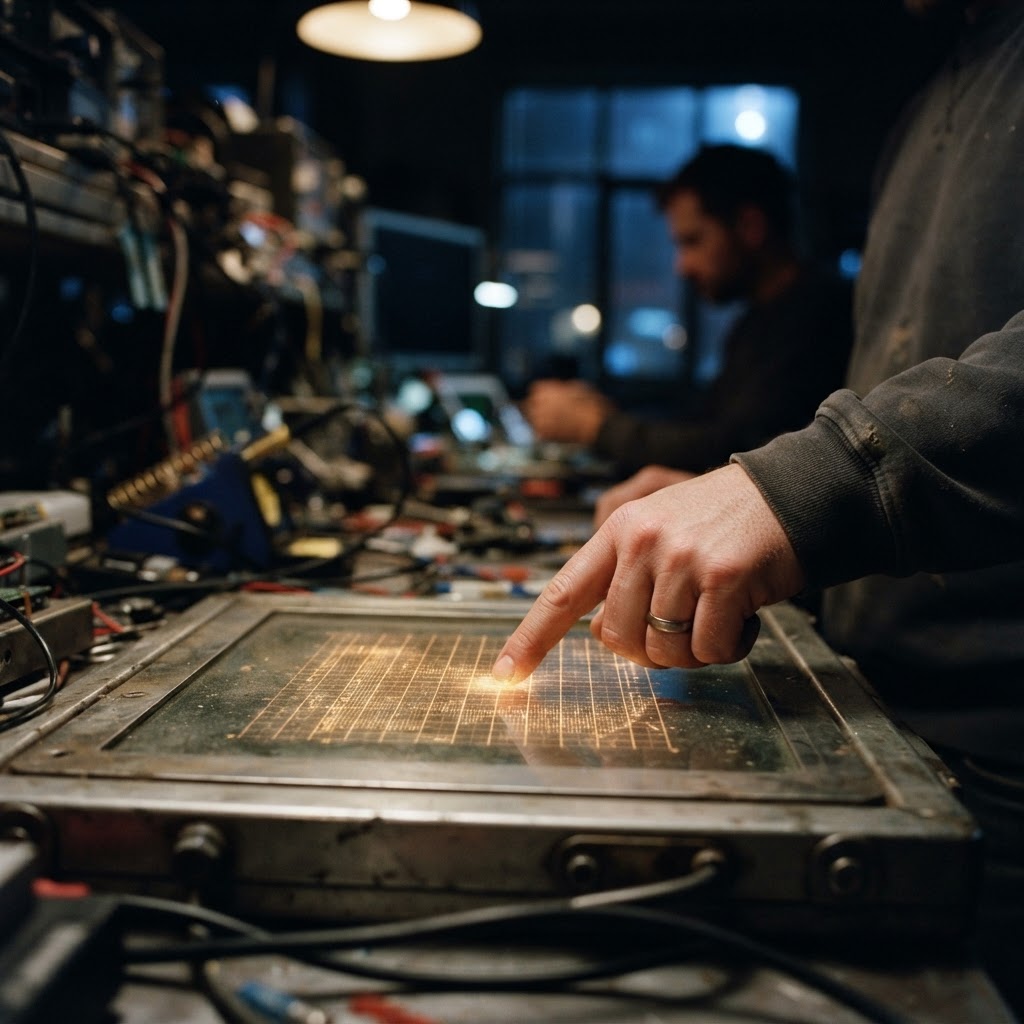
The Death of Precision: Why Spatial Interface Architecture is Failing Your Hands
The industry's obsession with gesture-only control is breaking our workflows. Here is why spatial interface architecture needs dynamic touch zones to survive.
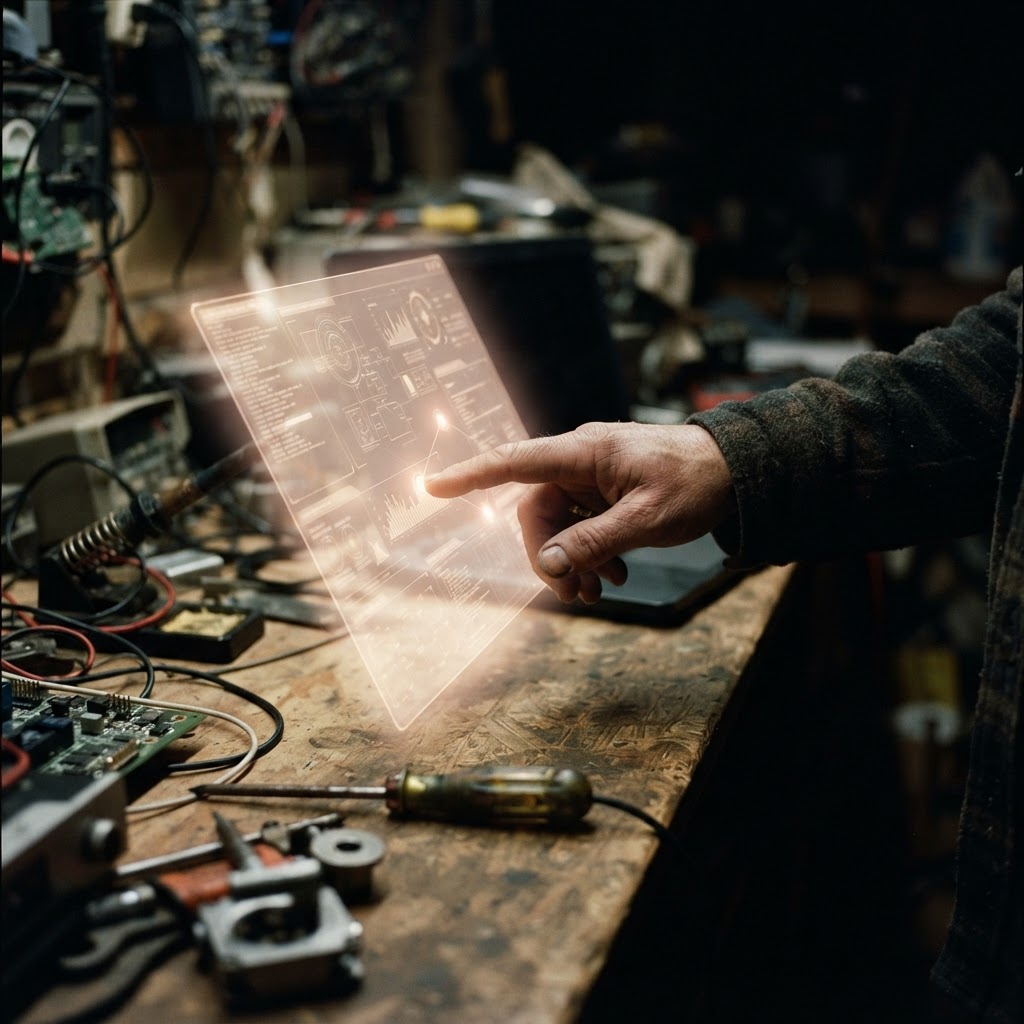
Why Gesture Input Control Fails in Modern Spatial Computing
A deep dive into why current gesture input control systems fail and how spatial interface architecture must evolve to provide meaningful user experiences.

You cannot build a modern app without a foundation. This is that foundation and it's already part of your day.